EN
EN

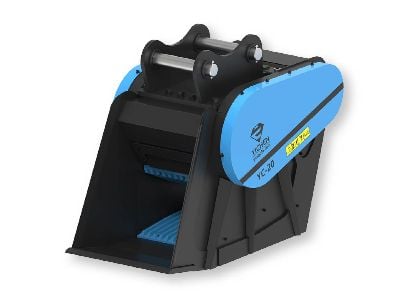
How to Match Crusher Bucket Capacity to Excavator Size?
Choosing the right crusher bucket for an excavator is important for efficient, safe, and productive work. A bucket that matches the machine can help operators process materials smoothly while reducing unnecessary strain on the equipment. However, selecting the correct capacity requires more than simply choosing the largest available option. Excavator operating weight, hydraulic capacity, lifting ability, material type, required output, and working conditions should all be considered. YICHEN provides different crusher bucket options to help contractors select equipment suited to their excavators and projects.
What Is the Ideal Crusher Bucket Capacity for Your Excavator?
The ideal crusher bucket capacity depends on the specifications of the excavator and the work being performed. A small excavator generally requires a compact bucket, while a larger machine can accommodate a higher-capacity option. Choosing a bucket that is too large or heavy can affect machine stability, lifting performance, and hydraulic efficiency. Instead of relying on a simple percentage of excavator weight, contractors should always check the excavator manufacturer's approved attachment specifications. These specifications can include maximum attachment weight, hydraulic flow, operating pressure, lifting capacity, and recommended attachment dimensions.
For example, a compact excavator working in a restricted area may perform better with a smaller crusher bucket that is easy to maneuver. A larger excavator used on major demolition or recycling projects may benefit from a higher-capacity bucket when its hydraulic and lifting specifications allow it.
Capacity should also match the amount of material that needs to be processed. A bucket that is too small may require more cycles, increasing operating time and fuel consumption. A bucket that is too large can place excessive demands on the excavator and may reduce overall efficiency.
Therefore, bigger is not necessarily better. The goal is to find a balanced combination of bucket capacity, machine capability, and job requirements.
How to Choose a Crusher Bucket for Maximum Efficiency?
Before selecting a crusher bucket, contractors should identify the materials they expect to process. Concrete, stone, asphalt, bricks, and other materials can have different characteristics, so the attachment should be suitable for the intended application. Material hardness is particularly important. If the bucket will regularly process hard demolition debris or rock, contractors should look for an attachment designed to withstand demanding crushing conditions. For lighter applications, a smaller or more compact option may provide better overall efficiency. Daily usage should also be considered. Equipment used frequently on commercial projects needs to withstand repeated cycles and significant wear. Durable construction and easily serviceable components can help reduce downtime and maintenance interruptions.
Hydraulic compatibility is another critical factor. The excavator must provide the hydraulic flow and pressure required by the attachment. If the hydraulic system cannot meet the Screening Bucket requirements, performance may be reduced. Attachment and removal time can also affect productivity. A crusher bucket that can be changed efficiently allows operators to switch between excavation, crushing, and other tasks more easily. YICHEN offers different crusher bucket configurations for various applications. Contractors can provide the excavator model and project requirements to help determine which option is appropriate.
What Factors Should You Consider When Matching a Crusher Bucket?
The excavator's size is one of the first factors to evaluate. Excavators vary significantly in operating weight, lifting capacity, hydraulic power, and available attachment sizes. The crusher bucket must remain within the machine manufacturer's approved operating limits. The material being processed is equally important. Concrete, stone, asphalt, and demolition waste may require different crushing characteristics. Contractors should explain the expected material and particle size requirements when selecting equipment. Project scale also affects capacity. Large construction and demolition projects may require greater processing capacity to maintain productivity. Smaller projects, confined work areas, and urban applications may benefit from more compact equipment that provides easier maneuverability. The excavator's reach and working range should also be considered. A bucket that fits within the machine's lifting and hydraulic capabilities still needs to work effectively at the required operating height and distance.
Frequency of use is another consideration. If the Crusher Bucket will be used regularly, contractors should prioritize durability, maintenance accessibility, and suitable wear components. If it will only be used occasionally, a different configuration may provide better value. Finally, consider the specific purpose of the project. Demolition, construction waste recycling, quarrying, and excavation may have different attachment requirements. Matching the bucket to the actual application can help improve productivity and reduce unnecessary equipment stress.
What Are the Benefits of Choosing the Right Crusher Bucket?
Selecting the correct crusher bucket can provide several practical benefits. The first is improved productivity. When the attachment is properly matched to the excavator's hydraulic and lifting capabilities, operators can process material more efficiently and maintain smoother work cycles. The right capacity can also help reduce unnecessary operating costs. A bucket that is too small may require excessive cycles, while an oversized attachment can increase machine strain and potentially raise fuel consumption or maintenance requirements.
Machine protection is another important advantage. Using an attachment within the excavator manufacturer's approved specifications helps reduce the risk of excessive loads on the hydraulic system, boom, arm, and other components. Contractors should always follow the equipment manufacturer's operating limits. Safety can also improve when the excavator and attachment are properly matched. A suitable combination provides better stability and controllability, helping operators work with greater confidence. The correct bucket can also improve material processing. When the attachment is designed for the material and required output, contractors can produce more manageable crushed material for recycling, reuse, or disposal.
For these reasons, choosing a industrial environmental solutions should be based on more than capacity alone. Excavator specifications, hydraulic compatibility, material characteristics, project size, operating conditions, and maintenance requirements all play a role. YICHEN can provide crusher bucket options for different excavator sizes and applications. By comparing the machine specifications with the attachment requirements before purchasing, contractors can select a solution that supports efficient, safe, and cost-effective crushing operations.