EN
EN

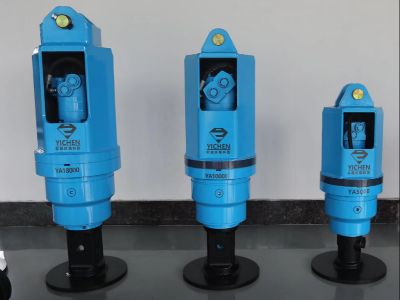
Soil is an important part of construction and drilling. It affects how machines work, especially when using excavators with augers. Augers are tools used to drill into the ground, and different soils require different types of augers. Knowing how soil conditions change the choice of auger can help make drilling more efficient. At YICHEN, we understand that selecting the right Excavator Auger is key to getting the job done right without wasting time or resources.
How Soil Composition Impacts Drilling Efficiency in Excavator Operations?
When drilling with an excavator, the type of soil can really change how fast and how well you can dig. Soil can be clay, sand, gravel, or a mix of these. Each type has its own challenges. For example, clay is sticky and can slow down drilling. If you use a regular auger in clay, it might get stuck. This can waste a lot of time! On the other hand, sandy soil is easier to drill through but can collapse if not handled correctly. Here, you might need a different kind of auger that can handle that loose soil.
Let’s say you are drilling in a rocky area. In this case, you will need a strong auger that can cut through hard surfaces. Using a weak auger in rocky soil can lead to breakage. It’s not just about the auger itself; it’s also about matching the auger size to the soil conditions. A bigger auger might be needed for loose soil, while a smaller, sharper one might work better in dense materials.
It’s also important to think about moisture. Wet soil can change the weight and consistency of the ground. If the soil is too wet, using the wrong auger can lead to problems like getting stuck or not drilling straight. The right auger can help you avoid these issues and keep your drilling project on track. So, understanding soil composition is not just smart; it’s essential for efficiency and success in drilling operations as a industrial environmental solutions.
Where to Find the Best Excavator Augers for Different Soil Types?
Finding the right auger is crucial, and there are many places to look. YICHEN offers a variety of environmental technology like augers designed for different soil conditions. You can start by visiting our website to see what we have available. Each auger is suited for specific types of soil, whether it’s clay, gravel, or mixed conditions.
Sometimes, local equipment stores might have the augers you need, but they may not have the right type for your specific job. It's always good to ask questions. You can tell them about the soil you are working with, and they can help you find the best tool. Also, consider reaching out to construction professionals or local contractors. They often know what works best in your area and can point you to the right place to buy.
Another option is online forums and communities. Many people share their experiences and recommendations. You can learn from others who have faced similar challenges. Remember to read reviews and feedback about the augers you are considering. This will help you make a more informed choice.
In the end, getting the right auger is about understanding your soil, knowing where to shop, and being open to advice. YICHEN is here to help you find the best solution for your drilling needs. We believe that with the right tools, every project can be a success.
What Are the Common Soil Conditions That Affect Auger Performance?
Soil is not just dirt; it comes in different types, and these types can change how well an excavator auger works. When we talk about soil conditions, we usually mean how hard or soft the soil is, how much clay or sand is in it, and if it has any rocks. Let’s look at some common soil conditions. First, there is sandy soil. This soil is usually loose and easy to dig. It allows the auger to move quickly and smoothly. However, sandy soil can be tricky because it might not hold its shape well. This can cause the holes made by the auger to collapse.
Next, we have clay soil. Clay is very sticky and can be tough to drill through. When the auger goes into clay, it can get stuck or have a hard time getting through. This can slow down the drilling process. Then, there is rocky soil. This type of soil has many stones and boulders. When an auger hits a rock, it can break or get damaged. So, it's very important to choose the right auger for rocky soil. At YICHEN, we understand that choosing the right auger for different soil types is key to getting the job done quickly and safely.
Another common type of soil is loamy soil, which is a mix of sand, clay, and silt. This soil is usually easier to work with because it holds together well and has good drainage. Drilling in loamy soil can be efficient because the auger can move through it without too many problems. Knowing the different soil conditions helps workers pick the best auger for their job. This is important because the right choice can save time, money, and effort.
What Factors Influence Drilling Efficiency in Excavator Augers?
Drilling efficiency is how fast and effectively an auger can dig into the ground. Several factors can influence this efficiency. One important factor is the type of auger blade. There are different shapes and sizes of blades, and each one is made for specific jobs. For example, a wider blade can dig larger holes but may be slower in hard soil. A narrower blade might work faster in softer soil. At YICHEN, we offer a variety of auger blades to match different tasks and soil conditions.
Another factor is the speed of the excavator. If the excavator is moving too fast, it might not drill effectively. This can cause the auger to skip over the soil instead of digging in deep. On the other hand, if the excavator is too slow, it may not be efficient either. Finding the right speed is very important. The operator's skill also plays a big role. If the person using the excavator knows the best way to handle it, they can work faster and make fewer mistakes.
The weight of the excavator is another factor. Heavier machines can push down harder, helping the auger dig deeper. However, if the machine is too heavy for the soil, it can cause problems, like damaging the ground or getting stuck. Finally, proper maintenance of the auger is crucial. If the auger is dull or damaged, it won’t work well, no matter what conditions it is in. Regular checks and repairs can help keep the auger working at its best. YICHEN provides quality augers and maintenance tips to help users get the most out of their equipment.
How Soil Moisture Levels Affect Excavator Auger Performance?
Soil moisture levels can change how well an auger performs. When the soil is too dry, it can be very hard and difficult to dig. This can slow down the drilling process and make it less efficient. In dry conditions, the auger can struggle to break through the tough surface. This means workers may have to put in more effort and take more time to finish their job. However, if the soil is too wet, it can also cause problems. Wet soil can become muddy and slippery. In these conditions, the auger may get stuck because the mud can fill the hole and create suction.
The perfect moisture level is important for good drilling. If the soil is just right—not too dry and not too wet—the auger can work quickly and efficiently. This is why it’s important for workers to check the soil moisture before starting. They can use special tools to measure how wet the soil is, which helps them decide the best way to dig. At YICHEN, we encourage our customers to always consider soil moisture levels when choosing their equipment.
Another issue with moisture is that it can change how the soil sticks together. In dry conditions, soil can be loose and fall apart easily. In contrast, wet soil can clump together, making it harder to dig. Knowing these factors helps workers choose the right auger and operating methods. By being aware of soil moisture levels, workers can improve their efficiency and make sure they finish their projects on time. With YICHEN's support and tools, customers can navigate these challenges effectively, ensuring successful drilling no matter the conditions.
Table of Contents
- How Soil Composition Impacts Drilling Efficiency in Excavator Operations?
- Where to Find the Best Excavator Augers for Different Soil Types?
- What Are the Common Soil Conditions That Affect Auger Performance?
- What Factors Influence Drilling Efficiency in Excavator Augers?
- How Soil Moisture Levels Affect Excavator Auger Performance?