EN
EN

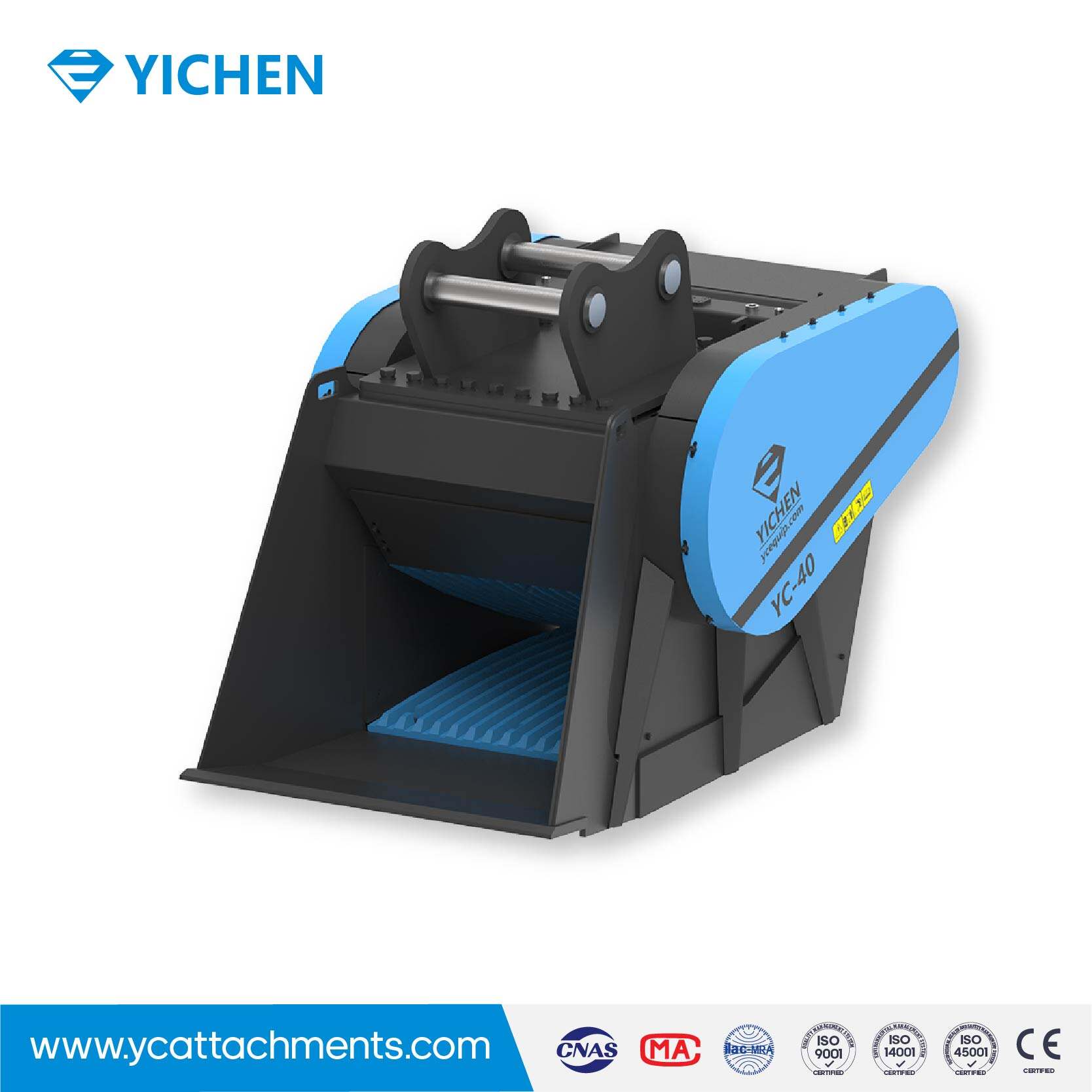
Crusher buckets are widely used in demolition, construction waste recycling, quarry support, and roadwork because they allow operators to crush materials directly on-site. Among all the wear parts inside a crusher bucket, the jaw plate plays one of the most important roles. It is the main component that comes into direct contact with concrete, stone, bricks, asphalt fragments, and other hard materials. For that reason, the performance of the jaw plate has a direct influence on crushing efficiency, maintenance frequency, and overall operating cost.
When buyers compare crusher buckets, they often focus on output size, hydraulic compatibility, or bucket structure. However, jaw plate wear resistance is just as important. A crusher bucket with poorly matched jaw plate material may suffer from rapid wear, unstable output, more downtime, and higher replacement costs. On the other hand, the right jaw plate material can help extend service life, improve crushing consistency, and support more reliable on-site recycling operations.
Why Jaw Plate Wear Resistance Matters
Wear resistance is one of the most important indicators of jaw plate quality because the jaw plate is constantly exposed to friction and impact. Every crushing cycle creates pressure between the material and the jaw surface. If the material is abrasive, sharp, or highly compact, that wear becomes even more severe. Over time, the surface profile of the jaw plate changes, which may reduce crushing efficiency and affect the final output size.
In practical jobsite conditions, poor wear resistance can create several problems. First, operators may need to replace jaw plates more often, which increases spare parts costs. Second, more frequent maintenance leads to equipment downtime, reducing productivity. Third, uneven or excessive wear may affect material flow inside the bucket, causing unstable crushing performance. This is why understanding the factors that affect jaw plate durability is essential for both equipment manufacturers and end users.
The Role of Jaw Plate Material
The first major factor affecting wear resistance is the material used to manufacture the jaw plate. Different materials offer different balances of hardness, toughness, and resistance to abrasion. In crushing applications, jaw plates must do more than simply resist scratching. They also need to absorb repeated impact without cracking or breaking.
If a jaw plate is too soft, it may wear down quickly when processing hard stone or recycled concrete. If it is too hard but lacks sufficient toughness, it may become brittle under heavy impact. This means the best jaw plate material is not always the hardest one. Instead, it should provide a balanced combination of wear resistance and mechanical strength.
For crusher buckets used in construction and demolition applications, wear-resistant alloy steels are commonly preferred because they can provide a good mix of hardness and structural reliability. In demanding applications, manufacturers may also optimize the material composition and heat treatment process to improve surface durability while maintaining enough toughness for daily operation.
How Feed Material Affects Wear
Even the best jaw plate material will not perform the same in every application. One of the biggest factors affecting wear resistance is the type of material being crushed. Different feed materials create different wear patterns and stress levels.
For example, natural stone with high silica content is typically more abrasive than ordinary demolition concrete. Recycled concrete mixed with steel contamination, dirt, or brick fragments may also increase wear. Broken asphalt, depending on composition, can behave differently from hard aggregate or quarry stone. Materials with sharp edges and high compressive strength usually create more severe wear on the jaw plate surface.
Moisture content also affects performance. Wet and sticky material may not always increase abrasion directly, but it can influence material flow and crushing efficiency. If the chamber does not feed evenly, the jaw plates may wear unevenly. This uneven wear can shorten service life and reduce the quality of the finished product.
The Importance of Feed Size and Distribution
Another key factor is the size and distribution of the feed material entering the crusher bucket. Oversized material can create excessive impact on specific areas of the jaw plate, especially during the initial crushing stage. If large chunks are repeatedly dropped into the bucket without proper control, localized wear may occur much faster than normal.
Even feed distribution is also important. A crusher bucket works more efficiently when material is spread relatively evenly across the crushing area. If the feed constantly enters one side more than the other, the jaw plate may wear asymmetrically. Once this happens, the chamber profile may change, leading to reduced crushing performance and a shorter replacement interval.
Operators can improve wear life by paying attention to how material is loaded into the bucket. Better feeding habits often lead to more balanced wear and more stable output, which directly supports longer service life for the jaw plates.
Crushing Settings and Their Influence on Wear Resistance
The output setting of a crusher bucket also affects jaw plate wear. In general, a tighter crushing setting creates more friction and pressure inside the chamber. This may help achieve a smaller discharge size, but it can also increase the wear rate of the jaw plates.
If the operator regularly works at the smallest possible output size, the jaw plates may face higher stress and faster material-to-metal contact. This is especially true when processing highly abrasive feed. In contrast, a slightly wider setting may reduce wear in some applications, although it may also change the final product size.
This does not mean that smaller output is always a bad choice. It simply means that wear resistance must be evaluated together with the crushing target. If the project requires finer material, then the operator should expect more attention to wear parts and maintenance planning. Choosing the right balance between output requirement and wear cost is an important part of efficient crusher bucket use.
Jaw Plate Design and Surface Profile
Jaw plate wear resistance is not only about material composition. The design and profile of the jaw plate also influence how the load is distributed during crushing. Tooth pattern, plate thickness, surface shape, and chamber geometry all affect how material moves and how force is applied.
A well-designed jaw plate helps grip the material properly and reduce unnecessary slipping. Better grip can improve crushing efficiency and reduce abnormal wear. If the jaw plate profile is not suitable for the material being processed, operators may experience higher wear in certain zones, less effective crushing, or more irregular discharge.
For this reason, jaw plate design should match the intended application. A crusher bucket used mainly for demolition concrete may benefit from a different jaw plate configuration than one used for quarry stone or mixed inert waste. Manufacturers that understand real jobsite conditions usually pay close attention to both alloy selection and wear part geometry.
Operating Habits and Their Impact on Service Life
Operating style plays a major role in determining actual jaw plate wear resistance in the field. Two operators using the same crusher bucket on similar materials may still see different wear results because of differences in handling habits.
Aggressive feeding, repeated overloading, and poor material control can all accelerate wear. Dropping oversized material directly into the chamber or forcing the bucket to crush material outside its intended range may increase stress on the jaw plates and other structural components. In contrast, controlled operation, steady feeding, and correct hydraulic matching usually result in better wear life.
Routine inspection is equally important. If operators monitor the jaw plate condition early, they can often identify uneven wear, loose parts, or chamber issues before they become serious. Timely maintenance helps maintain proper crushing performance and prevents excessive wear from spreading to other components.
Maintenance and Replacement Strategy
No matter how wear-resistant a jaw plate material is, it remains a consumable part. Therefore, maintenance strategy is an important part of overall durability. Wear resistance should not be viewed only as “how long a plate lasts,” but also as “how efficiently the wear part can be managed over its lifecycle.”
Regular inspection helps users determine whether the wear is normal or abnormal. When jaw plates are replaced at the right time, the crusher bucket can maintain a more stable chamber shape and better crushing efficiency. If replacement is delayed too long, worn jaw plates may reduce performance and place more strain on the rest of the machine.
A good crusher bucket design should make wear part replacement practical and efficient. Replaceable wear components help reduce long-term cost because the user does not need to replace the entire structure when only the high-wear areas are affected. This is one of the reasons why replaceable jaw plate design is valued in modern crusher buckets.
How to Improve Jaw Plate Wear Resistance in Real Applications
Improving wear resistance is usually not about changing only one thing. The best results come from optimizing several factors together. Choosing the right jaw plate material is the foundation, but feed material, operating method, output setting, and maintenance practice all matter.
For contractors and buyers, a few practical principles are especially important. First, match the crusher bucket to the excavator and intended application. Second, use jaw plate materials and designs suitable for the type of material being processed. Third, avoid overloading and maintain even feeding whenever possible. Fourth, inspect wear parts regularly and replace them before excessive wear affects overall performance.
By treating wear resistance as a complete system issue rather than just a material issue, operators can achieve better productivity and lower total cost of ownership.
Conclusion
Jaw plate wear resistance in crusher buckets is influenced by a combination of material properties, feed characteristics, chamber design, crushing settings, and operator behavior. The jaw plate must resist both abrasion and impact, which means the ideal material should provide a balanced combination of hardness, toughness, and structural stability. At the same time, real-world performance depends heavily on what is being crushed and how the machine is being used.
For companies involved in demolition, construction recycling, and on-site material processing, understanding these factors can help improve crusher bucket performance and reduce operating cost. A durable jaw plate does more than last longer. It also supports more efficient crushing, more stable output, less downtime, and better value over the entire service life of the attachment. When selecting a crusher bucket, paying attention to jaw plate material and wear resistance is not a minor detail. It is a key part of choosing a reliable and cost-effective solution.
FAQ
What is the function of a jaw plate in a crusher bucket?
The jaw plate is the main wear part that crushes material inside the crusher bucket. It directly contacts stone, concrete, and demolition waste, making it essential for crushing performance and durability.
What affects jaw plate wear resistance the most?
The main factors include jaw plate material, feed material abrasiveness, feed size, crushing setting, jaw plate design, operating habits, and maintenance frequency.
Does harder jaw plate material always mean better wear resistance?
Not always. A very hard material may resist abrasion well, but if it lacks toughness, it can crack under repeated impact. The best jaw plate material balances hardness and toughness.
Why do jaw plates wear faster in some projects?
Jaw plates wear faster when crushing highly abrasive materials, oversized feed, contaminated demolition waste, or when the crusher bucket is operated with poor feeding habits or very tight output settings.
Can maintenance improve jaw plate service life?
Yes. Regular inspection, timely replacement, correct installation, and proper operating habits all help improve jaw plate life and maintain stable crushing performance.
Table of Contents
- Why Jaw Plate Wear Resistance Matters
- The Role of Jaw Plate Material
- How Feed Material Affects Wear
- The Importance of Feed Size and Distribution
- Crushing Settings and Their Influence on Wear Resistance
- Jaw Plate Design and Surface Profile
- Operating Habits and Their Impact on Service Life
- Maintenance and Replacement Strategy
- How to Improve Jaw Plate Wear Resistance in Real Applications
- Conclusion
- FAQ