EN
EN

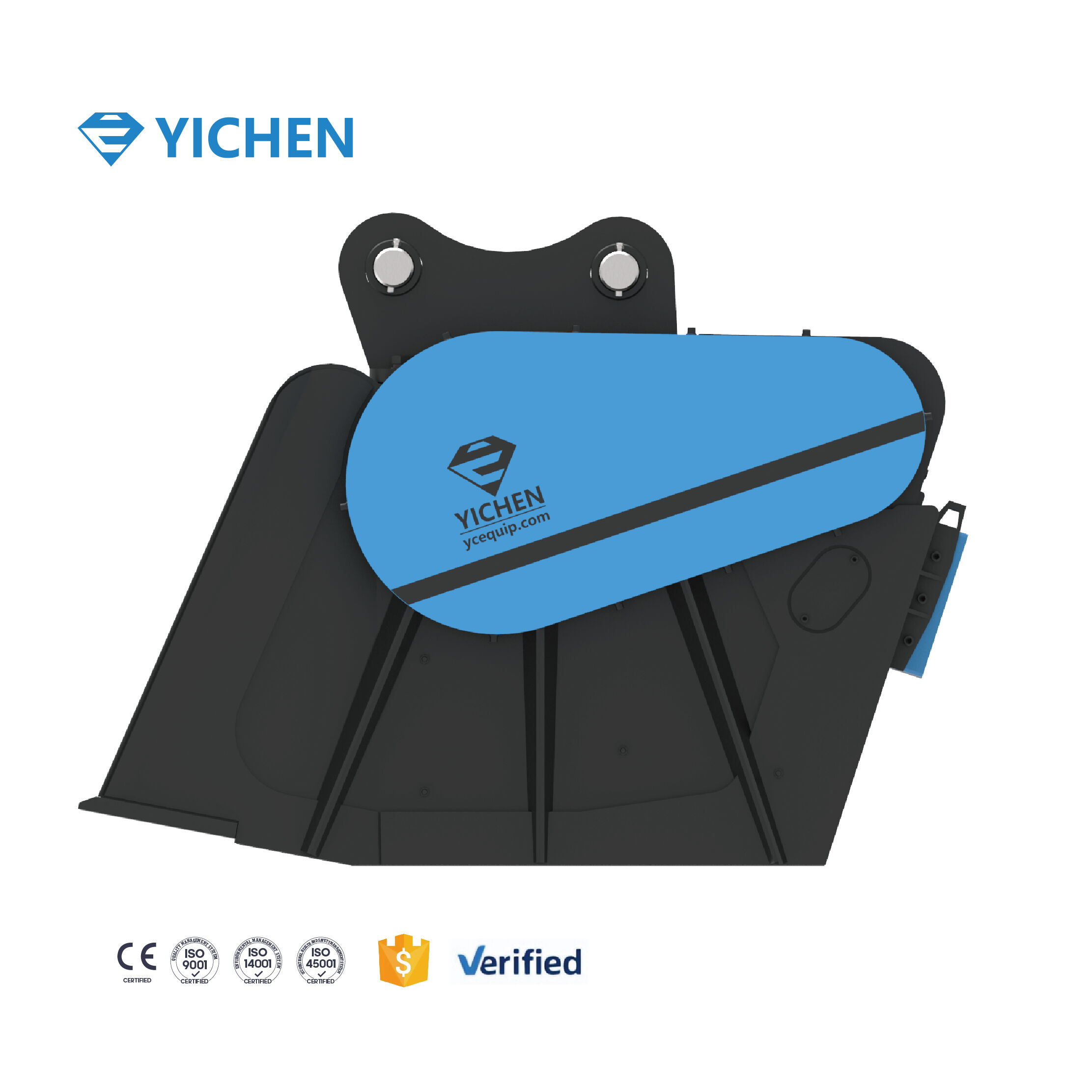
In today’s construction, demolition, and recycling industries, contractors are under constant pressure to complete projects faster, reduce transportation costs, and make better use of materials on-site. This is exactly why on-site concrete and rock crushing with excavator crusher buckets has become an increasingly popular solution. Instead of moving broken concrete, rocks, and demolition debris to an off-site processing plant, operators can crush materials directly at the jobsite and turn waste into reusable resources.
An excavator crusher bucket transforms a standard excavator into a mobile crushing unit. By combining hydraulic power with a compact crushing system, it allows contractors to process hard materials such as concrete, natural stone, bricks, and inert construction waste right where the material is generated. This not only improves jobsite efficiency, but also helps reduce hauling, disposal, and material replacement costs.
What Is an Excavator Crusher Bucket?
An excavator crusher bucket is a hydraulic attachment mounted on an excavator for crushing hard materials directly on-site. It is designed to handle applications such as concrete recycling, rock crushing, demolition waste processing, and site preparation. Unlike fixed crushing plants or large mobile crushers, a crusher bucket uses the excavator’s existing hydraulic system, making it a more flexible and space-saving solution.
This type of attachment is especially valuable on projects where mobility matters. Whether the work takes place on a demolition site, road construction zone, quarry edge, or urban jobsite with limited access, a crusher bucket offers a compact way to break down materials without bringing in additional heavy crushing equipment.
Why On-Site Crushing Matters
Traditional material processing often involves several extra steps. Broken concrete or rock must be collected, loaded into trucks, transported to a recycling yard or crushing plant, processed there, and then, in many cases, transported back as reusable fill or aggregate. This process takes time, increases fuel consumption, and adds labor and disposal costs.
On-site crushing changes this workflow completely. With a crusher bucket attached to an excavator, the operator can pick up material, crush it on-site, and prepare it for immediate reuse. This approach reduces unnecessary transport, simplifies site logistics, and helps contractors maintain better control over material management.
For many companies, this is not only a cost-saving advantage but also an operational one. Fewer machines, fewer transport trips, and fewer delays mean smoother project execution and higher productivity across the jobsite.
Key Benefits of Crushing Concrete and Rock On-Site
One of the biggest advantages of using an excavator crusher bucket is the ability to recycle materials directly where they are generated. Broken concrete from demolition, removed road sections, foundation debris, and natural rock can often be processed into reusable material for backfilling, sub-base preparation, or general site use. This reduces waste while creating more value from the material already on hand.
Another major benefit is lower transportation and disposal costs. Every truckload that does not have to leave the site saves money on fuel, labor, and landfill fees. At the same time, every ton of crushed material that can be reused on-site reduces the need to purchase and transport new aggregate.
Crusher buckets also improve flexibility. Large fixed or tracked crushing plants are not always practical for smaller jobs, temporary work zones, narrow roads, or city-center demolition projects. A bucket-mounted crushing solution allows operators to work more freely in confined spaces while still achieving efficient material reduction.
In addition, the excavator becomes more versatile. Instead of performing only digging or loading functions, it can also handle crushing, material processing, and recycling, increasing the value of a single machine on the jobsite.
Applications for Concrete and Rock Crushing
Excavator crusher buckets are widely used across multiple industries because concrete and rock appear in many types of work. In demolition, they are used to break and recycle concrete slabs, walls, pillars, and structural debris. In construction and infrastructure work, they help process removed pavement, foundation remains, and excavated stone. In quarry support operations, they can be used to reduce oversized rock pieces near the extraction site.
Roadwork is another common application. Old concrete and road materials can often be crushed on-site and reused in road base or fill layers, improving efficiency and reducing the cost of material handling. On marine, port, and slope engineering projects, crusher buckets may also be used to reduce large rock into more manageable sizes for transport or reuse.
Because of this wide range of uses, crusher buckets are seen not just as demolition tools, but as practical on-site processing solutions for any project involving hard inert materials.
Why Crusher Buckets Are Ideal for On-Site Recycling
The value of a crusher bucket goes beyond simple size reduction. It plays an important role in on-site recycling by helping turn waste into useful material. This is increasingly important as construction companies focus more on sustainability, cost control, and circular material use.
Instead of sending concrete and rock waste to landfill, contractors can process it immediately and reuse it within the same project whenever appropriate. This reduces waste disposal volumes and helps support greener construction practices. For companies bidding on projects with environmental targets or stricter waste management requirements, the ability to recycle materials on-site can be a strong operational advantage.
At the same time, on-site recycling supports faster decision-making. Material can be processed when and where it is needed, rather than waiting for an outside plant or transport schedule. This can help reduce project delays and improve the overall pace of work.
Important Factors When Choosing a Crusher Bucket
Not every crusher bucket is the same, and selecting the right model is important for performance and durability. One of the first factors to consider is excavator compatibility. The attachment should match the excavator’s weight class, hydraulic flow, and operating pressure to ensure stable and efficient crushing.
Material type is another important consideration. Concrete, natural rock, mixed demolition debris, and asphalt fragments all behave differently during crushing. Buyers should choose a crusher bucket designed for the specific materials they plan to process most often.
Output size requirements also matter. Some projects require coarser crushed material, while others may need finer output for reuse in specific applications. The crusher bucket should provide the right balance of productivity, output control, and wear resistance.
Durability is equally important. Crusher buckets work in abrasive conditions, so wear parts, structural design, and maintenance accessibility should all be considered. A well-designed bucket with replaceable wear components can help reduce downtime and lower lifecycle costs.
The Role of Screening in Better Material Processing
For contractors who want more control over final material quality, crusher buckets are often used together with screening buckets. This combination can improve overall processing efficiency by separating finer materials before or after crushing and reducing unnecessary load on the crushing chamber.
Pre-sorting material helps create more consistent feed, while post-screening can improve the usability of the crushed output. On projects where recycled material quality is important, combining crushing and screening can create a more complete on-site recycling workflow.
This is particularly useful in demolition and roadwork, where material streams may include concrete, stone, soil, and fines mixed together. A more refined processing method helps improve both output quality and reuse value.
How Crusher Buckets Improve Jobsite Efficiency
Jobsite efficiency is often determined by how smoothly material moves from one stage to another. Crusher buckets help simplify that process by allowing excavation, handling, crushing, and sometimes loading to happen within a tighter workflow.
Instead of waiting for transport or relying on separate crushing contractors, the machine operator can process material immediately. This reduces idle time and allows the project team to respond faster to changing site conditions. It also gives contractors more independence in managing demolition waste and reusable aggregates.
On smaller or medium-sized projects, this kind of efficiency can make a major difference. A compact attachment-based solution may provide enough crushing performance without the complexity of mobilizing a large plant, which is especially valuable where space, budget, or project duration is limited.
A Smarter Way to Handle Concrete and Rock
As construction and demolition projects continue to demand more efficient and sustainable material handling, excavator crusher buckets offer a practical answer. They allow contractors to crush concrete and rock directly on-site, reduce waste transport, reuse valuable material, and get more productivity from the excavator already in use.
For many operators, the real advantage lies in flexibility. A crusher bucket is not just another attachment. It is a tool that helps turn the excavator into a mobile processing solution capable of handling multiple tasks on demanding jobsites.
Whether the goal is to recycle demolition concrete, reduce oversized rock, improve material flow, or cut hauling costs, on-site crushing with an excavator crusher bucket delivers clear operational and economic benefits.
Conclusion
On-site concrete and rock crushing with excavator crusher buckets is becoming an essential solution for contractors who want to improve efficiency, reduce costs, and support more sustainable construction practices. By crushing materials directly at the source, companies can simplify logistics, lower disposal expenses, and create reusable resources from what would otherwise be treated as waste.
For demolition, recycling, quarry support, roadwork, and infrastructure projects, a crusher bucket offers a compact and effective way to expand the role of the excavator. With the right attachment, the right machine, and the right operating approach, on-site crushing can become a smarter and more profitable part of modern jobsite management.
FAQ
What materials can an excavator crusher bucket crush?
An excavator crusher bucket is commonly used to crush concrete, natural rock, bricks, asphalt fragments, and other inert construction or demolition materials.
What are the benefits of on-site crushing?
On-site crushing reduces hauling costs, lowers disposal fees, saves time, improves material reuse, and increases overall jobsite efficiency.
Is a crusher bucket suitable for small jobsites?
Yes. Crusher buckets are especially useful on small or confined jobsites where large crushing plants are difficult to transport or operate.
Can crushed concrete be reused on-site?
In many cases, yes. Crushed concrete can often be reused for backfilling, sub-base preparation, or other site-related applications, depending on project requirements.
How do I choose the right crusher bucket?
You should consider excavator size, hydraulic capacity, material type, output requirement, and the durability of the bucket’s wear parts and structure.
Can a crusher bucket be used with a screening bucket?
Yes. Many contractors use a screening bucket together with a crusher bucket to improve material separation and final output quality.
Table of Contents
- What Is an Excavator Crusher Bucket?
- Why On-Site Crushing Matters
- Key Benefits of Crushing Concrete and Rock On-Site
- Applications for Concrete and Rock Crushing
- Why Crusher Buckets Are Ideal for On-Site Recycling
- Important Factors When Choosing a Crusher Bucket
- The Role of Screening in Better Material Processing
- How Crusher Buckets Improve Jobsite Efficiency
- A Smarter Way to Handle Concrete and Rock
- Conclusion
- FAQ