EN
EN

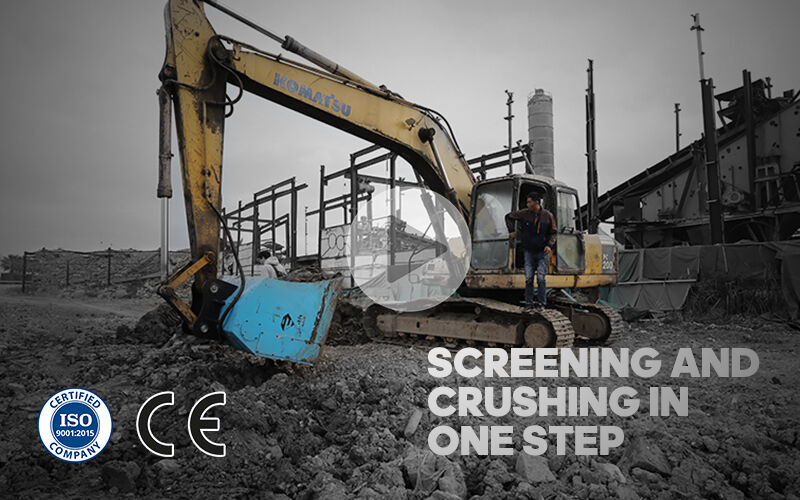
Why a Quick Coupler Matters
A quick coupler allows the operator to change excavator attachments faster than traditional manual pin removal. Instead of spending valuable time on repeated attachment changeovers, contractors can keep the machine working and adapt more easily to changing jobsite needs.
The right quick coupler can help deliver several practical benefits:
- Faster attachment changes
- Higher machine utilization
- Reduced manual handling
- Better workflow across multiple tasks
- Improved safety during swapping operations
For contractors who regularly switch between buckets, breakers, rippers, compactors, grabs, or drilling tools, a quick coupler can become one of the most important productivity upgrades on the machine.
Start with Your Excavator Specifications
The first step in choosing a quick coupler is matching it to the excavator itself. Even a high-quality coupler will perform poorly if the fit is incorrect.
Before selecting a model, confirm:
- Excavator operating weight
- Pin diameter
- Pin center distance
- Dipper width
- Hydraulic system requirements
- Attachment working range
A coupler designed for a 1-ton or 1.2-ton mini excavator will have very different dimensions and load characteristics from one built for larger earthmoving machines. Proper sizing is essential for safety, locking performance, and attachment stability.
If you are sourcing for multiple machines, it is also worth checking whether you need standardized attachment interfaces across the fleet.
Manual or Hydraulic Quick Coupler?
Quick couplers are generally available in manual and hydraulic versions.
Manual quick couplers
Manual systems are usually more economical and may suit operators who change attachments less frequently. However, they typically require more hands-on work and more time during each swap.
Hydraulic quick couplers
Hydraulic quick couplers are designed for faster, more efficient attachment changes. They are often the preferred choice for contractors who operate across varied applications and need frequent switching during the workday.
If your jobs involve repeated transitions between tools, a hydraulic quick coupler is usually the better investment because it reduces downtime and keeps the excavator productive.
Check Attachment Compatibility Carefully
Not every coupler works equally well with every attachment. One of the biggest purchasing mistakes is focusing only on the excavator model while overlooking the actual tools that will be used.
Ask these questions:
- Which attachments will be swapped most often?
- Are all attachments built to the same pin and bracket dimensions?
- Will the coupler be used with buckets only, or also with breakers, augers, grabs, and other specialty tools?
- Are there weight or balance differences that may affect locking performance?
A contractor doing landscaping may prioritize quick switching between buckets and augers. A demolition team may need compatibility with breakers, pulverizers, and grabs. Quarry or roadwork applications may have different stress and vibration demands.
The more varied the attachment mix, the more important it becomes to choose a coupler with dependable fit, stable locking, and proven compatibility.
Prioritize Safety Features
Speed is important, but safety comes first. A quick coupler must hold the attachment securely under real working conditions, including vibration, repeated cycles, impact loads, and uneven terrain.
When comparing couplers, look for features such as:
- Reliable locking mechanism
- Secondary safety lock
- Visual lock confirmation
- Stable pin engagement
- Low risk of accidental release
- Easy inspection and maintenance access
Operators and fleet managers should also check whether the coupler design supports safe daily inspection procedures. A faster swap is only valuable when the attachment remains securely locked throughout operation.
Consider Jobsite Conditions and Workload
The right quick coupler for a mini excavator in urban utility work may not be the best choice for demolition, quarrying, or heavy earthmoving.
Think about the actual job environment:
For urban and municipal work
Compact size, easy switching, and clean hydraulic integration are usually priorities.
For landscaping and general construction
Versatility matters most. Contractors often change between digging, grading, drilling, and material handling attachments.
For demolition and heavy-duty applications
Durability, structural strength, and secure locking under shock loads become more critical.
For rental fleets
Ease of use, broad compatibility, and reduced operator error are major advantages.
A quick coupler should be selected based on the tasks it will face every day, not just based on catalog dimensions.
Look at Durability and Build Quality
A quick coupler operates in a high-wear environment. Repeated attachment changes, dust, mud, vibration, and heavy loads all affect long-term reliability.
Key durability factors include:
- High-strength steel construction
- Quality machining and welding
- Wear resistance in locking components
- Durable hydraulic components and seals
- Protection against contamination and corrosion
A lower upfront price may look attractive, but poor wear performance can lead to more maintenance, more downtime, and higher replacement costs over time.
For buyers, the best value often comes from a coupler that delivers stable performance over the long run, especially in demanding projects.
Evaluate Maintenance and After-Sales Support
A quick coupler is not just a hardware purchase. It is part of the machine’s working system, which means service support matters.
Before buying, ask the supplier:
- Is installation guidance available?
- Are spare parts easy to obtain?
- What is the lead time for replacement components?
- Can the coupler be customized for my excavator and attachments?
- Is technical support available if fitment adjustments are needed?
Responsive support becomes especially important when the coupler is being matched to multiple attachment types or non-standard dimensions.
A Simple Buyer’s Checklist
Before you place an order, confirm these points:
- The coupler matches your excavator size and pin dimensions
- It is compatible with your main attachments
- The locking system is secure and easy to inspect
- It fits your workload and jobsite conditions
- The materials and structure are suitable for long-term use
- Spare parts and technical support are available
- Customization is possible if needed
A quick review of these factors can prevent costly fitment mistakes and help ensure smooth attachment changes in daily operation.
Final Thoughts
Selecting the right quick coupler is about more than making attachment swaps faster. It is about choosing a solution that fits your excavator, supports your attachments, improves operator efficiency, and performs safely in real jobsite conditions.
When correctly matched, a quick coupler helps turn one excavator into a more flexible, more productive machine. For contractors working across multiple applications, that flexibility can translate directly into better project efficiency and lower operating costs.
If you are planning to upgrade your excavator attachment system, start by reviewing your machine specifications, your most-used attachments, and your daily application needs. The right quick coupler will save time at every swap and create value over the life of the machine.
Need help selecting a quick coupler for your excavator?
Share your excavator model, pin dimensions, attachment list, and application requirements, and our team can help recommend a suitable quick coupler solution.
Table of Contents
- Why a Quick Coupler Matters
- Start with Your Excavator Specifications
- Manual or Hydraulic Quick Coupler?
- Check Attachment Compatibility Carefully
- Prioritize Safety Features
- Consider Jobsite Conditions and Workload
- Look at Durability and Build Quality
- Evaluate Maintenance and After-Sales Support
- A Simple Buyer’s Checklist
- Final Thoughts