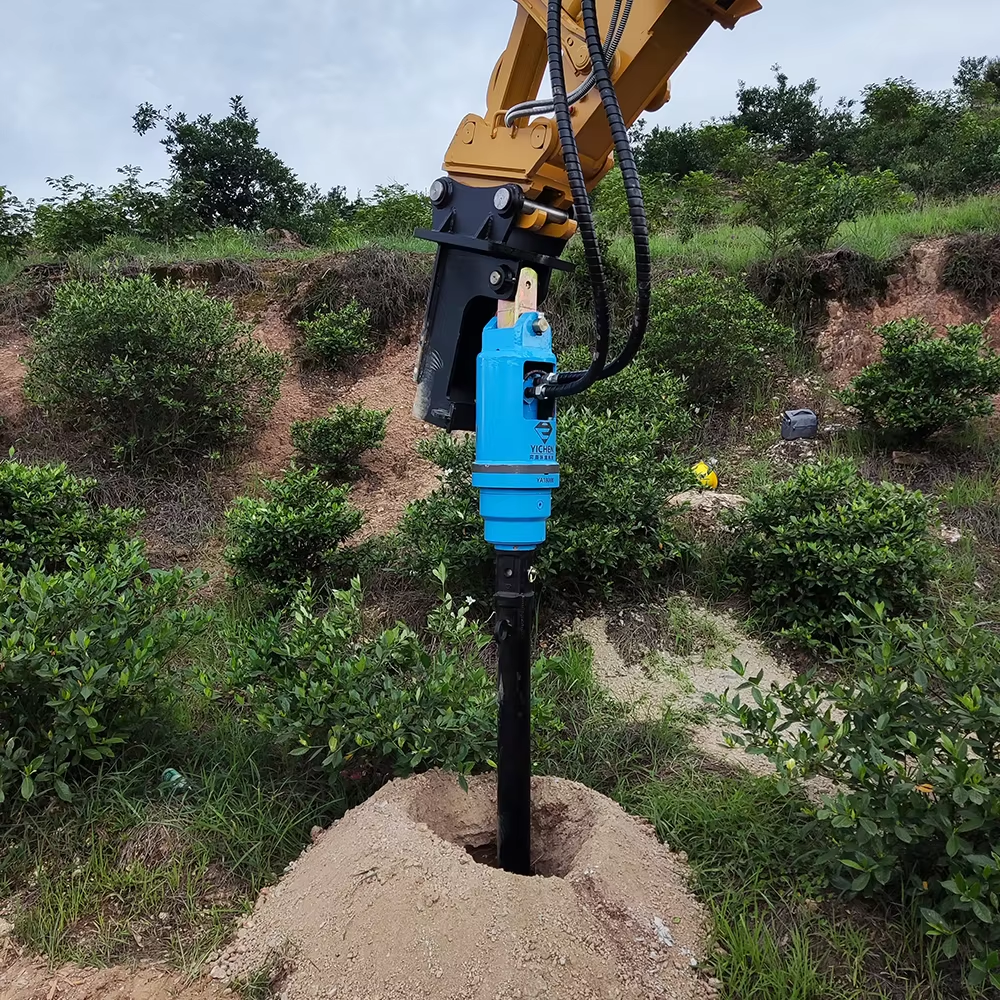
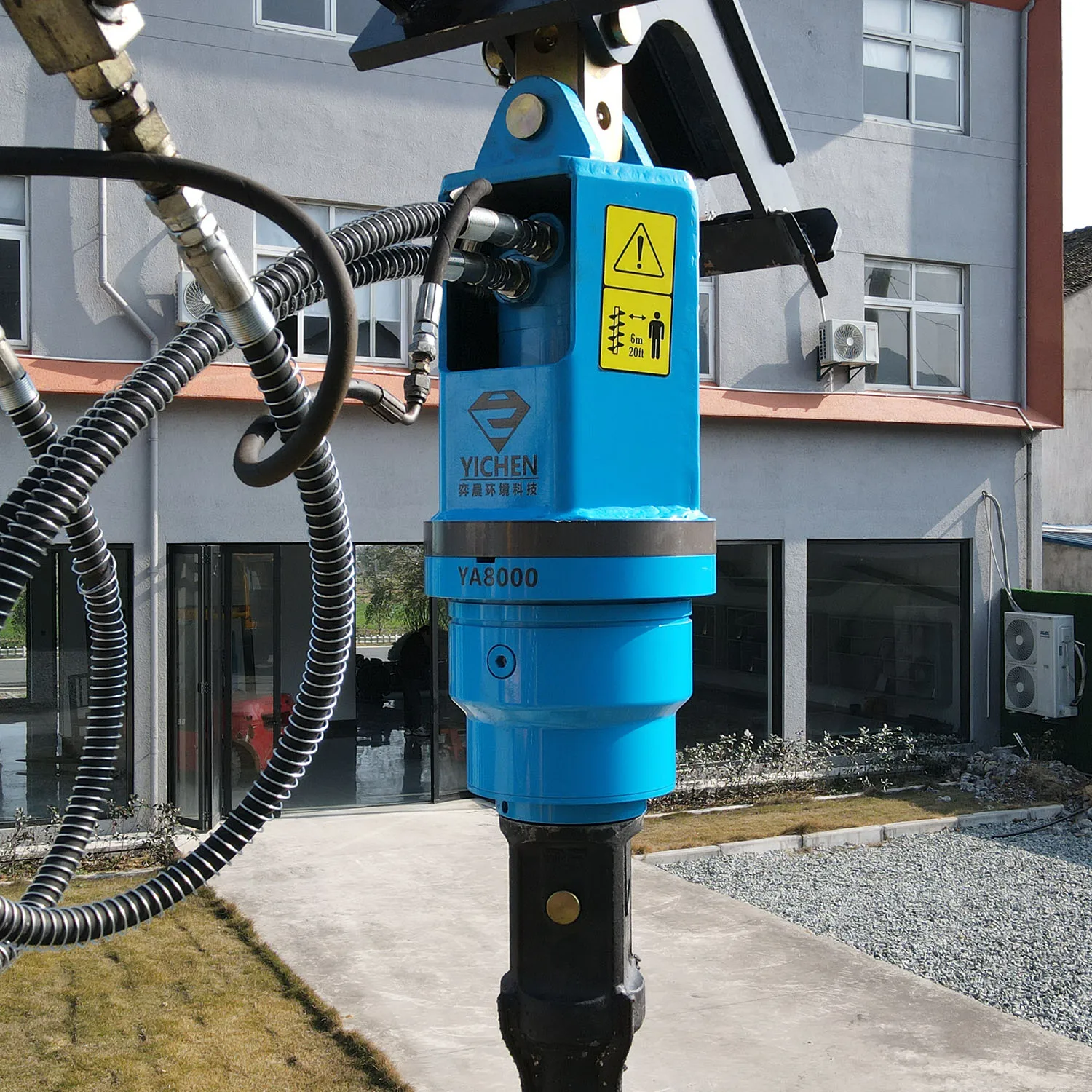
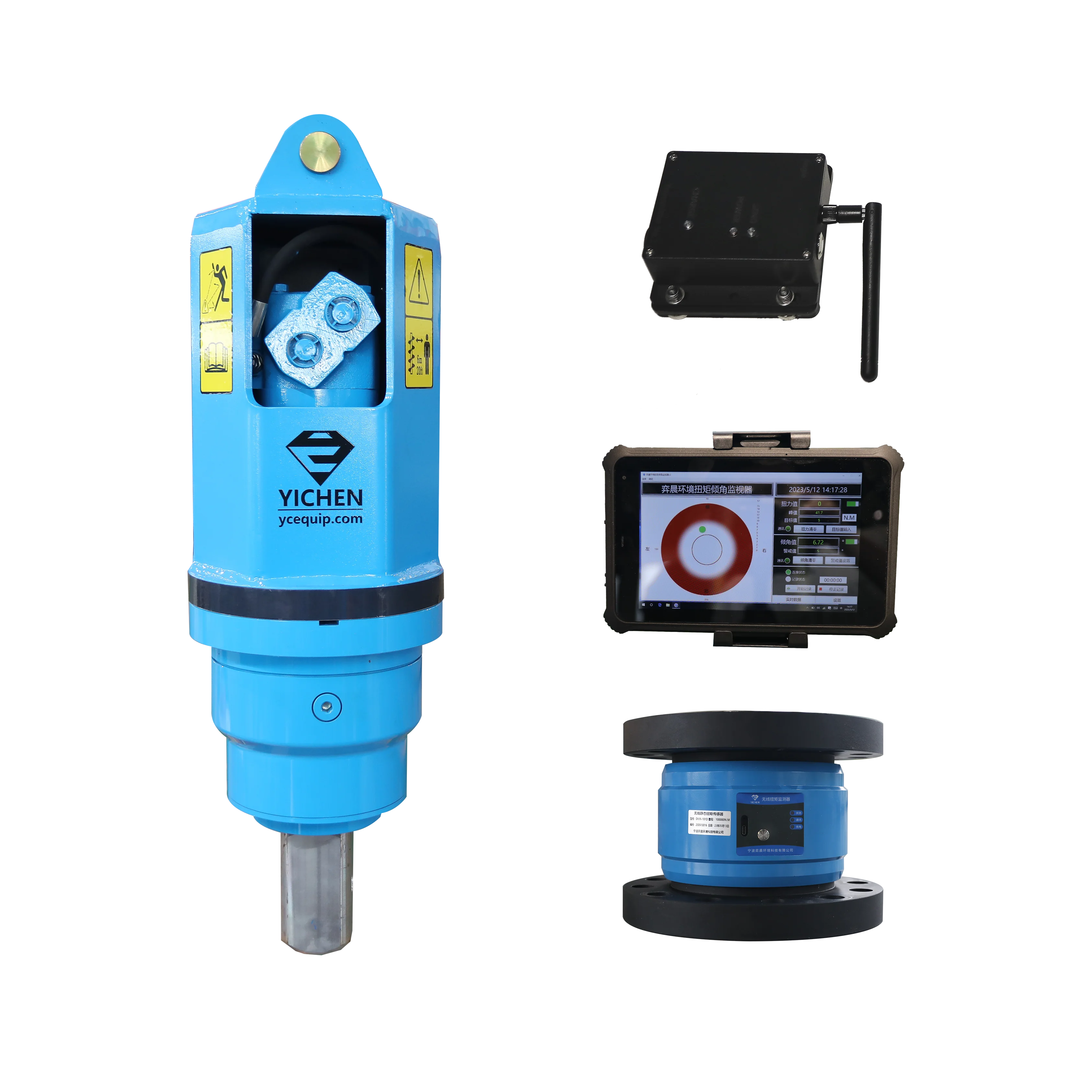
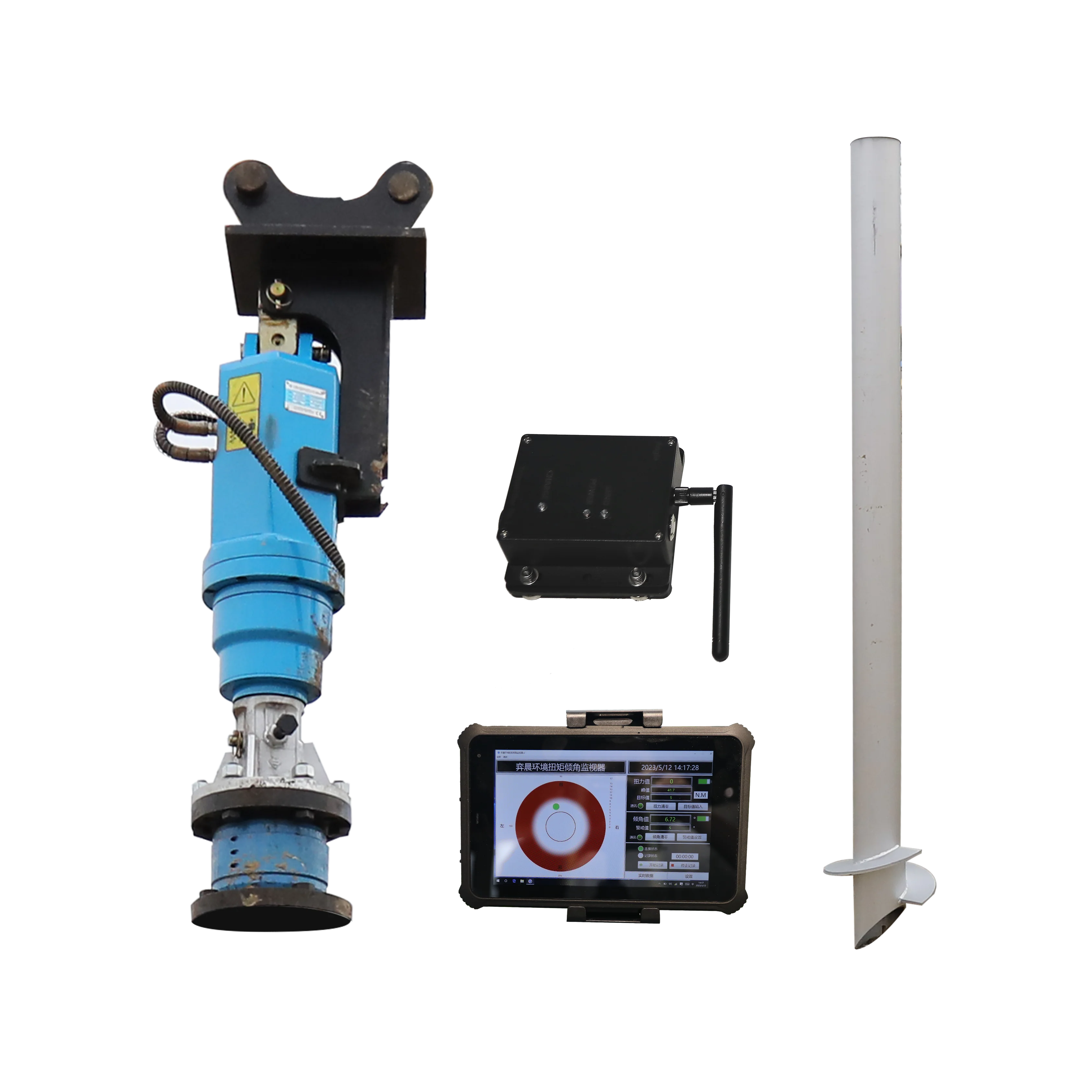
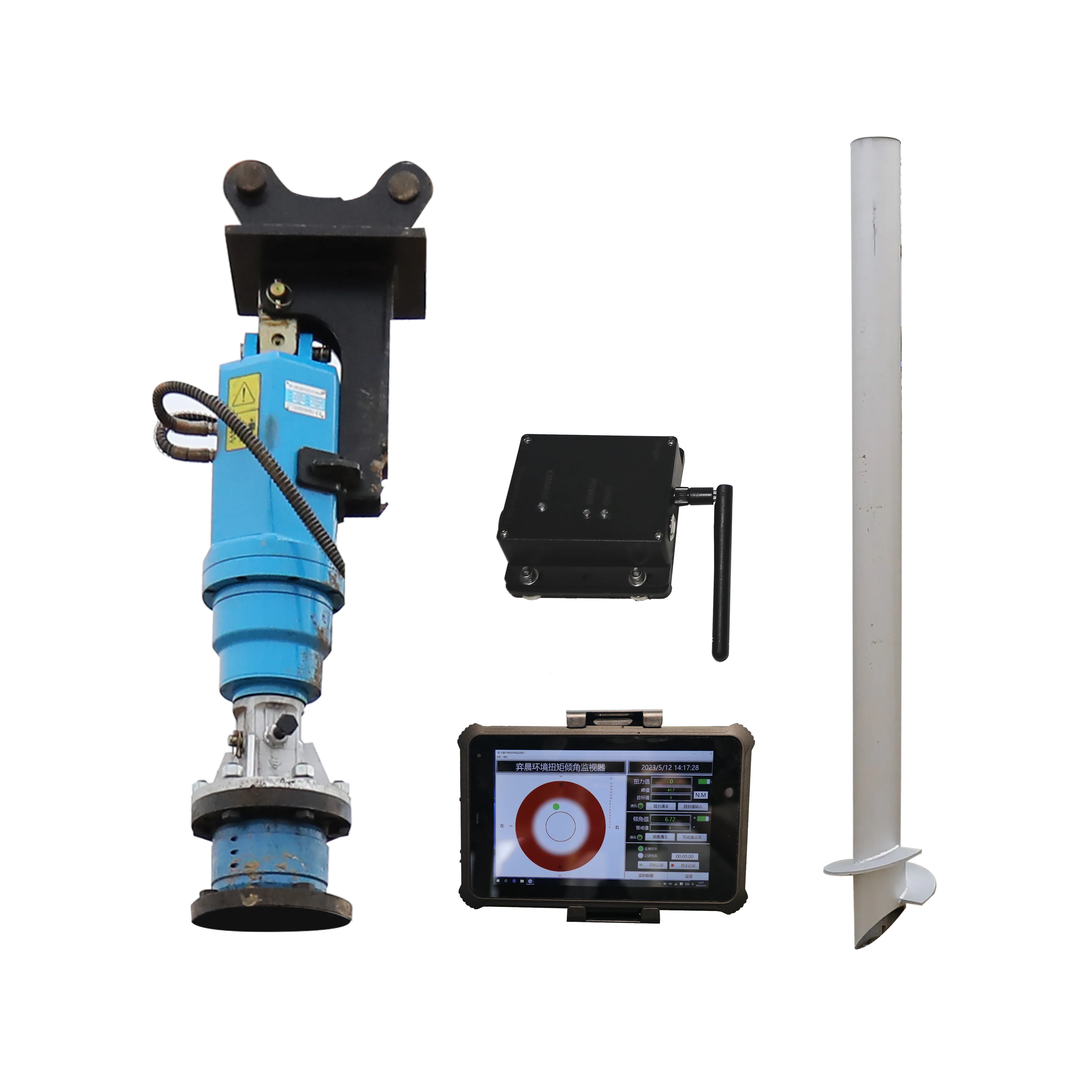
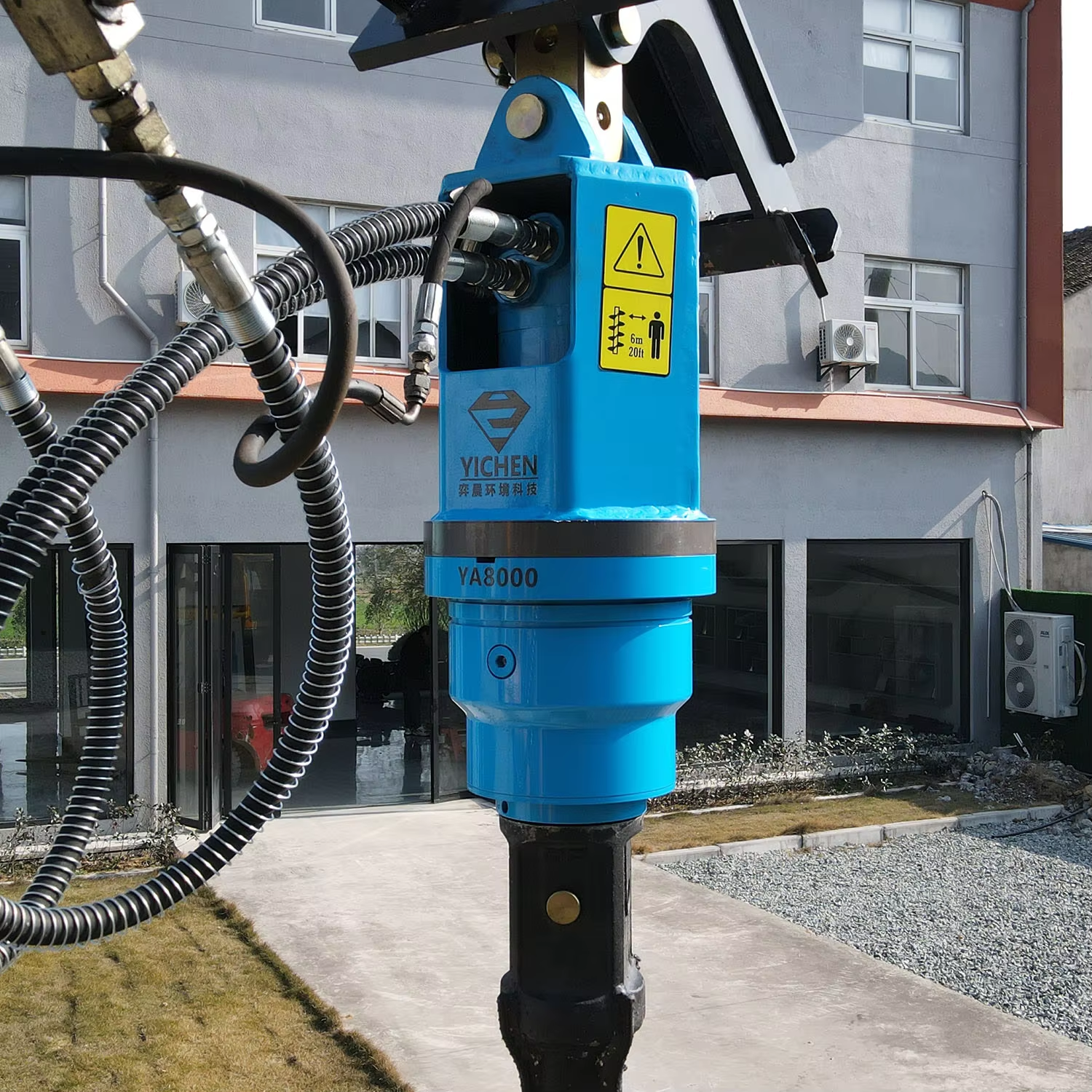
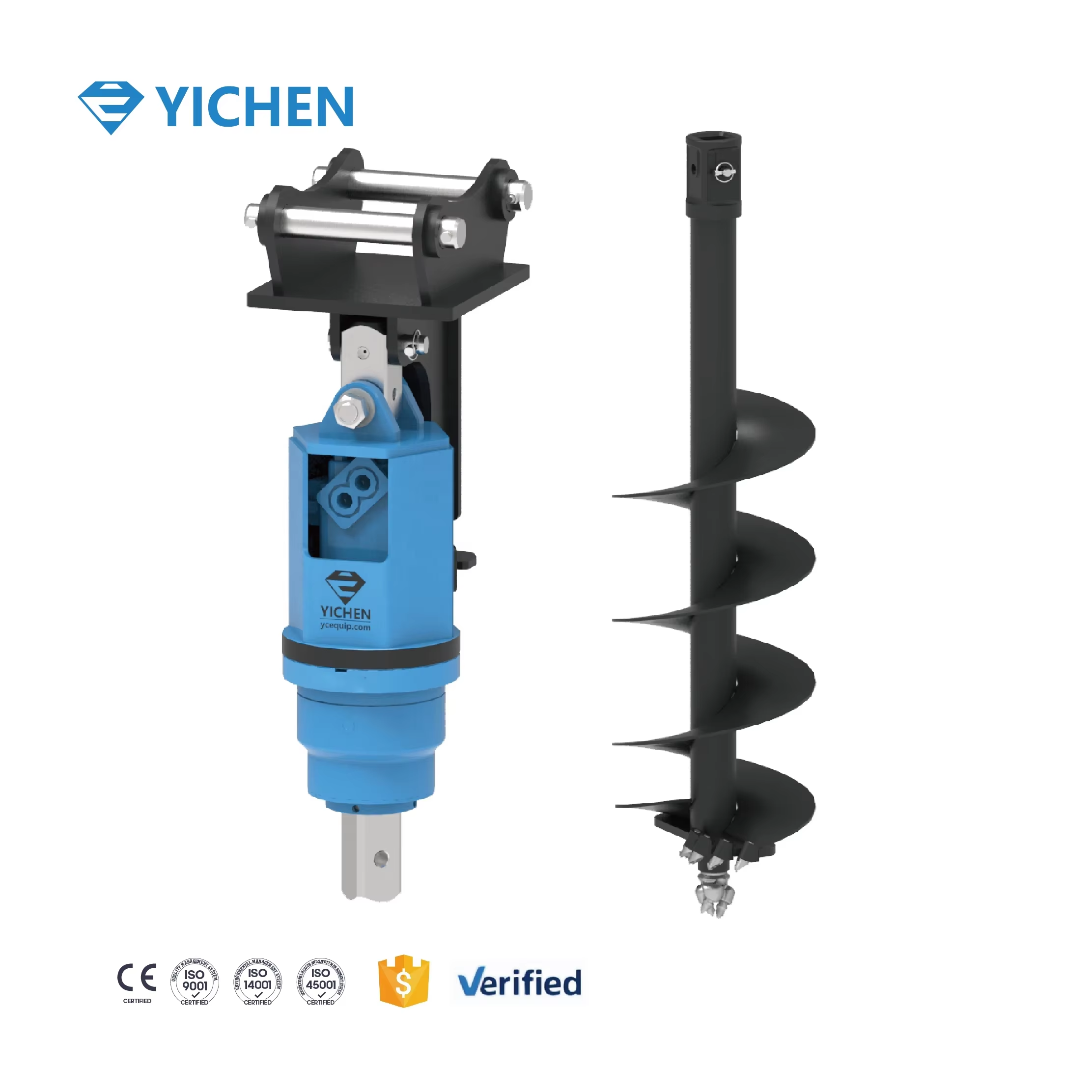
Helical piles represent a revolutionary innovation in modern foundation engineering. They are not merely steel columns but sophisticated engineering solutions addressing construction challenges such as unstable ground, tight schedules, and environmental constraints. Unlike traditional concrete foundations, helical piles twist deep into the ground via their unique bearing plates, directly transferring structural loads to stable soil layers. This enables immediate bearing capacity under heavy pressure and uplift forces, eliminating the need for concrete curing. Load-bearing performance is verified in real-time during installation. This physical design delivers significant load-bearing advantages, making it particularly suitable for projects requiring rapid, reliable foundations.
Installation speed is another major highlight of screw piles. Traditional concrete foundations require time-consuming processes like excavation, formwork setup, rebar tying, curing, and backfilling. In contrast, screw piles can be installed within minutes using only small hydraulic machinery. With vibration-free, excavation-free construction, they operate effortlessly in confined spaces inaccessible to large equipment—such as backyards, basements, or ecologically sensitive areas—without risking damage to adjacent structures. This drastically shortens project timelines and minimizes environmental impact.
In today's era of heightened environmental awareness, screw piles stand out for their low carbon footprint and reusability. Constructed from galvanized steel, they offer exceptional corrosion resistance with a lifespan exceeding 75 to 100 years. Installation generates no excavated spoil, avoids groundwater contamination, and when structures are demolished, the piles can be extracted for reuse or recycling—delivering truly green construction. For challenging geological conditions like expansive soil, high water tables, or loose sand, screw piles offer an unparalleled solution. They anchor below active soil layers, preventing damage from soil expansion/contraction or water flow. This makes them particularly suitable for slopes, piers, and waterfront structures.