In the world of construction, a building is only as good as the ground it stands on. For decades, the default answer to poor soil conditions was simple: dig deep and pour concrete. However, as project timelines shrink and environmental regulations tighten, engineers and contractors are increasingly abandoning traditional methods in favor of a smarter, faster alternative: Helical pile solutions. Once relegated to minor repairs or temporary structures, helical piles have evolved into a high-capacity deep foundation system capable of supporting massive commercial structures. But what makes them so significant in today’s market? It’s not just about holding things up; it’s about solving the logistical nightmares of modern building sites.
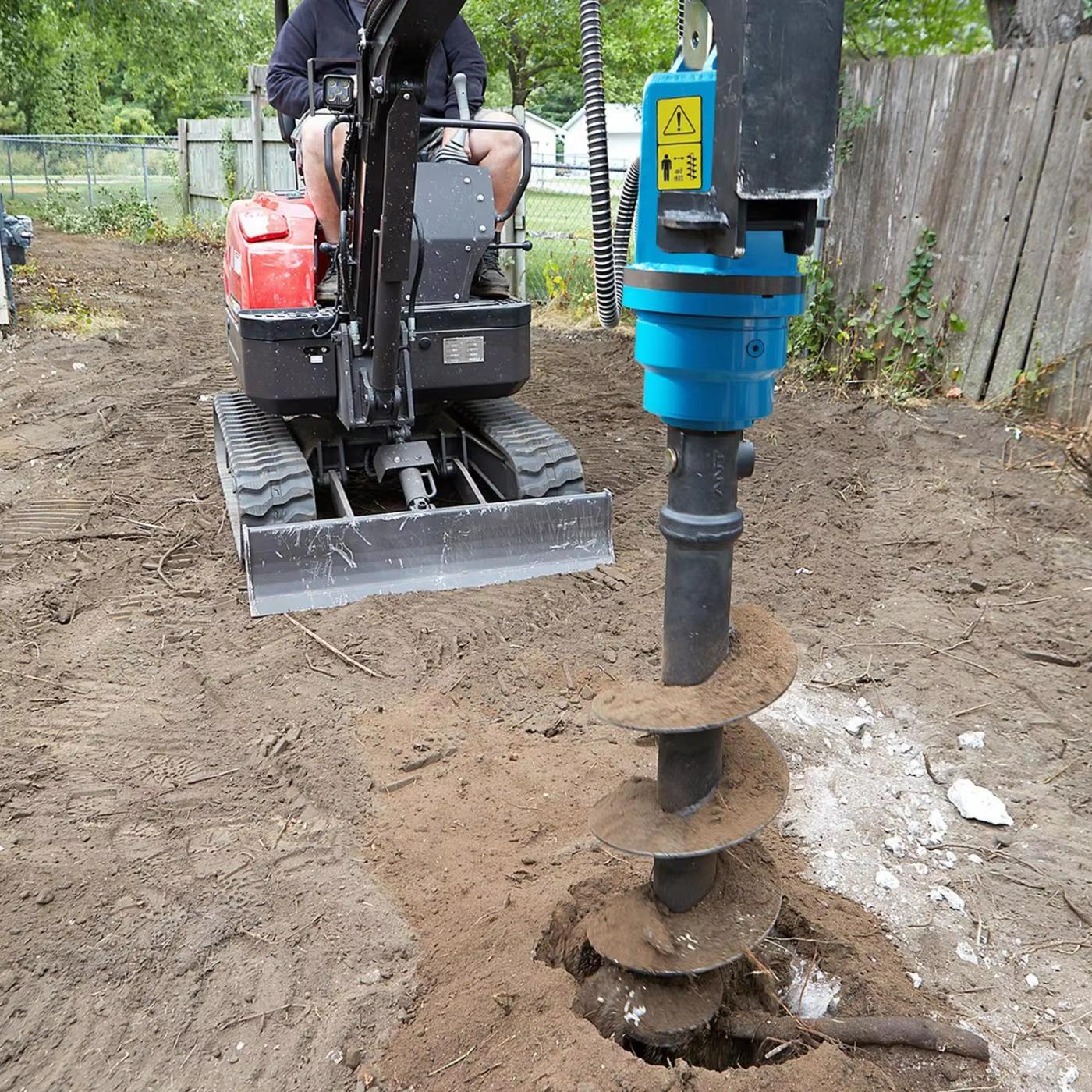
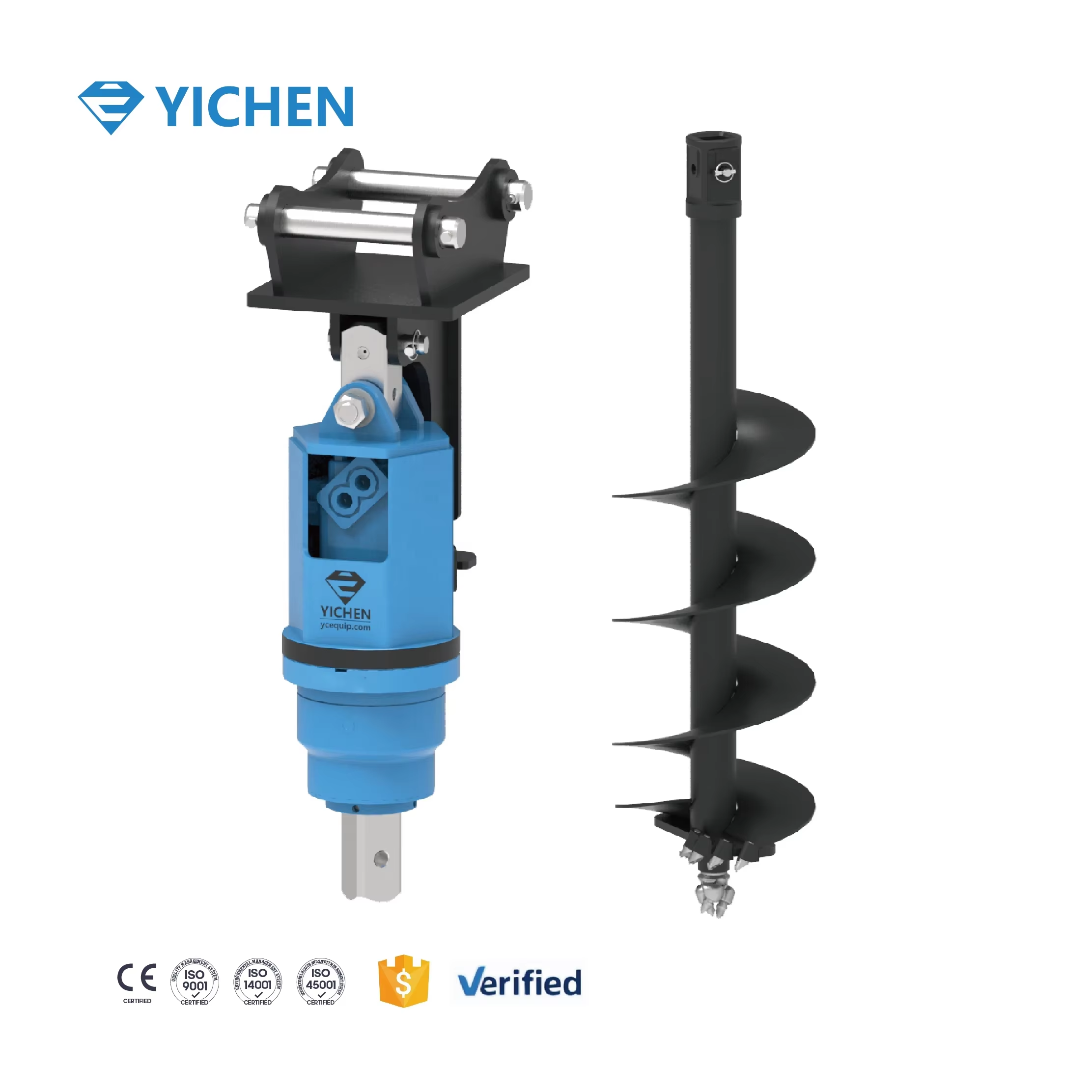
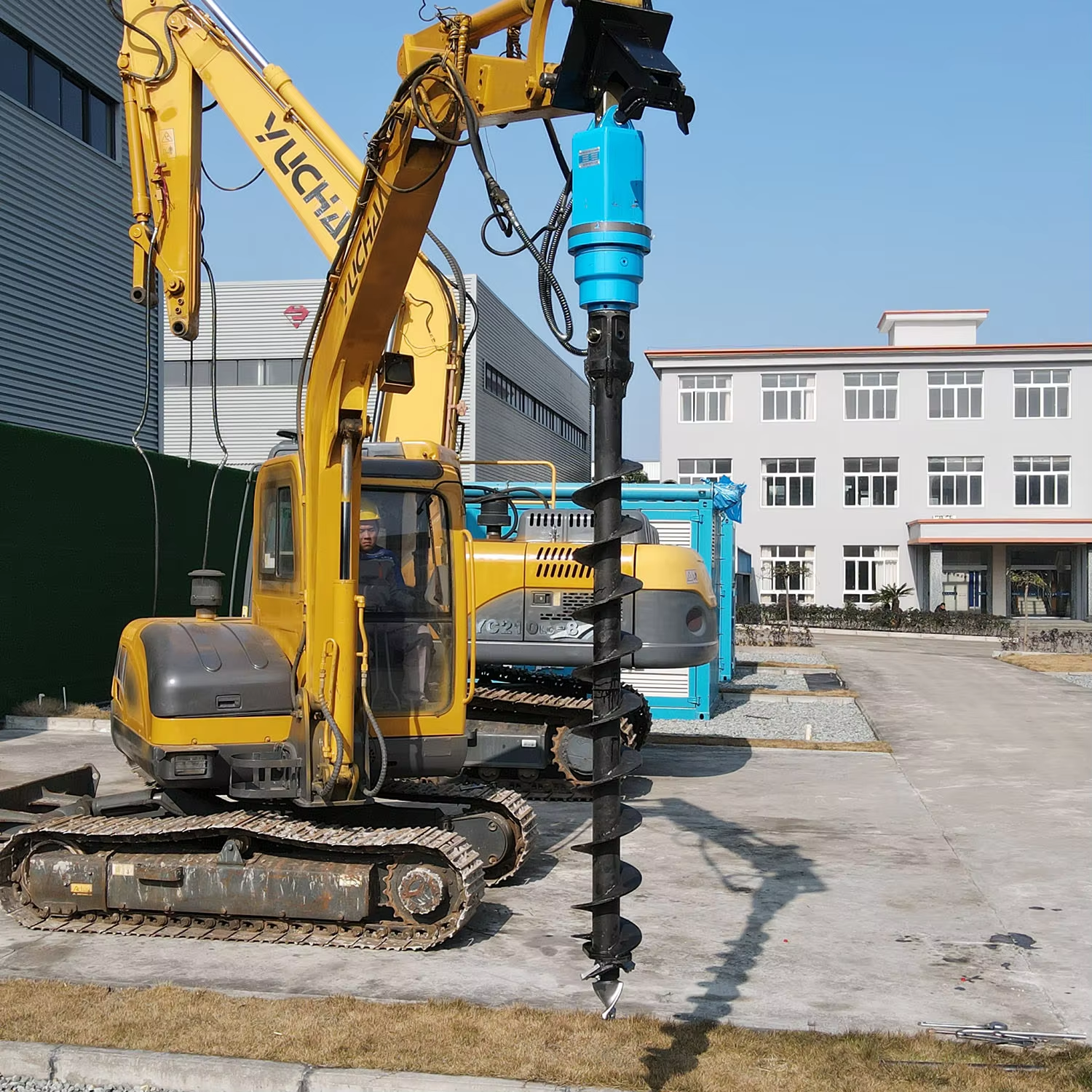
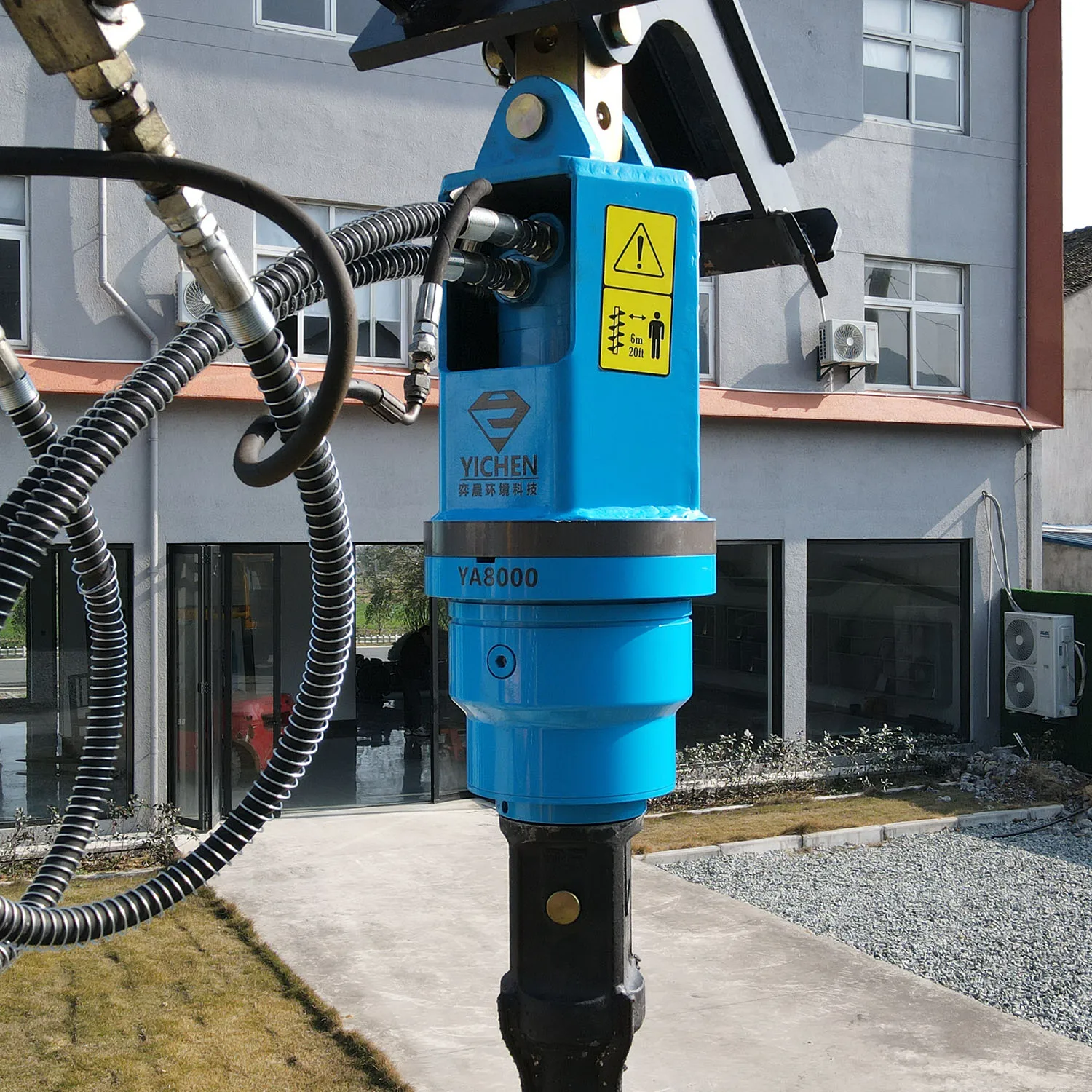
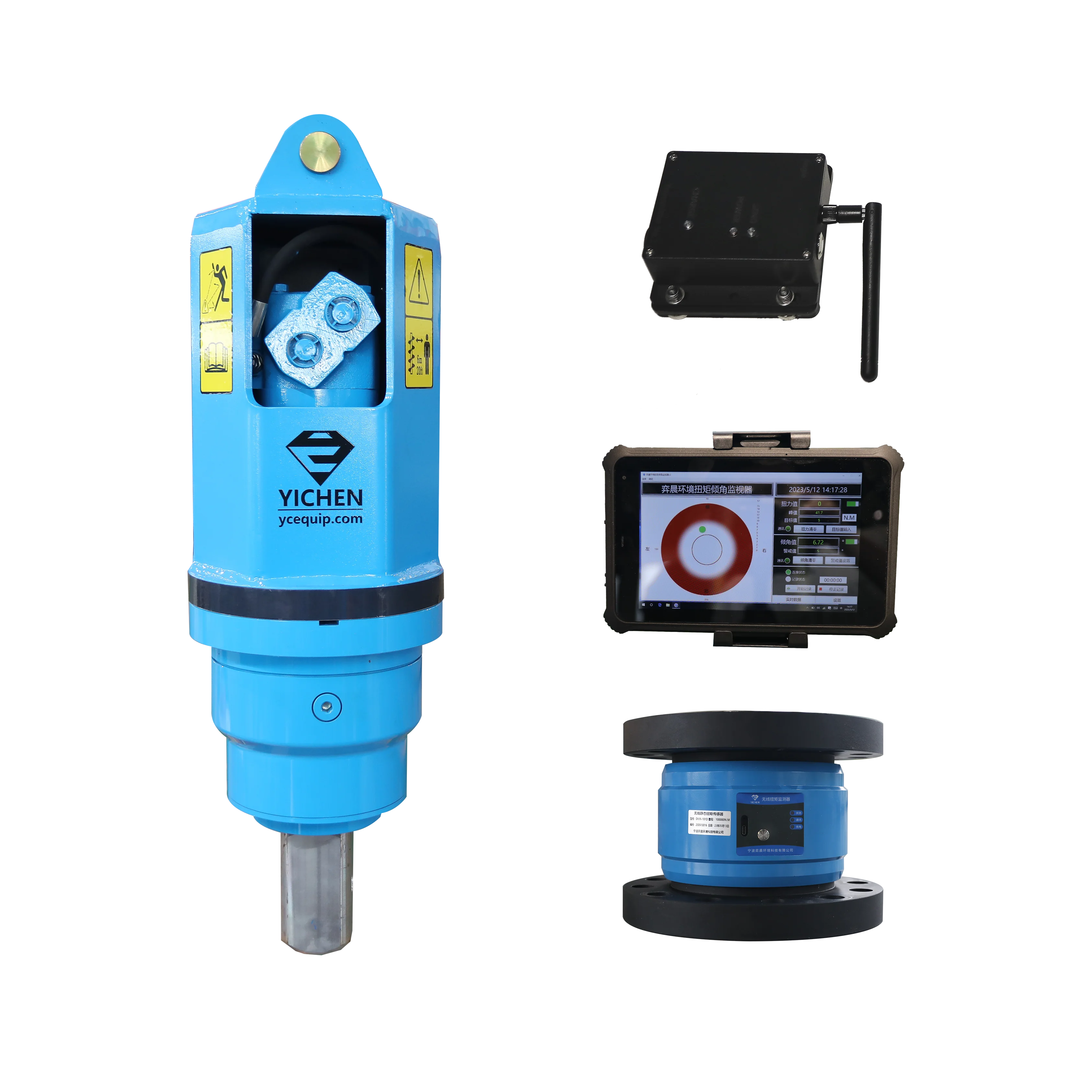
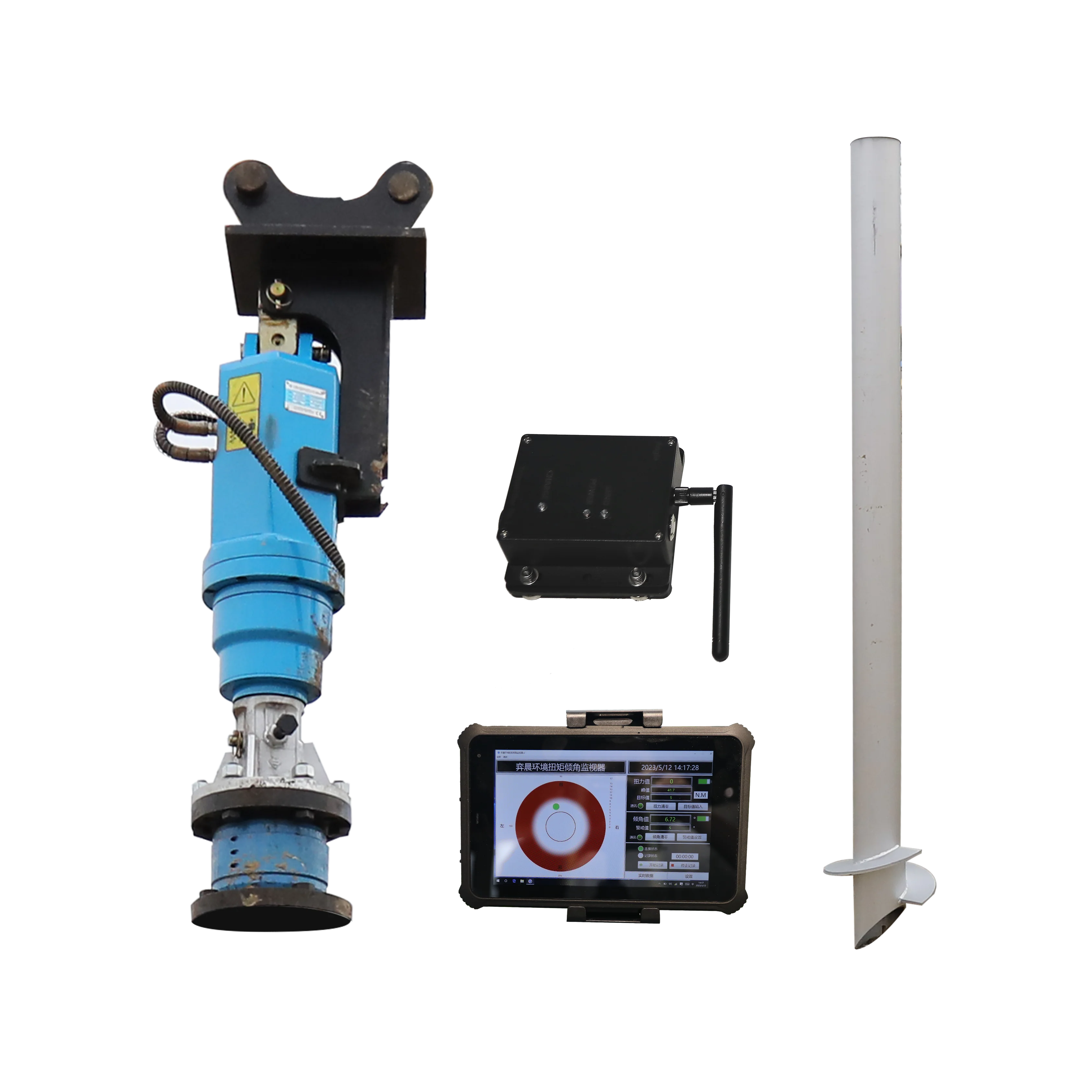
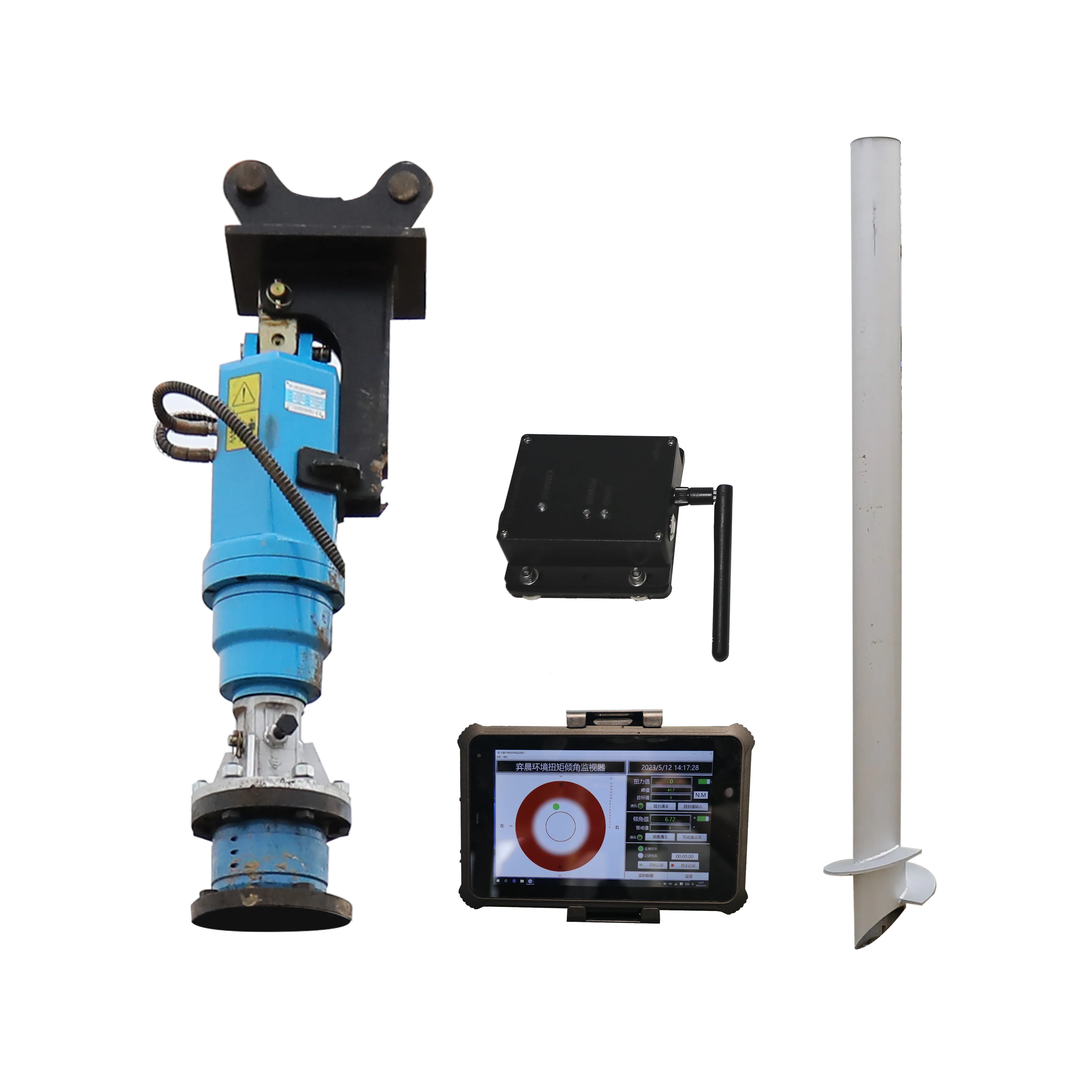
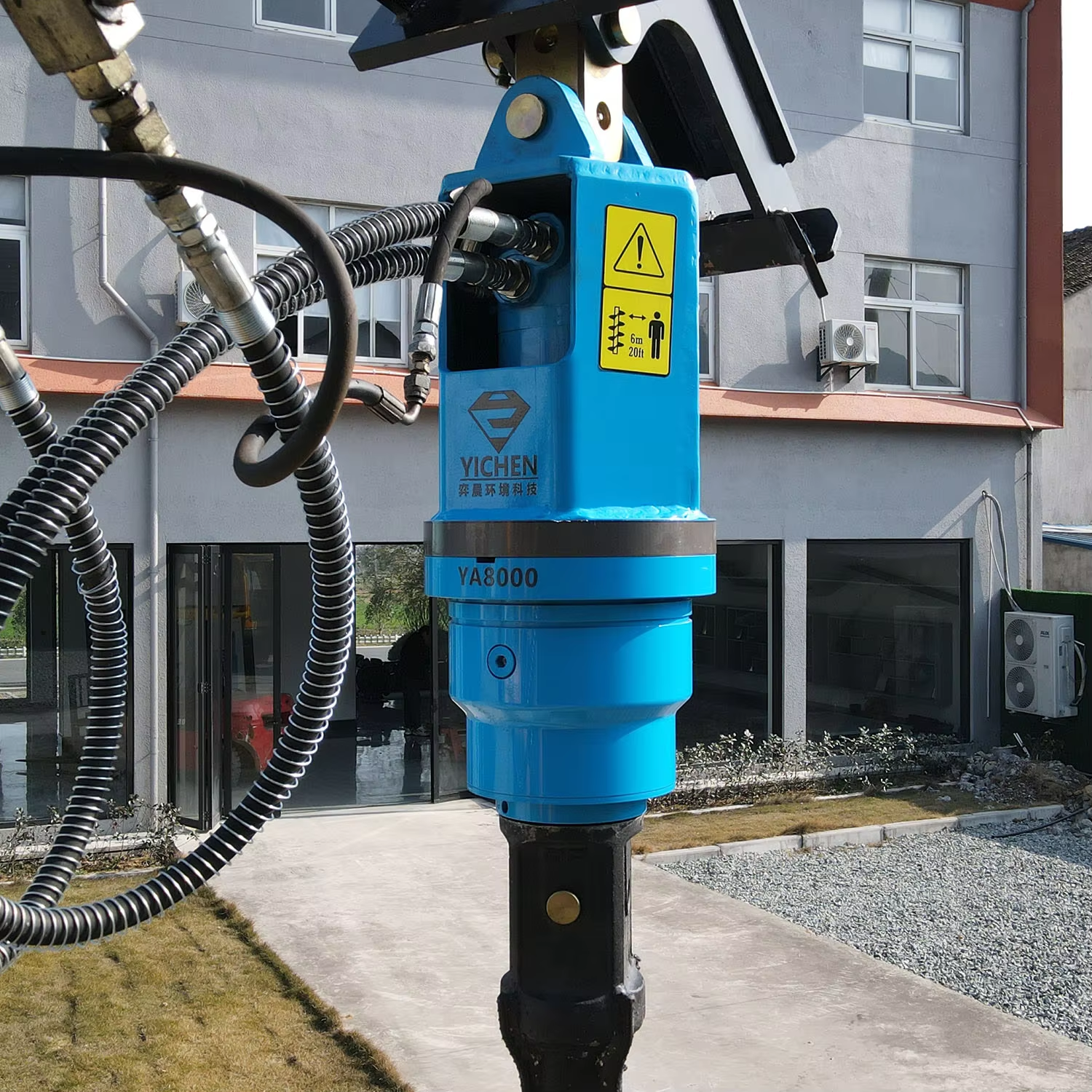
The primary significance of helical pile solutions lies in their immediacy. Traditional concrete footings require excavation, forming, curing time, and often, soil removal. A helical pile, by contrast, is a manufactured steel shaft with helical plates that is screwed into the ground using hydraulic torque motors. This mechanical installation offers three distinct advantages that concrete cannot match. First, there is zero curing time. In the construction industry, time is money. With poured concrete, you wait days for the cure. With helical piles, the load capacity is achieved instantly upon reaching the targeted torque, allowing you to set the pile and frame on it the same day. Second, they offer minimal disturbance. These systems are low vibration and low noise, making helical pile solutions the preferred choice for sensitive sites, such as those near historic structures, in environmentally protected wetlands, or on brownfield sites where soil spoils are contaminated and expensive to haul away. Third, they provide immediate verification. Engineers don't have to guess if the concrete pier is good. Modern helical piles are installed with computerized monitoring equipment that records torque, which correlates directly to geotechnical capacity, providing real-time proof of performance.