EN
EN

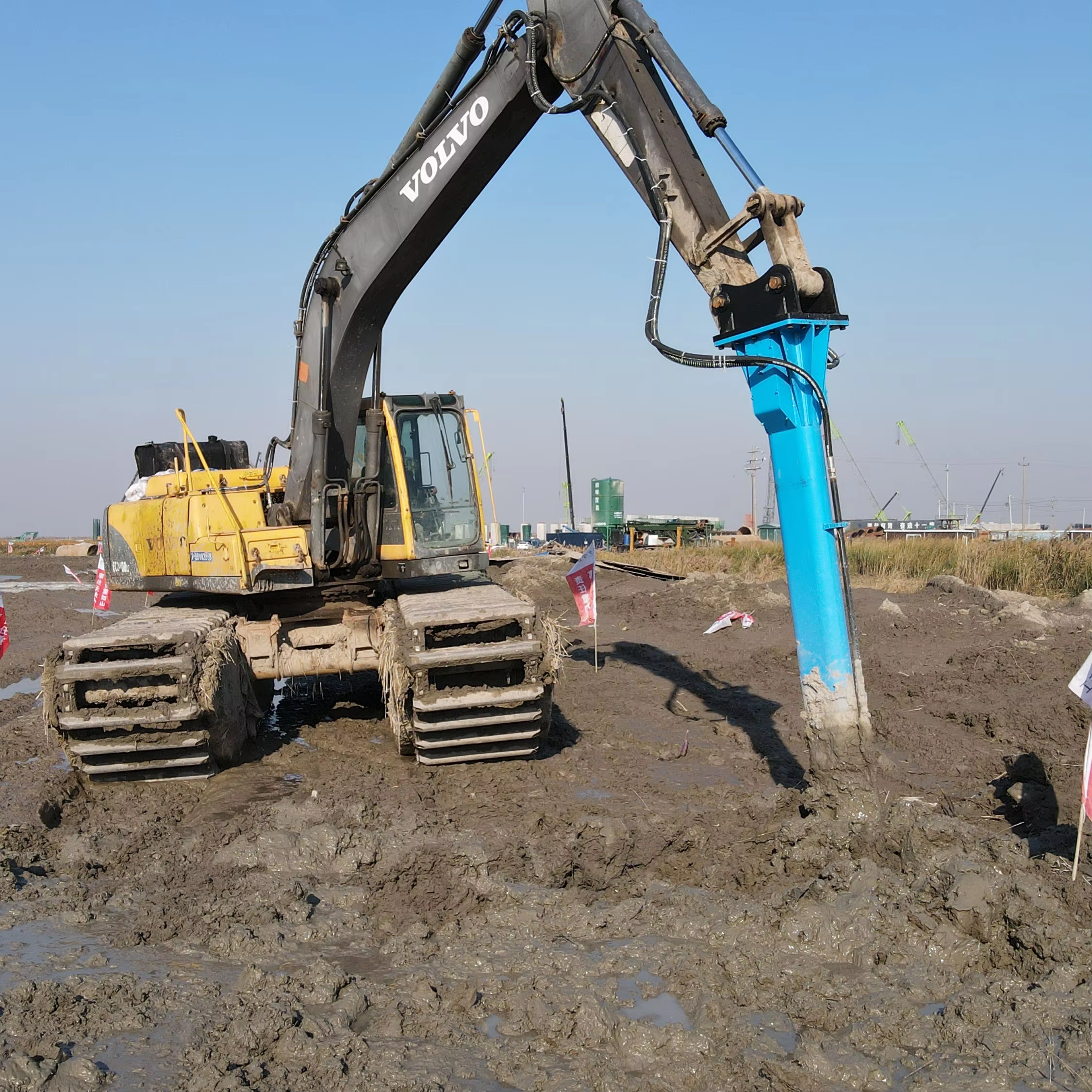
What Is Soil Stabilization and Why It Matters in Construction
Defining soil stabilization for construction projects
Soil stabilization basically means using engineering methods to make dirt stronger so it can hold up under buildings or roads. When engineers mix things like cement, lime, or special chemicals into regular soil, they're actually making it better at holding weight, less likely to wash away when it rains, and generally more stable overall. The market for these kinds of soil fixes has been growing fast lately. A recent report from 2024 shows that around $4.8 billion is being spent worldwide on infrastructure projects in areas prone to flooding or earthquakes. Makes sense really since places where the ground tends to shift or get washed out need extra reinforcement to keep structures safe and functional.
The role of soil stabilization in infrastructure longevity
When soil is properly stabilized, it creates a solid base for all sorts of infrastructure including roads, bridges, and buildings. This kind of groundwork can cut down on maintenance expenses by around 40 percent according to ASCE data from 2023. The real benefit comes from preventing problems like ground sinking or soil turning liquid during earthquakes, which means structures last longer even under constant traffic or harsh weather conditions. Cities that focus on getting their soil stabilization right see fewer road issues too. Studies show these optimized methods lead to about 25% fewer pavement cracks and potholes after ten years, making them essential for building cities that stand the test of time without breaking the bank.
Overview of common types of soil stabilization methods
Three primary techniques dominate modern construction:
| Method | Mechanism | Materials Used | Best For |
|---|---|---|---|
| Mechanical | Compaction, geogrid insertion | Gravel, crushed rock | Road bases, slopes |
| Chemical | Binder reaction | Cement, fly ash, slag | High-load foundations |
| Biological | Microbial cementation | Bacteria, biopolymers | Eco-sensitive projects |
Chemical methods account for 62% of stabilization projects globally due to their cost-effectiveness, while biological alternatives are gaining traction for reducing CO2 emissions by up to 30% compared to traditional cement-based approaches.
Deep Soil Mixing: Principles, Applications, and Advantages
How the Deep Soil Mixing (DSM) Technique Enhances Ground Strength
Deep soil mixing, or DSM as it's commonly called, works by combining weak soils with materials such as lime, fly ash, maybe even regular cement to form those stable columns or walls underground. The results? Soil that can support much heavier loads than before, sometimes up to ten times stronger actually. That makes this technique really useful when dealing with those problematic soft clay areas or organic soil layers that just won't hold anything properly. What sets DSM apart from other methods is how deep it goes. While most treatments only fix things at ground level, DSM can reach down over 50 meters into the earth, which means foundations for big structures stay solid all the way through. We've seen great success with this method along coastlines where buildings need protection against liquefaction during earthquakes, yet still want water to pass through naturally rather than getting blocked completely.
In Situ Soil Mixing and Homogenization for Improved Integrity
When binders get mixed right into the existing soil, DSM creates materials that have pretty much the same properties throughout, which means no more those weak spots we usually see in layer-based stabilization methods. The whole process has these real time monitoring systems that tweak things on the fly - changing how fast they mix and what ratio of binder to use while everything's happening. This results in pretty consistent strength measurements between 0.5 and 5 MPa when tested without confinement. For areas prone to earthquakes, this kind of uniformity really matters because if parts of the ground are stiffer than others, it actually makes buildings experience more stress during tremors. Most engineers would agree that getting this kind of consistency pays off big time in regions with seismic activity.
Case Study: DSM in High-Load Foundation Projects
A 2023 highway overpass project in soft alluvial soils used DSM to support 12-meter-deep abutments. Contractors installed 1,200 soil-cement columns (1.2m diameter) over six weeks, reducing differential settlement by 92% compared to stone column alternatives. Post-construction monitoring showed bearing capacities exceeding 300 kPa—surpassing the 200 kPa design requirement.
Advantages of DSM Over Traditional Soil Improvement Methods
| Criterion | Deep Soil Mixing | Vibro Compaction | Jet Grouting |
|---|---|---|---|
| Soil Compatibility | Soft clays, organics | Clean sands/gravels | Most soils |
| Depth Capacity | Up to 50m | Up to 40m | Up to 60m |
| Environmental Impact | Low disturbance | High energy use | Chemical slurry waste |
Key benefits include:
- Cost Efficiency: 20–30% savings over jet grouting in projects exceeding 15m depths
- Minimal Vibration: Safe for urban sites near existing structures
- Immediate Load-Bearing: No curing delays required for most binder mixes
Excavator-Based Soil Mixing Systems: Efficiency and Field Performance
How Excavator-Based Soil Mixing Systems Improve On-Site Efficiency
Soil mixing systems attached to excavators have really changed how construction projects get done, basically merging digging and ground stabilization all at once. The machines come equipped with special hydraulic tools that mix the earth right there on site with stuff like cement or lime to strengthen it. According to research from last year, contractors who switched to these bucket mixing systems saw about half the manual work needed and finished jobs roughly two weeks faster than old school methods. What makes these systems so effective is their ability to thoroughly mix everything together consistently. This matters a lot when meeting those strict ASTM requirements for soil strength that most construction specs demand nowadays.
Integration With Reclaimer/Stabilizer Machinery for Continuous Operation
Top performing systems these days combine excavator mounted mixers with towed reclaimers for what's called closed loop stabilization work. What this setup does is let workers dig up bad soil, mix in stabilizing agents right there on site, then put the treated material back into place all without stopping work between steps. We saw some pretty impressive results at a levee repair job near Nanjing last year where crews were able to get about 35% more done each day compared to when they used separate machines for each task. Another big plus is the fuel savings. These integrated systems cut fuel use down around 22% because they distribute hydraulic power much more efficiently. A recent study published in early 2024 confirmed this finding across multiple construction sites nationwide.
Field Performance Data From Industrial Trials
A 12-month trial by a major Asian infrastructure contractor evaluated excavator-based mixing systems in soft clay conditions:
| Metric | Result | Industry Benchmark |
|---|---|---|
| Cycle Time Reduction | 40% faster than auger systems | 25% faster |
| Additive Utilization | 15% less cement required | 5-10% savings |
| Compressive Strength | 2.8 MPa at 28 days | 2.0 MPa |
The system achieved 98% homogeneity in treated soil columns, exceeding the 90% threshold for highway subgrade applications. Post-construction monitoring showed no settlement in test sections after 12 months of heavy truck traffic, validating the long-term stability of this approach.
Chemical Stabilization: Additives and Sustainable Mix Design
Mechanisms of chemical stabilization using cement, lime, and fly ash
When added to soil, cement, lime, and fly ash change how the ground behaves by holding together loose particles and making it less porous. Cement boosts strength when water reacts with it during mixing, whereas lime works differently by swapping ions which makes clay less sticky and easier to work with. Fly ash comes from burning coal and actually helps make soil last longer over time because it fills tiny gaps between particles. Research published in 2022 showed that adding lime to clay rich soils increased their ability to hold weight by about 35% within three months. Engineers often combine these materials since they complement each other so well, turning problematic soils into stable bases for roads, slopes, and building supports across construction projects worldwide.
Optimizing soil stabilization materials for performance and cost
Getting the right balance between what something costs and how well it works means looking at what kind of soil we're dealing with and what the specific project needs are. Recent studies from last year showed that mixing cement with lime can actually cut down on material costs by around 18 to 22 percent when working with sandy soils instead of just using pure cement all the time. Tests done out in the field have found something interesting too: when replacing more than 20% of the cement with fly ash, structures still hold up just fine but leave a much smaller environmental impact. More and more engineers these days are turning to computer models to figure out the best mix for each job. These tools help them create customized blends that cure about 12 to 15% faster than traditional methods, and they still meet those strict ASTM strength requirements everyone has to follow.
Environmental impact and sustainability of chemical additives
Chemical stabilization definitely improves how soils perform, but we need to take a closer look at what it does to the environment. Making lime releases between 0.8 and 1.1 tons of CO2 for every ton produced, which is why many are turning to things like fly ash as alternatives. According to a recent report on sustainable infrastructure from 2023, using recycled fly ash cuts down landfill waste by about 60 percent when applied to stabilization work. There's also emerging interest in new bio-based additives made from lignosulfonates that seem promising. Early tests suggest these can reduce carbon emissions by around 40%. Standards such as ISO 14001 are increasingly pushing manufacturers to adopt greener methods for stabilization without compromising on the actual engineering properties of the soil.
Evaluating the Overall Benefits of Soil Stabilization
Key benefits of soil stabilization: Cost savings, load capacity, and environmental impact
Soil stabilization techniques these days can cut down on project expenses around 40 percent when compared with old school soil replacement approaches. Plus they boost how much weight the ground can hold somewhere between double and triple what it was before. Looking at some recent research from last year, folks who study these stabilization stuff discovered that adding lime or cement really ramps up the strength of the underlying soil layers to somewhere between 15 and 25 MPa. That means roads and other structures can handle way more traffic without falling apart. Contractors love this because it cuts down on trash going to landfills by roughly half to three quarters. Instead of digging up bad soil and trucking it away somewhere else, workers just fix it right where it is at the construction site itself.
ROI analysis from urban retaining wall and foundation projects
Looking at recent construction work shows just how much money soil stabilization can save. Take this commercial project down in LA where they mixed deep soil to strengthen about 12 thousand square meters of really soft clay ground. The savings came out to around $218k compared to what it would have cost using traditional pile foundations. What's interesting is that this method actually cut down on construction time too. They saved nearly 19% because there was no need to wait for those expensive imported fill materials to arrive. City workers have noticed something else too. Roads built with stabilized bases tend to last between 10 and 15 years before needing major repairs. That's way longer than the typical 4 to 7 year lifespan seen in regular road sections. When looking at all these factors together, the total lifetime costs drop by about 34 percent according to urban infrastructure reports from 2024.
Balancing long-term durability with initial investment costs
Stabilization systems do come with a price tag that's around 15 to 25 percent higher than standard excavation methods, but most experts agree this extra investment makes sense when looking at the long term. These systems can last well over 30 years, which means they actually save money in the end despite the higher starting cost. When we look at soil performance, compacted and chemically treated materials hold onto about 92 to 97 percent of their original density even after many years on site. Compare that to regular soils which tend to lose between 70 and 80 percent of their strength over time. Most engineering firms suggest setting aside somewhere between 8 and 12 percent of total project funds for proper stabilization work. Experience shows this usually pays off pretty quickly too, often within just three to five years thanks to fewer repair needs and structures that simply last longer without major issues.
FAQ
What is soil stabilization in construction?
Soil stabilization involves using engineering techniques to strengthen soil so it can support buildings or roads. This process typically includes mixing additives like cement, lime, or chemicals into the soil to increase its load-bearing capacity and resistance to erosion.
How does soil stabilization contribute to infrastructure longevity?
Proper soil stabilization provides a durable base for infrastructure, reducing maintenance expenses and preventing issues like ground sinking or soil liquefaction during earthquakes, thereby extending the lifespan of structures.
What are the main types of soil stabilization methods?
The three primary types of soil stabilization methods are mechanical (using compaction and geogrids), chemical (using binders like cement and lime), and biological (using microbial techniques). Each method is best suited for different conditions and project requirements.
What is Deep Soil Mixing (DSM) and its advantages?
DSM combines weak soils with stabilizers like lime and cement to form stable columns or walls underground. It's particularly beneficial for problematic soil layers, supporting heavier loads and reaching depths over 50 meters, which provides comprehensive support for large structures.
How do excavator-based soil mixing systems enhance efficiency?
Excavator-based systems merge digging and stabilization processes, minimizing manual labor and speeding up construction projects. These systems allow thorough and consistent soil mixing, meeting strict soil strength requirements efficiently.
Table of Contents
- What Is Soil Stabilization and Why It Matters in Construction
- Deep Soil Mixing: Principles, Applications, and Advantages
- Excavator-Based Soil Mixing Systems: Efficiency and Field Performance
- Chemical Stabilization: Additives and Sustainable Mix Design
- Evaluating the Overall Benefits of Soil Stabilization
- FAQ