EN
EN

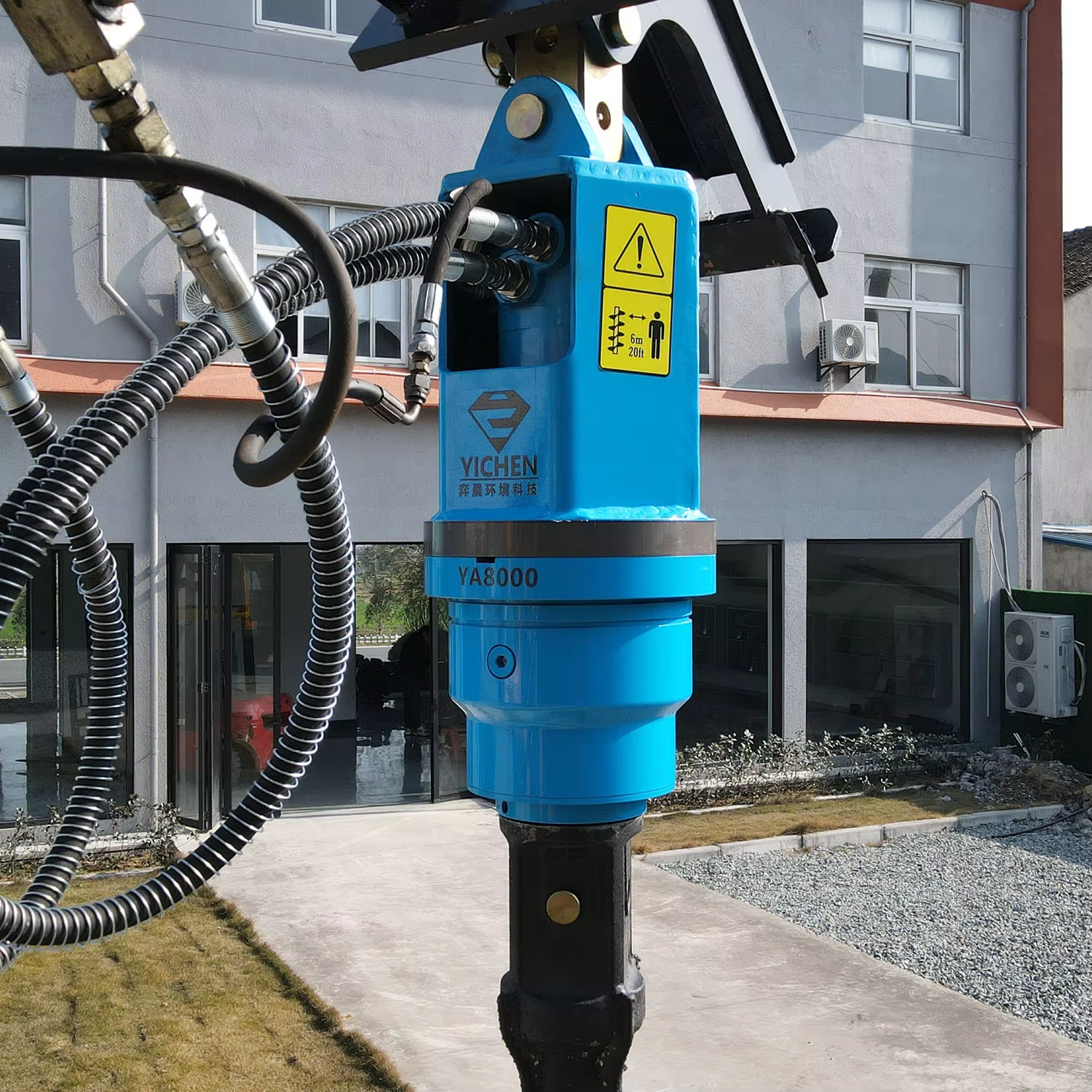
Power Source Fundamentals: Hydraulic vs. Manual Excavator Augers
Core Functional Differences Between Hydraulic and Manual Power Systems
What really sets apart hydraulic from manual excavator augers is how they get their power. Manual versions depend completely on what the operator can physically do to spin the boring tool around. These work best when digging shallow holes in soft ground for small jobs. Hydraulic augers are different though. They tap into the excavator's own hydraulic system which gives them steady power to twist things around with much less strain on whoever's operating the machine. Because of this setup, workers can drill much deeper and quicker even through tough terrain where trying to do it manually just wouldn't make sense safety wise or practically speaking.
Industry Trends: Growing Adoption of Hydraulic Excavator Augers in Mid-Sized Construction
Construction companies of moderate size have started switching over to hydraulic excavator augers because these machines work better and need fewer workers on site. This trend is part of what's happening across the whole construction sector right now as businesses look for ways to get more done with less help from people. Hydraulic systems are becoming the go to choice for jobs that involve drilling lots of deep holes or dealing with tough compacted soil conditions. Try doing those same tasks manually and watch how long it takes plus all the extra money spent on labor costs. The math just doesn't add up when compared to what hydraulics can deliver.
Application-Based Selection: Matching Auger Type to Project Scope and Requirements
When choosing between hydraulic and manual excavator augers, the decision mostly comes down to what the job requires and what kind of ground we're dealing with. Manual models work great for lighter jobs such as taking soil samples, doing some landscaping around the yard, or putting in fence posts where the dirt isn't too tough. But when it comes to real construction work foundations, digging through hard clay, breaking through rocks, or just needing to get a lot done quickly, hydraulic systems are the way to go. They deliver the muscle needed for these tougher situations without breaking a sweat. Getting this right matters because picking the wrong tool can mean either not getting enough done or wearing out equipment faster than expected.
Torque, Speed, and Drilling Efficiency Across Soil Types
How Torque and Rotational Speed Impact Excavator Auger Performance
When it comes to how well an excavator auger works, two main factors stand out: torque and rotational speed. Torque basically gives the machine the muscle power it needs to crack through hard stuff, whereas rotational speed determines just how fast dirt gets pulled out of holes. On soft ground types such as sand or loose earth, machines can spin pretty fast sometimes reaching around 360 revolutions per minute which helps clear out material much quicker and finish jobs faster too. But things get tricky when dealing with packed soil, actual rocks, or even frozen ground where brute strength matters most. Most folks who operate these machines know this all too well. According to field reports, roughly nine out of ten operators will always go for maximum torque first whenever they encounter unpredictable or really tough terrain conditions. This preference makes perfect sense given what happens underground during excavation tasks.
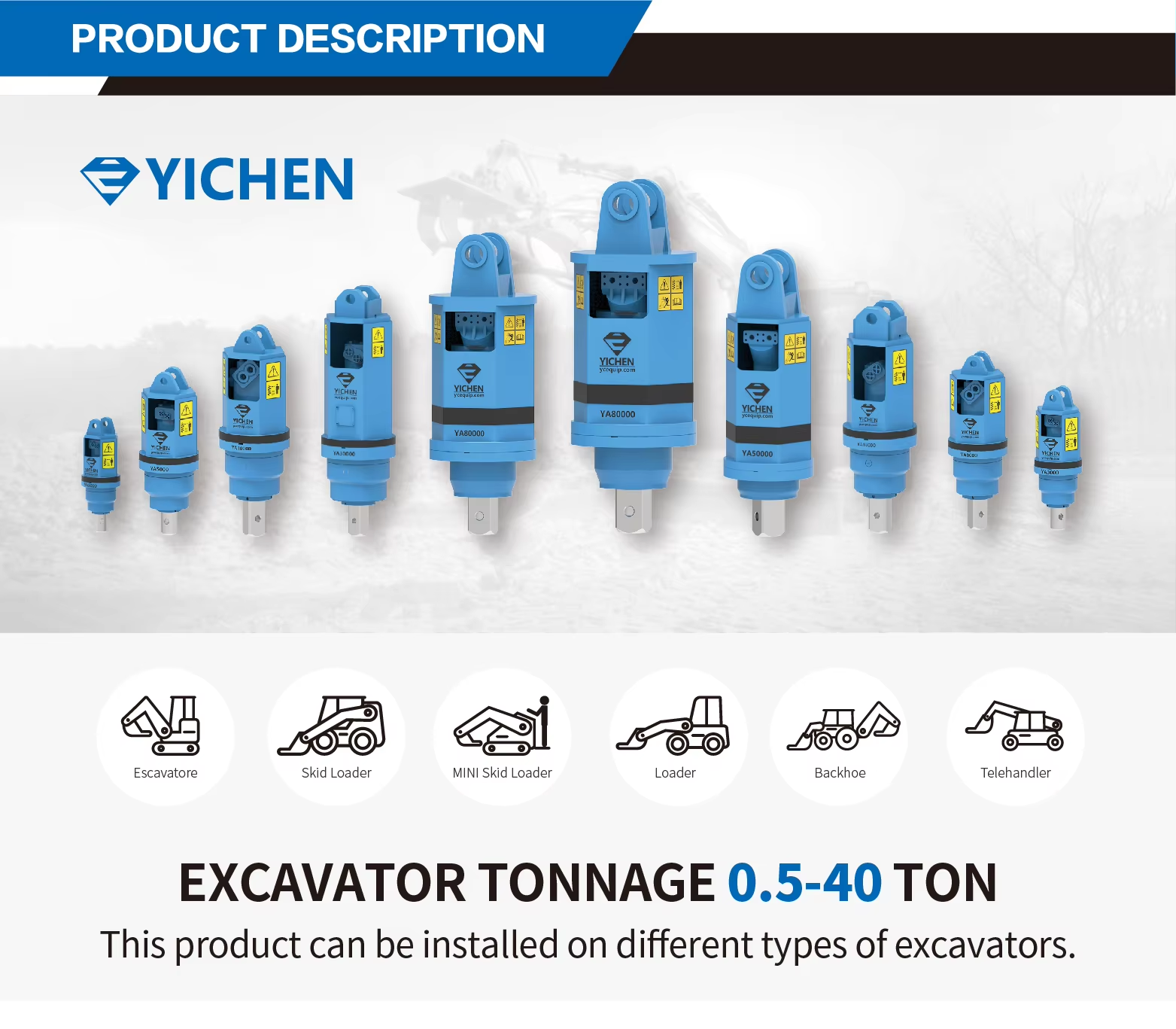
Balancing High Torque with Drilling Speed in Variable Ground Conditions
Getting the mix right between torque and speed means looking at what kind of soil we're dealing with on site. Sandy ground or loose loam works best when we crank up the drilling speed since it helps clear out all those cuttings faster. But things get tricky with dense clay, rocky areas, or frozen surfaces where we need serious torque to break through without getting stuck. That's where hydraulic augers shine because they keep putting out steady power no matter what gets thrown at them. Mechanical systems might be quicker in good conditions, but they just don't have the muscle needed for tougher jobs. When digging deeper holes or going wider, torque really matters for keeping everything under control and avoiding that frustrating binding effect that stops progress dead in its tracks.
Soil Conditions and Ground Compatibility for Optimal Auger Performance
Performance of Hydraulic vs. Manual Augers in Hard, Rocky, and Clay-Dense Soils
What kind of soil we're dealing with makes all the difference between hydraulic and manual augers working well. When faced with tough rocky ground, hydraulic systems just plain work better because they can handle much more torque and keep going strong through tough spots. According to YcEquipments research from last year, picking the wrong type of auger accounts for almost 30% of those frustrating foundation project delays in difficult terrain. The big advantage of hydraulics becomes obvious when they hit embedded rocks or really compacted layers - these machines keep spinning while manual units tend to lock up and need constant attention from operators who have to stop and restart them repeatedly. For dense clay soils, look for hydraulic models that offer variable speed settings since this helps prevent material from building up along the flighting which causes sticking problems and makes retraction difficult. Plus, their stronger cutting power means less deflection happens in mixed soils where density changes unexpectedly throughout the hole.
Selecting the Right Excavator Auger Based on Site-Specific Ground Challenges
Choosing the optimal auger requires analyzing ground conditions and project demands. For sandy or loose soils, standard flight augers work well with either system. However, in compacted clay or rocky substrates, hydraulic augers with rock-specific configurations offer clear benefits in durability and efficiency. Key considerations include:
- Soil density analysis: Conduct preliminary testing to assess compaction and potential obstructions
- Auger diameter: Larger diameters (12–36 inches) require hydraulic power for stable operation in hard soils
- Cutting edge design: Tungsten carbide teeth are critical for rocky conditions; specialized blades improve clay removal
- Power compatibility: Match excavator hydraulic flow and PSI ratings to auger requirements to avoid underperformance
Proper selection reduces equipment stress, prevents operational fatigue, and avoids costly delays. Always align soil data with manufacturer specs to ensure reliable performance across variable conditions.
Operator Safety, Fatigue Reduction, and Worksite Efficiency
How Hydraulic Augers Reduce Operator Fatigue and Improve Control
Hydraulic excavator augers cut down on physical strain when compared to old school manual systems. Instead of relying on brute force to turn things, operators just move a joystick around, which means no more sore muscles after hours of work. These machines deliver power smoothly so workers can stay accurate throughout their whole shift without getting tired out halfway through. Some studies looking at different kinds of heavy equipment suggest that better designed machines might actually make people work faster too something like a 20% jump in productivity when folks aren't exhausted all the time. What really matters though is how these tools let operators adjust both speed and strength precisely. This makes the machine respond better, cutting down on those annoying jerky movements or sudden stops that often cause mistakes or wreck expensive parts.
Safety Advantages of Hydraulic Systems in Confined or High-Risk Work Zones
When working in tight spots or dangerous locations, hydraulic augers offer a safer alternative because they allow for remote operation. Workers don't have to stand right next to where the drilling happens, so they avoid getting hit by chunks of earth, dealing with shifting ground, or experiencing those sudden kicks back that happen sometimes. Around trenches or close to buried pipes and cables, the fine control these machines provide really cuts down on the chances of hitting something unexpected or causing a collapse. The steady power flow also means no surprise twists and turns that often come with older manual setups, something that matters a lot when the ground isn't stable. For folks doing jobs in city environments, on hillsides, or anywhere there are things hanging overhead like power lines, having this kind of equipment makes all the difference between getting the job done safely and facing serious problems down the road.
Machine Compatibility and Technical Specifications for Peak Performance
Matching Hydraulic Flow, PSI, and Machine Weight to Auger Drive Requirements
Getting good results from a hydraulic auger depends on matching up three main specs: how much fluid flows through it (measured in gallons per minute or GPM), the system pressure (in pounds per square inch or PSI), and the weight of the excavator itself. When there isn't enough flow, the auger just spins slowly. Not having sufficient pressure means it can't generate enough twisting force either. For most standard jobs in soils that aren't too hard, around 15 to maybe 25 GPM along with pressures between 2,500 and 3,000 PSI works pretty well. What many people forget is that the machine's weight matters too. Lighter excavators often don't have enough mass to stay stable when doing heavy duty drilling. This makes them prone to shifting around or even tipping over while working, which nobody wants to see happen on site.
Avoiding Underperformance: Ensuring Proper Excavator and Auger System Integration
When hydraulic augers don't perform as expected, most problems trace back to issues with system integration. According to recent research published last year, about 4 out of every 10 instances where an auger stops working properly are actually due to components not matching up correctly between the excavator's hydraulics and the auger itself. There are several key things to watch for here. First off, making sure the couplers fit together properly is essential. Then there's the matter of getting hydraulic hoses that can handle the full pressure range without failing. And finally, picking the right drive motor matters too it needs to match what kind of flow and pressure the machine can actually deliver. Something else operators should check? The excavator's auxiliary hydraulic circuit needs to be able to run continuously, not just work intermittently. Machines set up for stop-start operation tend to give unpredictable results and wear out parts faster than they should.
FAQ
Why have hydraulic excavator augers become popular in mid-sized construction?
Hydraulic augers are preferred for their efficiency and reduced labor requirements. They are more effective at handling deep holes and tough soil conditions, which are common in mid-sized construction projects.
How do torque and speed affect auger performance?
Torque provides the power needed to break through hard surfaces, while rotational speed dictates how quickly material is removed. High torque is essential for dense or rocky soils, whereas speed is more crucial for loose or sandy soils.
What factors should be considered when selecting an excavator auger?
Key factors include soil density, auger diameter, cutting edge design, and power compatibility with the excavator's hydraulic flow and PSI ratings. Proper selection based on these factors ensures optimal performance and efficiency.
How do hydraulic augers improve operator safety?
Hydraulic augers reduce physical strain and allow for remote operation, minimizing exposure to potential hazards at the drilling site. They offer precise control, which lowers the risk of accidents or equipment damage.
What are common issues related to auger underperformance?
Underperformance often results from improper system integration between the excavator's hydraulics and the auger. Ensuring correct component matching, hydraulic hose capacity, and drive motor compatibility can help avoid these issues.
What is the main difference between hydraulic and manual excavator augers?
The main difference lies in the power source. Hydraulic excavator augers utilize the excavator's hydraulic system for power, allowing for deeper and quicker drilling with reduced strain on the operator. Manual augers rely on the operator's physical effort, suitable for lighter tasks.
Table of Contents
- Power Source Fundamentals: Hydraulic vs. Manual Excavator Augers
- Torque, Speed, and Drilling Efficiency Across Soil Types
- Soil Conditions and Ground Compatibility for Optimal Auger Performance
- Operator Safety, Fatigue Reduction, and Worksite Efficiency
- Machine Compatibility and Technical Specifications for Peak Performance
-
FAQ
- Why have hydraulic excavator augers become popular in mid-sized construction?
- How do torque and speed affect auger performance?
- What factors should be considered when selecting an excavator auger?
- How do hydraulic augers improve operator safety?
- What are common issues related to auger underperformance?
- What is the main difference between hydraulic and manual excavator augers?