EN
EN

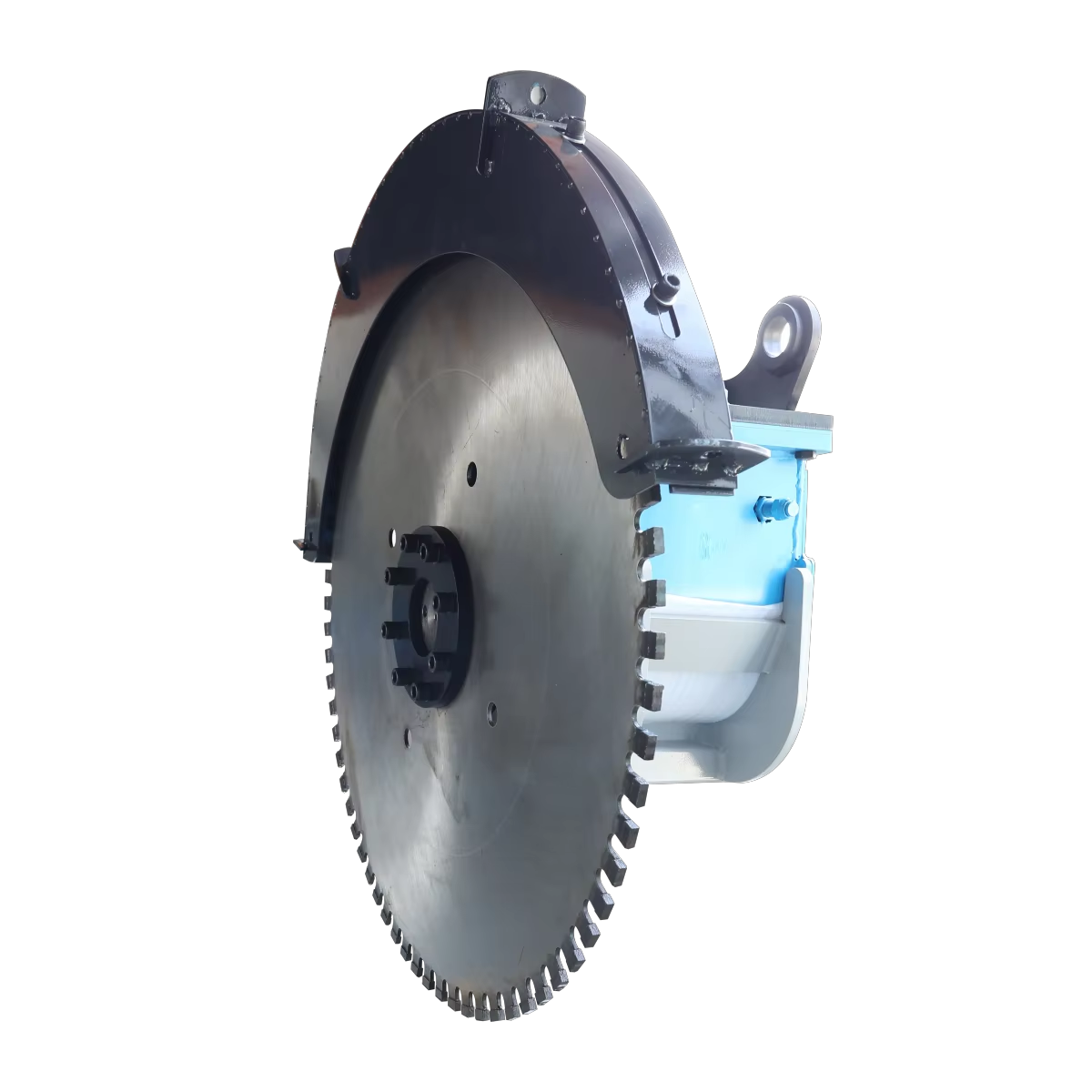
The Evolution and Growing Adoption of Rock Saws in Modern Infrastructure Projects
Rising Demand for Rock Saws in Modern Infrastructure Projects
Infrastructure development around the world has created massive demand for rock saw technology lately. Governments are pouring money into roads, bridges, and utilities while private companies expand cityscapes at breakneck speed. Contractors now need better ways to cut through tough terrain than what old school digging equipment can handle. For instance, when laying fiber optic cables under busy streets, precise cuts make all the difference between weeks of road closures and getting the job done in days. We're seeing rock saws become standard gear across construction sites and mines these days. This trend shows how the industry is moving away from destructive blasting methods towards safer, cleaner alternatives that actually protect both workers and the surrounding environment rather than just blowing things up.
How Rock Saw Functionality Meets Heavy-Duty Construction Needs
Rock saws handle tough construction jobs thanks to their powerful hydraulic systems and really good blade tech. Most models come with either tungsten carbide or diamond tipped blades that hold up well even when cutting through some pretty rough rock formations. The newer models also have GPS guidance built right in along with automatic controls which means operators can get super accurate cuts down to almost exact measurements without getting exhausted all day long. Contractors find these machines especially useful for working in city settings where space is tight, out in remote locations where access is limited, or anywhere else with tricky ground conditions. They just keep performing reliably job after job while saving money on overall operating expenses and spending less time sitting idle for repairs.
Efficiency and Cost Benefits of Rock Saws in Quarry Operations
Rock Saws vs. Traditional Drilling and Blasting: A Productivity Comparison
Rock saws these days really outperform old school drilling and blasting methods when it comes to getting work done faster. Some field tests indicate that hydraulic models can cut down quarry projects by around 60% of the time needed, plus they boost what gets taken out of the ground from roughly 83% to nearly 94%. Blasting just tears things apart too much and needs big safety zones all around, whereas modern rock saws make nice straight cuts without damaging nearby stone so much. The ability to control exactly where the cuts happen means workers can operate right next to buildings already there or work in places that have strict rules against using explosives because of environmental protections.
Labor, Time, and Operational Cost Savings in Large-Scale Quarries
Rock saws really cut down on costs for quarries in several ways. When we remove all those extra steps like setting up drill patterns, loading explosives, and cleaning up after blasts, we see about a 40% reduction in labor requirements. Plus, there's less downtime during operations. Unlike traditional blasting methods that require stopping and starting repeatedly, continuous cutting keeps things moving at a steady pace throughout the day. The machines also produce far less vibration and dust compared to blasting. This means lower costs for environmental cleanup and makes it easier to meet those tough regulations most quarries face these days. All these factors combined make rock saws a smart investment for operators looking to save money over time while still maintaining productivity levels.
Safety Considerations: Reducing Risks Compared to Explosives
Rock saws make work sites much safer because they eliminate all those dangers that come with using explosives. When blasting rock, there's always the risk of flying chunks, vibrations shaking things apart, plus all sorts of bad smells lingering around. Rock saws cut through stone in a way that's actually pretty predictable compared to blasting, which means fewer unexpected problems down the line. The newer hydraulic models come equipped with various safety features these days too. They have built-in locks that stop the machine from turning on accidentally, along with protective gear for operators working near them when pressure gets high. Plus, since rock saws create far less dust floating around in the air, workers breathe easier at quarries where dust used to be such a big problem for health issues over time.
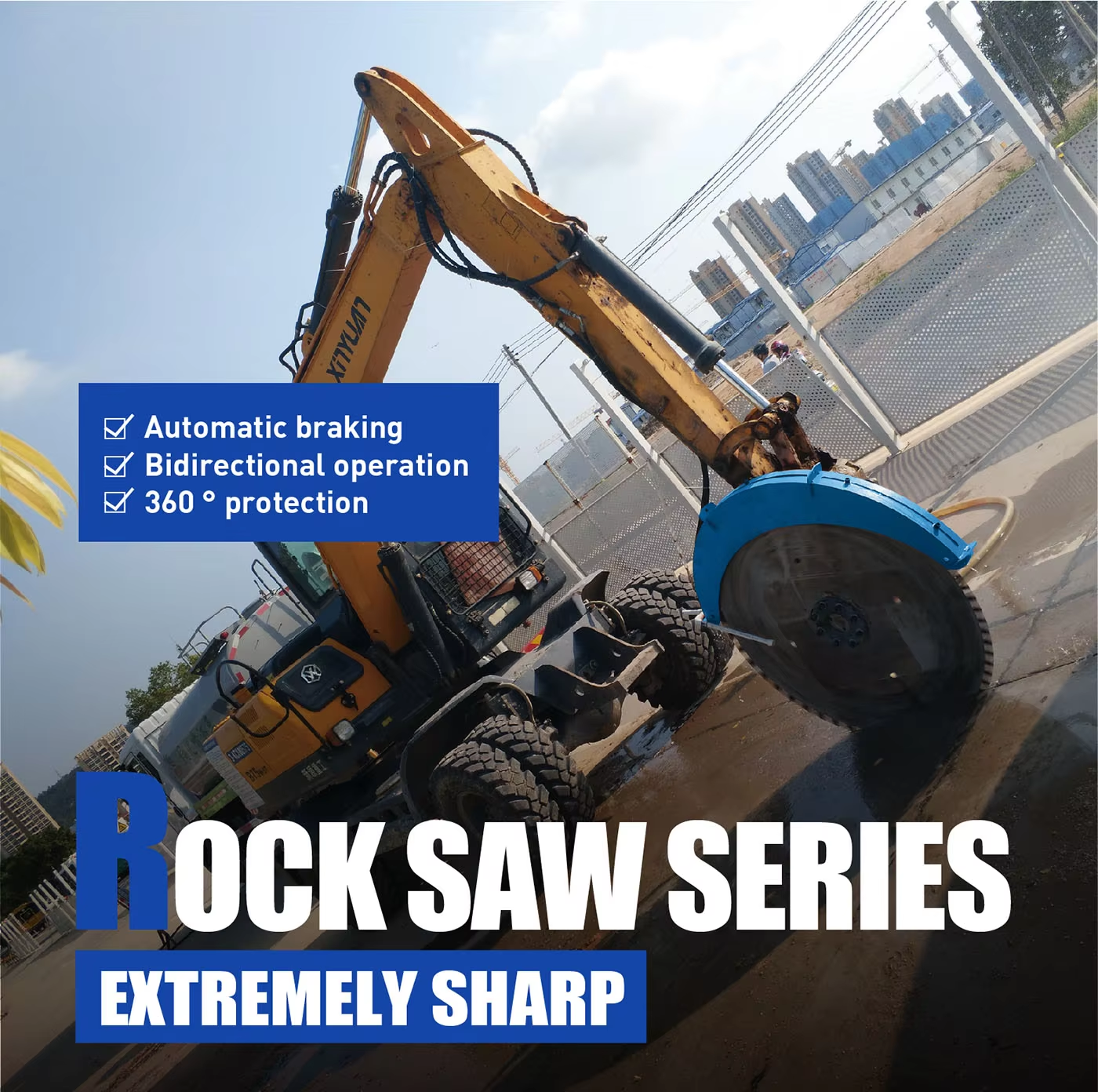
Versatile Applications of Excavator-Mounted Rock Saws Across Industries
Enhancing Precision and Mobility in Road Construction and Maintenance
Rock saws attached to excavators offer pretty accurate cuts when working on roads and their maintenance needs, which means cleaner breaks through concrete and asphalt surfaces than traditional methods. Less wasted material is one obvious plus, but workers also appreciate how these machines minimize headaches for drivers stuck in traffic during repair work. What really stands out though is how easy they are to move around. No need for hours setting things up between jobs, so crews can quickly shift positions even in tight city spaces where there's barely room to park a truck let alone operate heavy machinery. For contractors dealing with urban projects, this translates into getting jobs done quicker while still adapting to whatever surprises come their way on site.
Deploying Rock Saws in Remote or Challenging Terrain
Rock saw attachments really shine when working in those hard to reach places or areas where getting supplies is tough. These tools don't need outside power sources or water cooling systems, which makes all the difference in dry climates or rough terrain where nothing's built yet. Industry data shows something interesting too. Equipment that can handle different environments gets used about 30 percent more often in remote jobs compared to regular tools that require extra setup and maintenance. This kind of versatility saves time and money on site preparation.
Integration with Multi-Purpose Excavator Systems for Maximum Utility
Integrating rock saws with standard excavator hydraulic systems creates versatile multi-function platforms. Operators can switch quickly between digging, lifting, and cutting tasks without deploying specialized machinery, reducing capital expenditure and transport logistics. This flexibility maximizes equipment uptime and streamlines workflow transitions across different phases of a project.
Precision Cutting in Hard Rock Using Advanced Tungsten Carbide Blades
Effective Performance in Granite, Marble, and Igneous Rock Formations
Tungsten carbide blades perform exceptionally well when cutting through tough rocks such as granite, marble, and various types of igneous rock that typically have compression strengths above 60 MPa. These blades are built to withstand wear and handle impacts without losing their edge, making them last much longer even when working against rough, crystalline surfaces. What this means in practice is cleaner cuts and fewer dull spots during operation. Since they don't degrade as quickly, workers don't need to replace them so often, which keeps projects moving forward without unnecessary delays on challenging sites.
Case Study: High-Efficiency Rock Cuts in Demanding Geological Conditions
At a quarry site in the Midwest last year, workers encountered serious problems when dealing with sandstone so abrasive it wore down equipment rapidly and dense basalt formations that just wouldn't break apart easily. These challenging conditions normally bring operations to a crawl while tools get eaten away at an alarming rate. The solution came in the form of mounting a specialized rock saw onto their excavator, equipped with those new tungsten carbide blades everyone's been talking about lately. What happened next was pretty impressive actually the cutting speed jumped by around 30%, which made a world of difference on site. And because these blades lasted much longer between replacements, there were far fewer interruptions for maintenance work throughout the day. Looking back, this experience shows just how important it is to match the right cutting technology to what Mother Nature throws at us underground. Tough geology doesn't have to mean slow production anymore thanks to innovations like these, and ultimately saves money too when projects stay on schedule instead of getting bogged down.
Optimizing Blade Design for Durability and Long-Term Performance
When designing blades for tough environments, durability and long lasting performance are absolutely essential. The main components that matter most? Tungsten carbide mixed into the cutting edge, high strength steel like 42CrMo forming the main body of the blade, plus proper heat treatment processes that strike just the right balance between being hard enough to cut through rock but still tough enough not to snap. These material decisions really make a difference when blades face both side to side forces and straight on pressure from different kinds of stone formations. What this means practically is longer time between replacements, saving money on parts over time, and maintaining steady production levels even when working through challenging geological conditions.
Innovations in Rock Saw Design Driving Future Efficiency and Mobility
Engineering Advancements Enhancing Power, Control, and Reliability
Engineering advances are transforming rock saws from basic cutting tools to highly accurate equipment for tough jobs. The latest hydraulic systems provide much steadier power flow compared to older models, and many now come equipped with sensors that monitor conditions in real time. Operators can maintain top performance without constantly adjusting settings by hand, which saves time and reduces errors. Cooling technology has also improved dramatically lately. Some manufacturers have redesigned their systems so they stay cooler even after hours of continuous operation, which means longer lasting tools and fewer accidents on site. These improvements make all the difference when working on major construction projects or deep mining sites where downtime costs money and safety is critical.
Measurable Gains: 40% Faster Operations with Next-Gen Models from Yichen Environment Tech Co Ltd
The latest rock saw models from Yichen Environment Tech Co Ltd can cut through stone materials about 40 percent faster than what we saw in previous versions. The company attributes this speed boost to better blade design, smoother power delivery systems, and parts that last longer between replacements. What really makes these machines stand out though is their improved mobility package. Operators find they can move these units around job sites much quicker, especially when working on rough ground conditions where traditional equipment gets stuck or takes forever to set up. For contractors in the construction and mining sectors, all these upgrades mean real money savings over time while getting more work done per day.
FAQ Section
Why are rock saws becoming more popular in modern construction projects?
Rock saws are increasingly preferred due to their precision and efficiency. They enable contractors to make accurate cuts through tough terrains without relying on harmful blasting methods, which poses safety risks.
How do rock saws compare to traditional drilling and blasting techniques in quarry operations?
Rock saws offer greater precision and productivity compared to traditional drilling and blasting. They significantly reduce the time required for quarry projects, improve output percentages, and minimize environmental impact.
What are the key benefits of using tungsten carbide blades in rock saws?
Tungsten carbide blades provide exceptional performance in cutting tough rock formations. They maintain sharpness longer, resulting in cleaner cuts and requiring fewer replacements, thus minimizing interruptions and downtime.
How have recent innovations impacted the efficiency and mobility of rock saws?
Recent advancements in hydraulic systems, blade design, and cooling technology have greatly improved rock saw efficiency and mobility. These innovations allow operators to achieve faster operations while enhancing safety and reducing operational costs.
Table of Contents
- The Evolution and Growing Adoption of Rock Saws in Modern Infrastructure Projects
- Efficiency and Cost Benefits of Rock Saws in Quarry Operations
- Versatile Applications of Excavator-Mounted Rock Saws Across Industries
- Precision Cutting in Hard Rock Using Advanced Tungsten Carbide Blades
-
Innovations in Rock Saw Design Driving Future Efficiency and Mobility
- Engineering Advancements Enhancing Power, Control, and Reliability
- Measurable Gains: 40% Faster Operations with Next-Gen Models from Yichen Environment Tech Co Ltd
- FAQ Section
- Why are rock saws becoming more popular in modern construction projects?
- How do rock saws compare to traditional drilling and blasting techniques in quarry operations?
- What are the key benefits of using tungsten carbide blades in rock saws?
- How have recent innovations impacted the efficiency and mobility of rock saws?