EN
EN

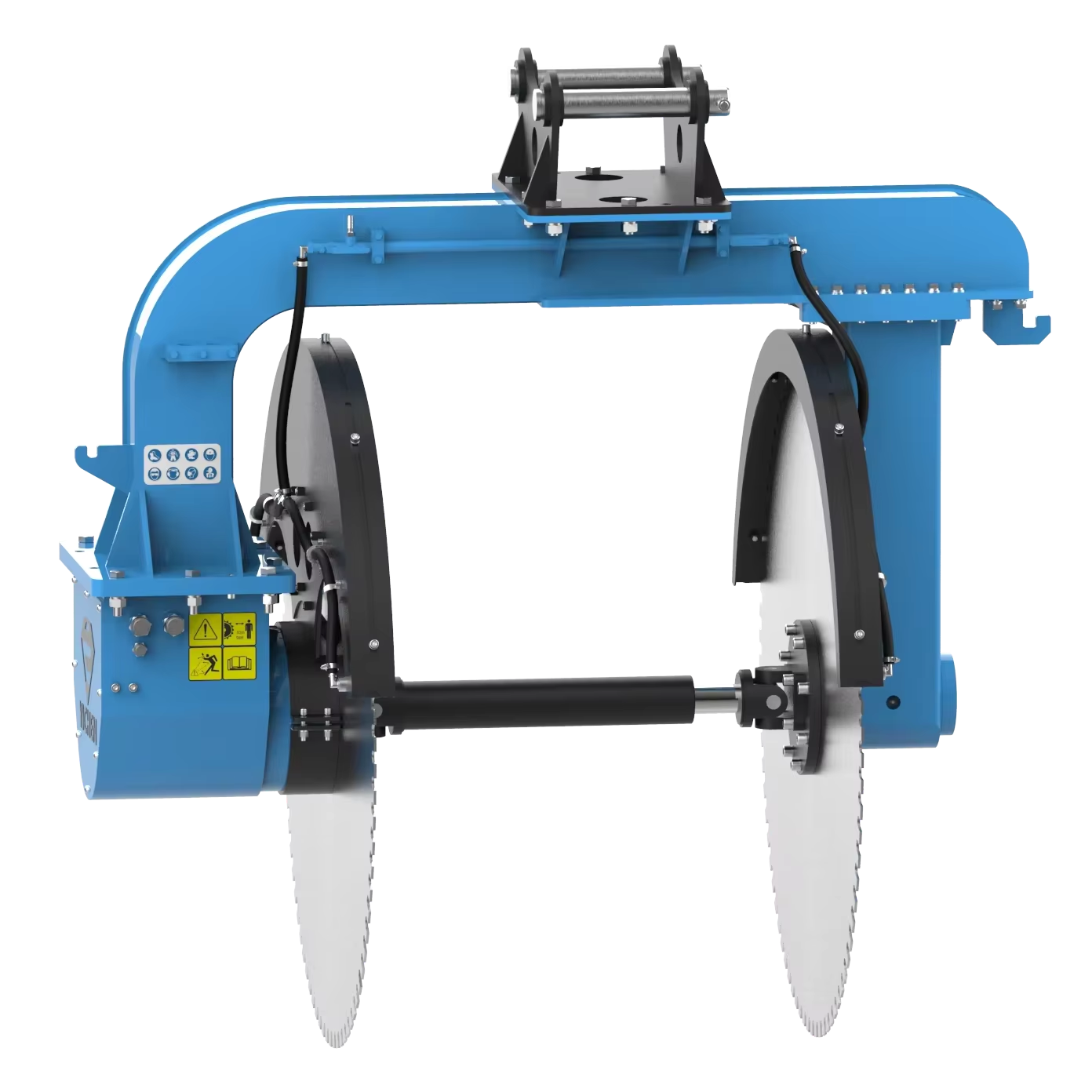
Understanding Rock Saw Attachments and Their Role in Precision Construction Cutting
What are rock saw attachments and how they enable precision cutting
Rock saw attachments connect to excavators and work using diamond blades to slice through tough stuff like stone, concrete, and reinforced structures pretty accurately. Traditional digging often depends on raw power, but these attachments make cleaner, more controlled cuts by spinning diamond blades at just the right speed. The result? Less wasted material, fewer follow-up jobs needed, and cuts so precise they hit within a few millimeters. That kind of accuracy matters a lot when building things where measurements need to be spot on and structures must hold up properly. Rock saws replace old methods involving explosives or heavy impacts, which means less disruption to the environment around construction sites and safer conditions for workers on site as well.
Hydraulic operation principles and advantages over mechanical systems
Rock saws that run off an excavator's existing hydraulics can drive their cutting blades with steady torque while varying speed as needed. Operators find this really helpful when working through different materials because they can tweak performance depending on how dense or tough the stuff is. The whole setup just works better than old school mechanical systems in several ways. For starters, these hydraulic units pack more power without adding extra weight. They also need less upkeep over time since there are fewer parts wearing out. Plus most come equipped with pressure relief valves that automatically kick in if things get too intense, which makes everyone onsite feel safer about what they're doing. Another big plus? These machines can be operated remotely so workers don't have to hang around dangerous areas during cuts. According to field reports from construction sites across the country, crews using hydraulic attachments report getting about 30 percent more work done per hour compared to those stuck with mechanical options. And there's another bonus nobody talks about much but everyone notices: way less shaking gets passed back to the main excavator, meaning operators spend less time fighting vibrations and more time actually making progress.
Integration with excavators: Compatibility and performance optimization
Rock saw attachments work best when they line up with what the excavator can handle hydraulically. The standard range is usually around 20 to 60 gallons per minute for flow rate, while pressure typically needs to be somewhere between 2000 and 3500 pounds per square inch. Most excavators weighing anywhere from 3 to 45 tons today come equipped with standard mounting systems like quick couplers that make attaching these tools straightforward. Getting the hydraulic flow just right makes all the difference for blade speed, which generally runs from about 150 to 400 revolutions per minute depending on what kind of material needs cutting. For older models though, operators might find themselves needing to install extra hydraulic kits if their machine isn't producing enough flow. When everything fits together properly, it does wonders for protecting the excavator's hydraulic system against unnecessary stress. This setup not only makes cutting operations more efficient but also means parts last longer before needing replacement, ultimately saving money over time as maintenance costs stay lower than they would otherwise be.
Cutting Through Tough Materials: Rock, Concrete, and Steel-Reinforced Structures
Diamond saw attachments: Capabilities for rock, stone, and concrete
Rock saws fitted with diamond tips are really good at slicing through rough stuff like granite, limestone, and those super strong concretes we see everywhere these days. What makes them work so well? Well, the industrial diamonds are set into a metal base that actually grinds away at hard surfaces without shaking around too much. The result? Clean straight cuts most of the time, usually within about 2 millimeters either way. These saws have hydraulic systems inside that keep pushing power even when things get tough on the job site. This means blades don't tend to stop suddenly or cause cracks in what they're cutting. That's why contractors love using them for detailed structural jobs where having nice edges isn't just cosmetic but actually matters for how everything fits together properly.
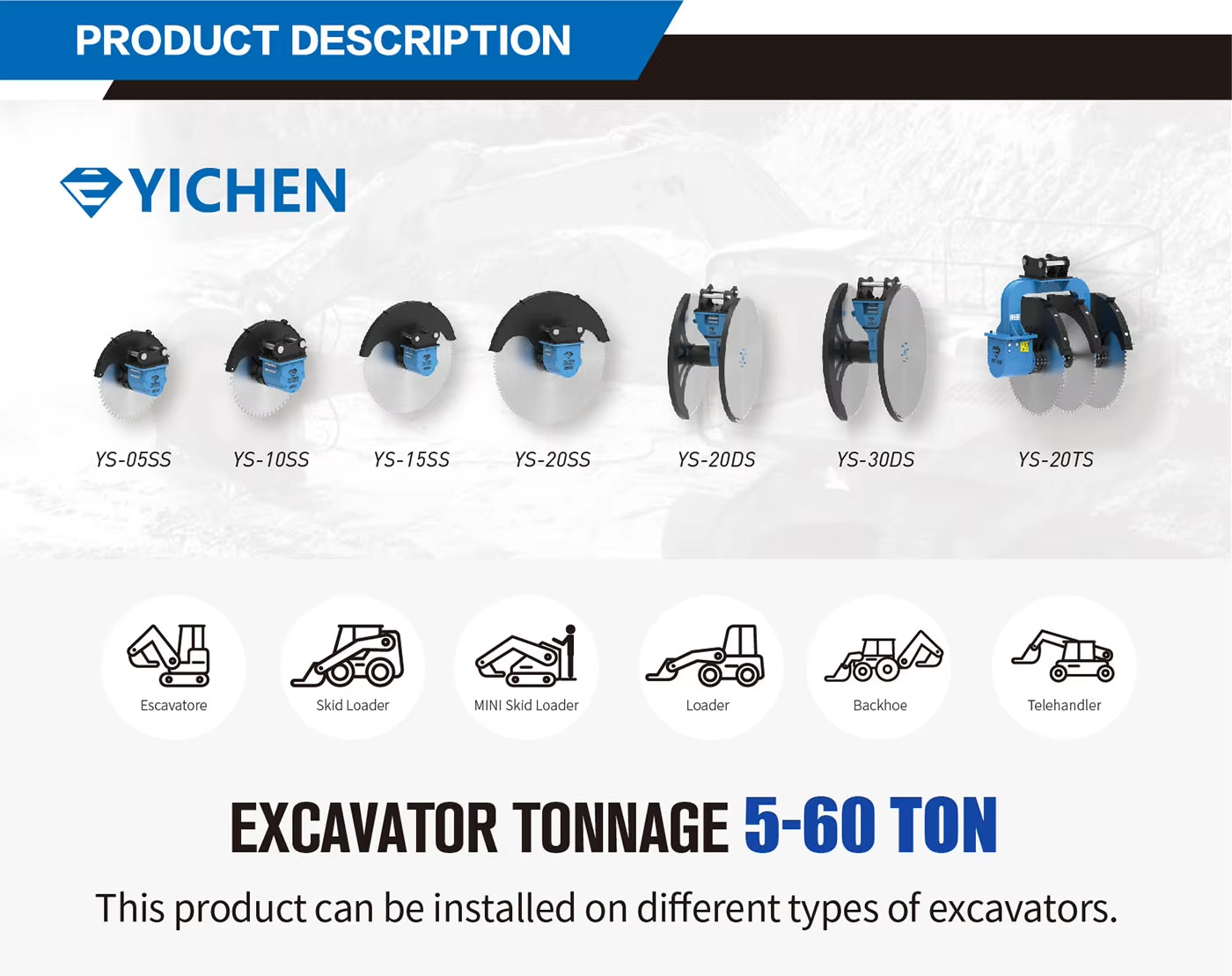
Safe and efficient cutting of steel-reinforced structures
Rock saws with those segmented diamond blades these days can slice right through steel reinforced concrete while keeping workers safe and maintaining the structure's stability. The blades come with special segments that tackle both concrete and reinforcing bars at once, so there's no need to swap tools halfway through a job. Manufacturers build them with a tough bonding matrix plus some cooling system stuff that keeps things from getting too hot and actually makes the blades last longer. Most modern units have adjustable hydraulic pressure settings too, letting operators fine tune how aggressive the cut is. This helps reduce all that dust and flying debris, which matters a lot when working inside buildings or near delicate equipment areas.
Saws vs. breakers: Choosing the right tool for reinforced concrete
Deciding between a rock saw and a hydraulic breaker when dealing with reinforced concrete makes a big difference in how fast things get done and what kind of results we end up with. Hydraulic breakers work great for quick demolition since they rely on powerful impacts, but this approach tends to leave behind messy cracks and often damages the steel bars inside the concrete. Rock saws tell a different story altogether. They cut through material cleanly and accurately, keeping those important reinforcement bars intact so they can be used again later if needed. When projects need exact openings or involve sensitive areas where vibrations matter (like during retrofits or creating access points for utilities), switching to saw attachments actually saves money down the road. Some field reports suggest these savings can reach around 40% less time spent fixing up after the initial work compared to just relying on breakers alone.
Key Applications in Construction, Demolition, and Quarrying
Precision trenching in congested urban environments
When working in crowded city environments where every inch counts, getting trench measurements right down to the millimeter becomes absolutely essential. Rock saw attachments give operators the ability to dig those tight, straight cuts needed for laying utility lines without risking damage to nearby buildings or existing underground pipes. The result? Much less digging up and filling back in later on. Projects typically take about 35-40% less time overall when using these specialized tools instead of traditional digging methods, according to field reports from several major construction firms across different metropolitan areas.
Foundation work: Ensuring structural integrity with clean cuts
Diamond tipped blades cut smoothly through concrete without damaging the foundation's core structure. Unlike impact tools that create tiny fractures, these blades maintain the integrity of what's underneath. When working on expansion joints or making changes to old foundations, this matters a lot. Jagged edges from rough cutting can let water seep in over time, which eventually corrodes the steel reinforcement bars inside. Getting clean cuts right the first time ensures weight gets distributed properly across the whole structure. Contractors know that even small mistakes in cutting can compromise the entire building's strength down the road.
Controlled demolition without shock damage
When it comes to selective demolition work, rock saw attachments give operators something no other tool can match – total control over exactly where cuts happen. These attachments isolate the area being cut so there's no risk of damaging surrounding structures through unwanted vibrations. Breakers on the other hand create those big shockwaves that can wreak havoc on nearby walls or floors. Rock saws slice continuously rather than pounding away, which keeps everything else around the job site intact. That's why contractors love using them inside buildings during renovations, when removing old bridge decks, or working on historic sites where even small mistakes could spell disaster for valuable architecture.
Quarrying: Maximizing material yield with minimal waste
Rock saws have become game changers in quarry work because they let operators cut blocks right where they sit on the face of the rock formation. This approach gives much better control over dimensions and cuts down on wasted material compared to traditional methods. When we look at blasting versus sawing, studies show around 30% less stone gets lost during extraction when using saws. Plus, the blocks come out pretty much uniform in size so there's less need for additional cutting later on. Environmental benefits are another big plus point too. Sawing creates far less dust floating through the air and doesn't shake up surrounding areas as much as blasting does. That makes these machines particularly useful for operations located close to towns or neighborhoods where noise and pollution would otherwise be major problems.
Improving Productivity and Cost Efficiency with Rock Saw Attachments
Time savings in trenching and excavation operations
Rock saw attachments accelerate trenching and excavation by enabling single-machine, continuous cutting through hard materials. With no need to switch tools or reposition multiple machines, crews maintain workflow momentum. Studies show these systems complete tasks up to 40% faster than traditional methods, particularly in time-sensitive urban construction settings.
Reducing labor and secondary processing costs
When rock saws combine cutting with excavation in a single process, they cut down on how many people are needed for the job. Contractors tell us they typically need about two fewer workers during each shift. The accuracy of these cuts means there's hardly any need for hand cleaning or moving materials around again, plus no extra equipment needs to be rented. Less waste overall too. Some studies show around 30 percent less material ends up going to landfill compared with traditional methods. That translates to real money saved on trucks and disposal fees over time.
Long-term ROI of investing in precision cutting technology
For many construction companies, getting their money back on a rock saw attachment usually happens somewhere between one and a half years because of all the money saved during regular operations. These attachments can take quite a beating from rough environments but still keep working well for thousands of hours if maintained properly. When looking at why these tools make sense financially, there's several factors at play. Operating expenses drop significantly compared to other methods. Contractors also find they can bid on better jobs since they have this specialized equipment available. Plus, being able to handle those tricky precision cuts opens doors to higher paying contracts that weren't possible before. All these advantages together make rock saw attachments worth the upfront cost when thinking about future growth and profitability.
Selecting and Maintaining the Right Rock Saw Attachment for Long-Term Success
Choosing by material type, blade size, and excavator compatibility
When picking out a rock saw, the first thing to consider is what kind of material needs cutting. The hardness and how scratchy the material feels really determines what kind of blade works best. For instance, granite calls for totally different blades compared to reinforced concrete or even sandstone. Getting the cutting depth and width right matters just as much though. These need to fit within what the excavator can handle hydraulically based on its weight class. If there's a mismatch between the equipment and the job at hand, expect problems down the road like blades wearing out too fast or putting too much stress on the hydraulics. Industry pros know this stuff well, and sticking to their recommendations when it comes to hydraulic compatibility typically cuts operational costs somewhere around 30%, simply because it keeps the whole system from getting overworked.
Routine maintenance: Hydraulic system checks and blade wear monitoring
Keeping equipment running smoothly requires regular maintenance checks. Every month, take a look at those hydraulic fluid levels, check the condition of all hoses, and make sure pressure settings are where they should be. This helps avoid unexpected breakdowns down the road. When it comes to blades, keep an eye on how much wear there is. Measure tooth height regularly and track how many hours have been spent cutting materials. Replace worn blades before they start affecting overall efficiency. And don't forget cleaning after every job session. Remove any debris buildup around the blade housing area and give the motor a good wipe down too. Getting rid of dirt and grime prevents overheating issues and stops abrasive particles from damaging sensitive internal parts over time.
Best practices for durability in abrasive working conditions
Equipment just doesn't last long in tough conditions unless we take care of it first. Start with good quality hydraulic fluids that can stand up to heat and stick with replacing filters exactly when they need it. When dealing with really rough materials, segmented or diamond tipped blades make all the difference in how long things actually last before needing replacement. Don't forget to check those bolts and joints regularly because vibrations will slowly work them loose over time. A little anti-seize compound on threaded parts now saves headaches later when trying to take stuff apart after months of operation. Skipping these basics leads to expensive breakdowns right when nobody wants them most. Smart operators know this stuff matters for keeping their gear running through thick and thin.
FAQ
What is a rock saw attachment?
Rock saw attachments are specialized tools that connect to excavators, utilizing diamond blades to slice through tough materials like stone, concrete, and reinforced structures with precision.
How do rock saw attachments differ from traditional excavation methods?
Rock saw attachments provide cleaner, more controlled cuts compared to traditional methods that rely on raw power or explosives, thus minimizing material waste and environmental disruption.
What are the advantages of hydraulic rock saws over mechanical systems?
Hydraulic rock saws offer greater power without added weight, require less maintenance, and enhance safety with features like pressure relief valves and remote operation capability.
How do rock saws handle reinforced concrete?
Rock saws equipped with segmented diamond blades can efficiently cut through steel-reinforced concrete, maintaining structural stability and minimizing dust and debris.
What factors should be considered when selecting a rock saw attachment?
Consider the type of material being cut, blade size requirements, and compatibility with the excavator's hydraulic system to ensure optimal performance.
Table of Contents
- Understanding Rock Saw Attachments and Their Role in Precision Construction Cutting
- Cutting Through Tough Materials: Rock, Concrete, and Steel-Reinforced Structures
- Key Applications in Construction, Demolition, and Quarrying
- Improving Productivity and Cost Efficiency with Rock Saw Attachments
- Selecting and Maintaining the Right Rock Saw Attachment for Long-Term Success