EN
EN

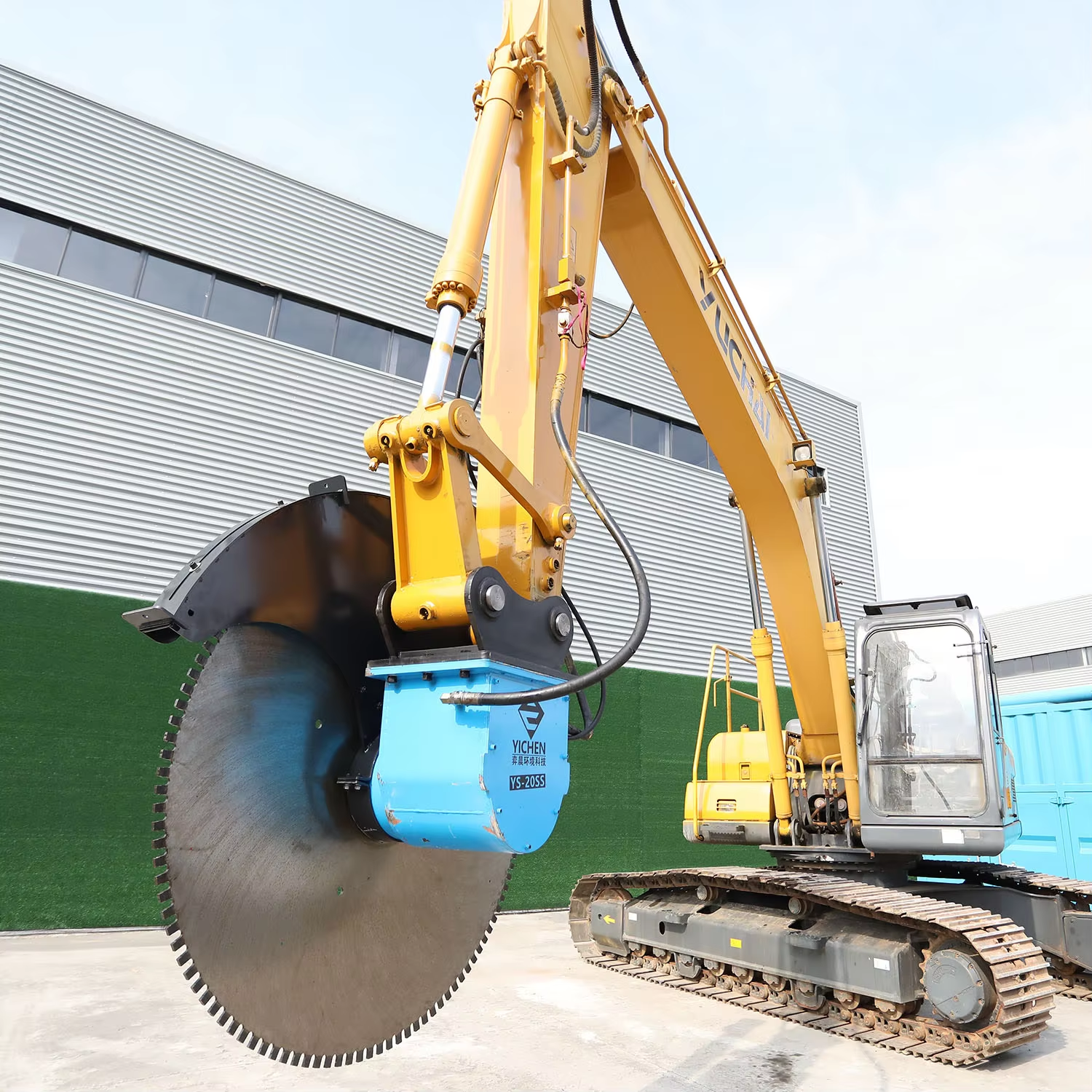
Core Composition: Diamond vs. Tungsten Carbide in Rock Saw Blades
Material hardness comparison between diamond and tungsten carbide
What really sets diamond and tungsten carbide rock saw blades apart comes down to how hard they actually are. Diamond sits at the top of the hardness chart as nature's toughest material, hitting that max score of 10 on the Mohs scale. Tungsten carbide isn't far behind though, usually landing somewhere around 8.5 to 9. This difference makes a world of change when it comes to cutting power. Diamond blades work by embedding synthetic diamonds into a metal base, which lets them tackle those super tough jobs cutting through reinforced concrete and granite without breaking a sweat. On the other hand, tungsten carbide blades have teeth made from a mix of tungsten and carbon attached to steel bodies. They handle softer stones and masonry just fine, but struggle quite a bit when faced with the really stubborn materials out there.
Blade structure: diamond segments and bond matrices
Rock saw blades made for diamonds have those special segments filled with diamonds stuck onto a steel backbone. Inside each segment sits synthetic diamond crystals embedded in what we call a metal bond matrix. When cutting through materials, this bond slowly wears down over time, revealing new sharp diamond bits as it goes along. That's basically how they stay sharp all on their own during operation. Most manufacturers adjust the hardness of this bond depending on what needs cutting. For tough stones that aren't so abrasive, they go with softer bonds because diamonds show up quicker. But when dealing with concrete that grinds everything down fast, harder bonds help keep things from wearing out too soon. All this careful engineering means these blades perform reliably day after day, which is why pros across construction sites and quarries rely on them whenever durability matters most.
Tungsten carbide blade composition and metallurgical properties
Rock saw blades made from tungsten carbide feature carbide tips that are either brazed onto or attached mechanically to a strong steel base. To make the carbide itself, manufacturers mix tungsten and carbon powders together and then subject them to intense heat in a process called sintering. What comes out is a very dense material that resists wearing down over time. Manufacturers tweak the carbide's grain structure depending on what kind of job it needs to handle. For sandstone work, they go for finer grains since these stand up better against abrasive materials. When cutting concrete though, the carbide needs to be tougher so producers opt for coarser structures that can take bigger hits without breaking apart. The steel part gets special heat treatments too, which helps strike just the right balance between being hard enough to last but still flexible enough not to bend when subjected to side forces while cutting. These characteristics make such blades particularly useful for everyday cutting tasks where both durability and ability to handle sudden impacts matter most.
Cutting Performance on Stone, Concrete, and Other Hard Materials
Efficiency and speed when cutting concrete, masonry, and natural stone
Diamond blades cut through tough stuff like concrete, brickwork, and natural stone much faster than other options out there. The segmented design with those little gullet spaces helps keep things running smoothly by clearing away all that messy debris while also preventing overheating during long cuts. When paired with modern hydraulic rock saws, these blades actually turn around 90% of the hydraulic power into actual cutting power, which means they work well even when temps drop below freezing or climb into the mid-30s Celsius range. According to recent industry findings published last year, operators report getting about 40% better results compared to traditional methods when dealing specifically with reinforced concrete walls. Some newer models come with turbo rims that really boost performance on asphalt surfaces and especially stubborn concrete mixes because they create better airflow and help eject chips more effectively during operation.
Impact of rock hardness and abrasiveness on blade performance
How well a blade works depends a lot on what kind of material it cuts through. Materials that are really tough and gritty, such as granite or old reinforced concrete, wear down tungsten carbide teeth pretty fast, which means they don't last long before needing replacement. That's where diamond blades come in handy. The diamonds in these blades wear away slowly, exposing fresh cutting surfaces all the time. The bonding around the diamonds is designed specifically for different materials too. When working with hard but not so gritty stones, manufacturers use softer bonds so the diamonds show up quicker. For those nasty abrasive concretes though, they go with tougher bonds to keep the blade segments intact during cutting. Because of this flexibility, diamond blades can handle pretty much anything thrown at them on construction sites without breaking down as quickly as other options do.
When tungsten carbide outperforms diamond: niche applications and exceptions
Diamond is definitely king when it comes to tough materials, but tungsten carbide has its moments too. When working with softer stuff like green concrete, some types of limestone, and clay bricks, tungsten actually does a better job. The way it chips through these materials creates cleaner edges and fewer tiny cracks compared to how diamond tends to grind away at things. For jobs where people aren't cutting all day long or when they're dealing with lots of different materials that aren't super hard, tungsten carbide blades tend to be cheaper overall. Another thing worth mentioning is their solid tooth design which stands up better against sideways forces. This means less chance of segments breaking off completely, something that happens sometimes when diamond blades get twisted while making a cut.
Durability and Wear Resistance of Rock Saw Blades
Lifespan comparison: diamond vs. tungsten carbide blades
When it comes to lasting power, diamond tipped blades just beat out tungsten carbide ones, especially when working on tough materials. Take granite cutting for instance. According to the Geological Equipment Journal from last year, diamond blades can handle anywhere between 120 to 250 linear feet before needing replacement. Meanwhile those tungsten carbide blades usually need changing after only about 15 to 40 feet of work. Why the big difference? Well diamonds have this Mohs hardness rating of 10 compared to around 8.5 to 9 for tungsten carbide. Plus they wear down differently over time. For anyone running a serious operation where every minute counts because machine downtime really eats into profits, going with diamond blades is pretty much a no brainer despite their higher upfront cost.
Wear mechanisms in high-abrasion environments
Tungsten carbide blades tend to wear down pretty fast in abrasive environments. The edges get rounded off and tiny fractures start forming until they just can't cut straight anymore. Diamond blades work differently though. They actually sharpen themselves as they go. When the bonding material wears away, old diamond bits fall off and new sharp ones come into play. This kind of gradual wearing keeps them cutting well for longer periods, especially when dealing with tough stuff like granite or concrete mixtures containing lots of quartz. Because of this self-sharpening feature, these blades last much longer between replacements and need less frequent maintenance overall.
The paradox of initial wear: why faster-wearing diamond bonds last longer overall
Diamond blades often seem to wear down faster because their segments visibly shrink during use, but there's actually a smart reason behind this. The bonding material is designed to wear away at just the right pace as the diamonds get used up, keeping particles stuck where they need to be while constantly exposing fresh cutting surfaces. This gradual breakdown means one good quality blade can handle around 200 feet worth of accurate cuts before needing replacement, which makes sense when looking at the bigger picture even though they do cost more initially. Less time swapping out blades plus consistent cutting power adds up to real savings on maintenance expenses and keeps operations running smoothly day after day.
Cut Quality, Precision, and Finishing Results
Edge precision and surface finish in stone and reinforced concrete
The quality of cuts really depends on what kind of blade gets used for the job. Diamond blades give much cleaner, straighter edges with almost no chipping issues when working with materials like granite or limestone. When operators handle them properly, these blades can get surfaces down to around 3 microns roughness or better. For cutting through reinforced concrete, diamond segmented blades work wonders too since they cut so evenly across the material. This means less chance of running into exposed rebar or getting those annoying edge chips that require extra cleanup later on. Tungsten carbide blades are another option but they generally leave behind deeper marks in the material. Getting similar smoothness would mean doing quite a bit more grinding afterwards, particularly when dealing with harder stones where precision matters most.
Minimizing material waste through efficient cutting
When it comes to getting the most out of expensive materials like granite countertops or architectural concrete elements, precision cutting makes all the difference. Diamond blades actually cut narrower paths than their tungsten carbide counterparts, typically saving around 15 to maybe even 20 percent of what would otherwise be waste during each cut. For big construction jobs or commercial fabrication shops making hundreds of cuts daily, these tiny savings really start adding up over time. The sharper edge provided by diamond tools also means fewer mistakes when cutting intricate shapes or detailed patterns. Less wasted material translates directly to better bottom line results for contractors working on tight budgets while still delivering top quality finished products.
Cost Comparison: Upfront Price vs. Long-Term Value for Rock Saw Blades
Initial cost analysis: diamond vs. tungsten carbide blades
Diamond tipped rock saw blades generally cost anywhere from around $200 all the way up to about $400. Tungsten carbide versions are much cheaper though, usually priced somewhere between just $5 and maybe $50 based on how big they are and what quality we're talking about. Most contractors who watch their budgets closely tend to go for the tungsten carbide option first off. But here's the thing these folks miss out on when looking at immediate savings. The better diamond blades actually have way more diamonds packed into them plus special bonding tech that makes them last forever basically. Yeah sure they cost more upfront but over time they pay for themselves because they cut straighter longer without wearing down as fast.
Return on investment and cost per cut over blade lifespan
Looking at the big picture when it comes to costs, diamond blades simply make more sense for most applications. These blades can last anywhere from 25 to even 50 times longer compared to tungsten carbide options when cutting through materials like granite or reinforced concrete. That means each individual cut ends up costing much less over time. Contractors who have made the switch report saving around half their expenses on materials and labor in the long run according to various equipment usage reports. Plus there's the added benefit of needing blade changes far less often which cuts down on downtime. All these factors together help boost overall productivity while making sure that money spent actually delivers real returns.
Selecting the right blade for granite, limestone, and reinforced concrete
What kind of material we're dealing with really determines which blade works best. When cutting into tough stuff like granite or reinforced concrete that's super abrasive and has high compressive strength, diamond blades tend to give better returns over time because they last longer and keep performing well. Tungsten carbide blades can handle softer rocks like limestone or bricks just fine, but most contractors find themselves replacing them too often compared to diamonds. Even on these softer jobs, diamonds end up being more cost effective when doing big projects or working at scale. Getting the right blade tech matched up with what needs to be cut and how much of it there is makes all the difference. Diamond blades just shine in situations where we're dealing with hard materials or need to do major cutting operations across multiple sites.
FAQ Section
What are the main differences in cutting performance between diamond and tungsten carbide blades?
Diamond blades offer superior cutting power for hard materials such as granite and reinforced concrete due to their high Mohs hardness and ability to self-sharpen. Tungsten carbide blades are better suited for softer materials like green concrete and clay bricks.
Why do diamond blades last longer than tungsten carbide blades?
The bonding matrix in diamond blades is designed to gradually expose fresh diamonds, maintaining sharpness over time. This self-renewing property ensures longevity, especially when cutting abrasive materials.
What should you consider when choosing between diamond and tungsten carbide blades?
Consider the material hardness, project scale, and cost efficiency. Diamond blades tend to be more cost-effective over the long term for hard materials, while tungsten carbide blades may be more economical for softer, less frequent cutting tasks.
Are diamond blades worth the higher upfront cost?
While more expensive initially, diamond blades offer durability and efficiency, reducing the overall cost per cut and increasing productivity by minimizing downtime.
Table of Contents
- Core Composition: Diamond vs. Tungsten Carbide in Rock Saw Blades
- Cutting Performance on Stone, Concrete, and Other Hard Materials
- Durability and Wear Resistance of Rock Saw Blades
- Cut Quality, Precision, and Finishing Results
- Cost Comparison: Upfront Price vs. Long-Term Value for Rock Saw Blades
- FAQ Section