EN
EN

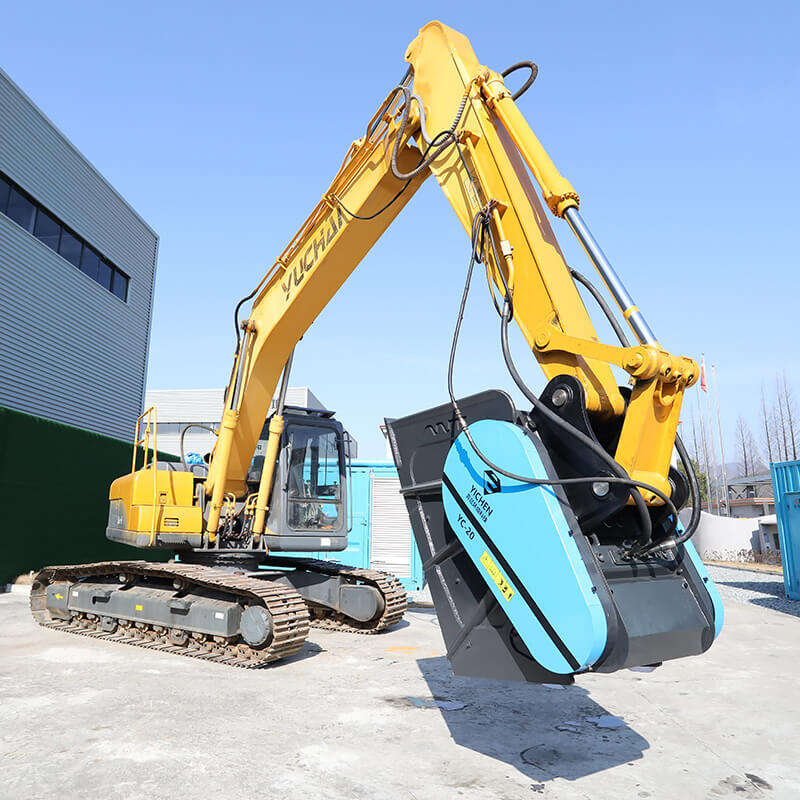
Match Crusher Bucket Capacity and Weight to Your Excavator's Operating Class
Why weight and capacity alignment prevents hydraulic overload and structural stress
Getting the right size for a crusher bucket helps avoid putting unnecessary strain on hydraulic systems and protects the excavator from structural damage. When buckets are too big, they require way more hydraulic pressure than what's normal, sometimes going over 200 bar when doing serious crushing work. This forces the pumps to run at full capacity all the time, which wears them out faster according to some fluid dynamics research we've seen. At the same time, heavier buckets create problems at those boom-axle connections. If an attachment weighs more than about 15% of the excavator itself, it can lead to stress fractures increasing threefold in machines that get used constantly. Keeping everything properly aligned isn't just about looks either. Good alignment actually makes the whole crushing process stable, keeps joints from breaking down prematurely, and lets the hydraulics work better overall without wasting energy.
Crusher bucket sizing guidelines by excavator class: 6-15 ton, 15-30 ton, and 30+ ton machines
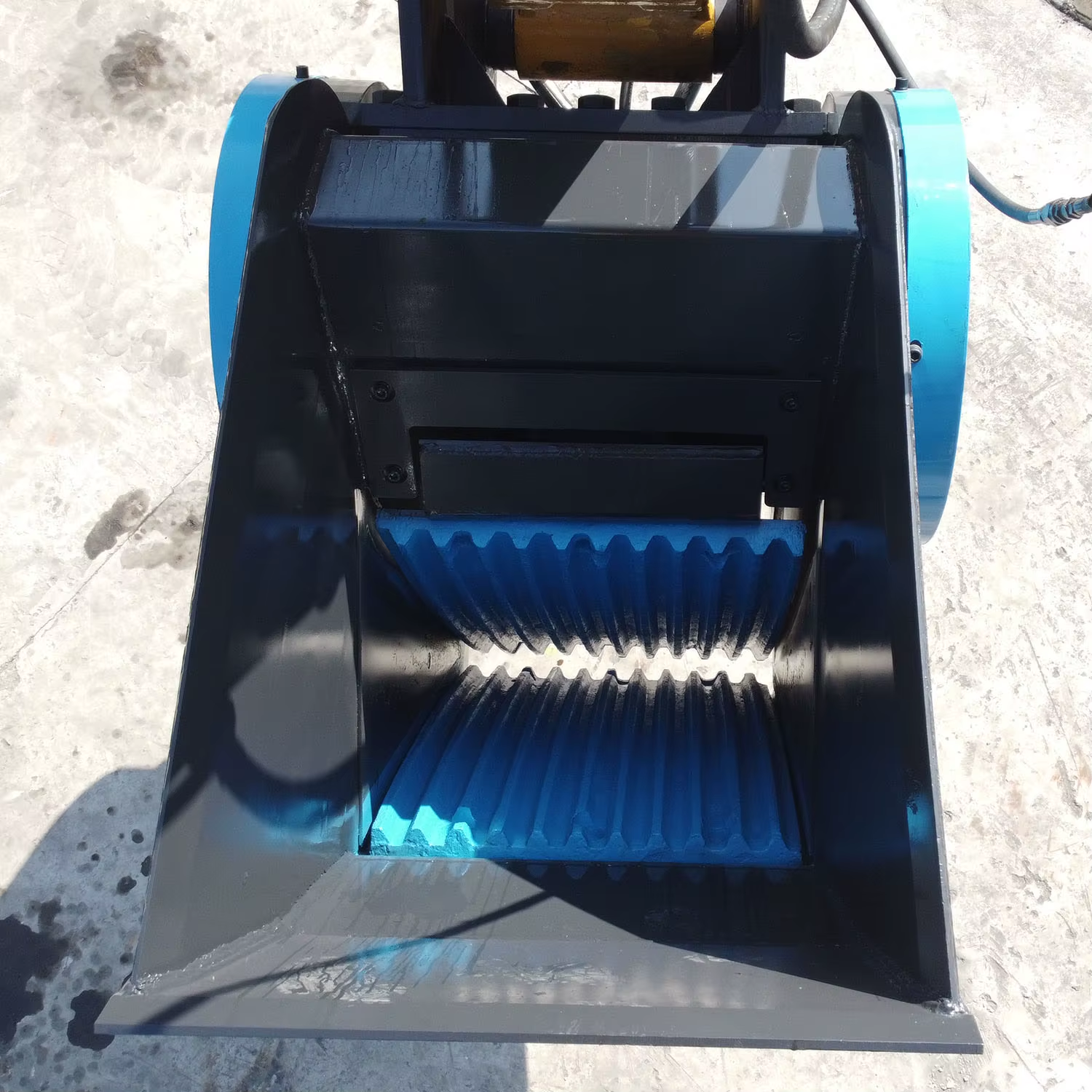
Select crusher buckets according to standardized operating classes to ensure balanced performance:
| Excavator Weight Class | Recommended Bucket Capacity | Weight Parameters | Hydraulic Flow Range |
|---|---|---|---|
| 6-15 ton | 0.15-0.35 m³ | ≤1,200 kg | 80-130 L/min |
| 15-30 ton | 0.35-0.85 m³ | 1,200-2,800 kg | 130-220 L/min |
| 30+ ton | 0.85-1.5 m³ | 2,800-4,500 kg | 220-350 L/min |
Smaller excavators in the 6 to 15 ton range work best with compact buckets when dealing with concrete scraps and broken asphalt surfaces. These machines maintain their stability even though they're processing tough materials. When moving up to mid-size equipment between 15 and 30 tons, operators need medium-sized buckets to tackle reinforced concrete blocks and chunks of natural stone. The really big boys over 30 tons require those massive high-volume buckets for clearing out old quarries and similar heavy duty tasks. Before attaching any bucket, there are a few things worth checking first. Make sure the bucket isn't heavier than about 20% of what the excavator weighs overall. Check if the hydraulics can actually handle the pressure demands of the specific bucket model. And don't forget to measure whether the bucket shape allows enough space for complete rotation without hitting anything during operation.
Verify Hydraulic Compatibility: Flow Rate, Pressure, and System Integration
Minimum hydraulic requirements (L/min and bar) for efficient Crusher Bucket performance across size tiers
Hydraulic compatibility is non-negotiable for crusher bucket efficiency. Mismatched flow rates or pressure can cause cavitation, sluggish operation, or catastrophic component failure. Minimum requirements by excavator class are:
- 6-15 ton excavators: 120-160 L/min at 180-220 bar
- 15-30 ton excavators: 220-280 L/min at 220-250 bar
- 30+ ton excavators: 300-380 L/min at 250-300 bar
Operating below these thresholds risks 40%+ productivity loss and accelerated wear. Pressure mismatches account for 25% of hydraulic equipment failures, according to Hydraulic Systems Magazine. Verify three critical parameters:
- Flow rate (L/min): Dictates crushing speed and material throughput
- Operating pressure (bar): Determines crushing force and hard-material capability
- Coupler/valve compatibility: Ensures leak-free connections during high-vibration operation
Always cross-reference your excavator's hydraulic specifications with the crusher bucket manufacturer's data sheet. For complex installations, consult engineers specializing in hydraulic performance standards.
Select Crusher Bucket Size Based on Material Type, Output Specification, and Duty Cycle
Matching Crusher Bucket Output Range (0-40 mm vs. 0-80 mm) to Material Type: Concrete, Asphalt, Natural Rock, and Recycled C&D Waste
The type of material being processed really determines what size output works best for crusher buckets. When it comes to concrete recycling, most operations need a fine grind around 0-40mm to get good quality aggregate for new construction projects. Asphalt recycling also does well within this same range since it helps create consistent paving materials. For natural rock crushing used in drainage systems, operators can usually go coarser with 0-80mm settings. This allows about 40% more throughput when dealing with tough stones like granite. Handling recycled construction and demolition waste brings some special considerations too. Mixed debris tends to flow better through larger openings at 0-80mm to avoid getting stuck, while separated concrete pieces work better in the finer 0-40mm range where they fetch better prices on resale markets. Getting the output size wrong leads to problems though. Materials that are too abrasive will recirculate 15-20% more often, which wears down jaws faster and puts extra stress on hydraulics over time.
Application-Driven Sizing: Light Demolition, On-Site Recycling, and Quarry Reclamation Use Cases
What kind of work needs to get done really determines which size crusher bucket makes sense. For lighter jobs like tearing up sidewalks, smaller excavators between 6 and 15 tons work best with compact buckets that can move around tight spaces rather than just chewing through material fast. These are great for spot work in cities where space is limited. When it comes to on-site recycling operations, equipment owners typically go for medium-sized buckets that fit on 15 to 30 ton machines. They need something that handles steady material flow but still allows for accurate sizing so broken concrete slabs become usable base material right there on the job site without needing extra transportation. Big quarry operations using machines over 30 tons require heavy-duty buckets built tough with reinforced jaw sections and better hydraulic systems to tackle hard stuff like granite rock layers or leftover concrete chunks day after day. Getting the right bucket size for each specific job cuts down on having to reprocess materials by about 30%, which saves both time and money in the long run.
FAQ
- Why is it important to match the crusher bucket size with the excavator's operating class? Matching ensures efficient performance and prevents hydraulic overload and structural stress, which could lead to faster wear and potential damage.
- What are the hydraulic requirements for different excavator classes? The hydraulic requirements vary based on the tonnage, with flow rates ranging from 120-380 L/min and pressure from 180-300 bar as per the excavator class.
- How do material types influence crusher bucket size? Material types like concrete, asphalt, and natural rock require specific output ranges for efficient processing and quality output.
- What factors determine the physical mounting compatibility? Critical factors include interface geometry, pin dimensions, and clearance between bucket frame and dipper arm to ensure smooth operation without interference.