EN
EN

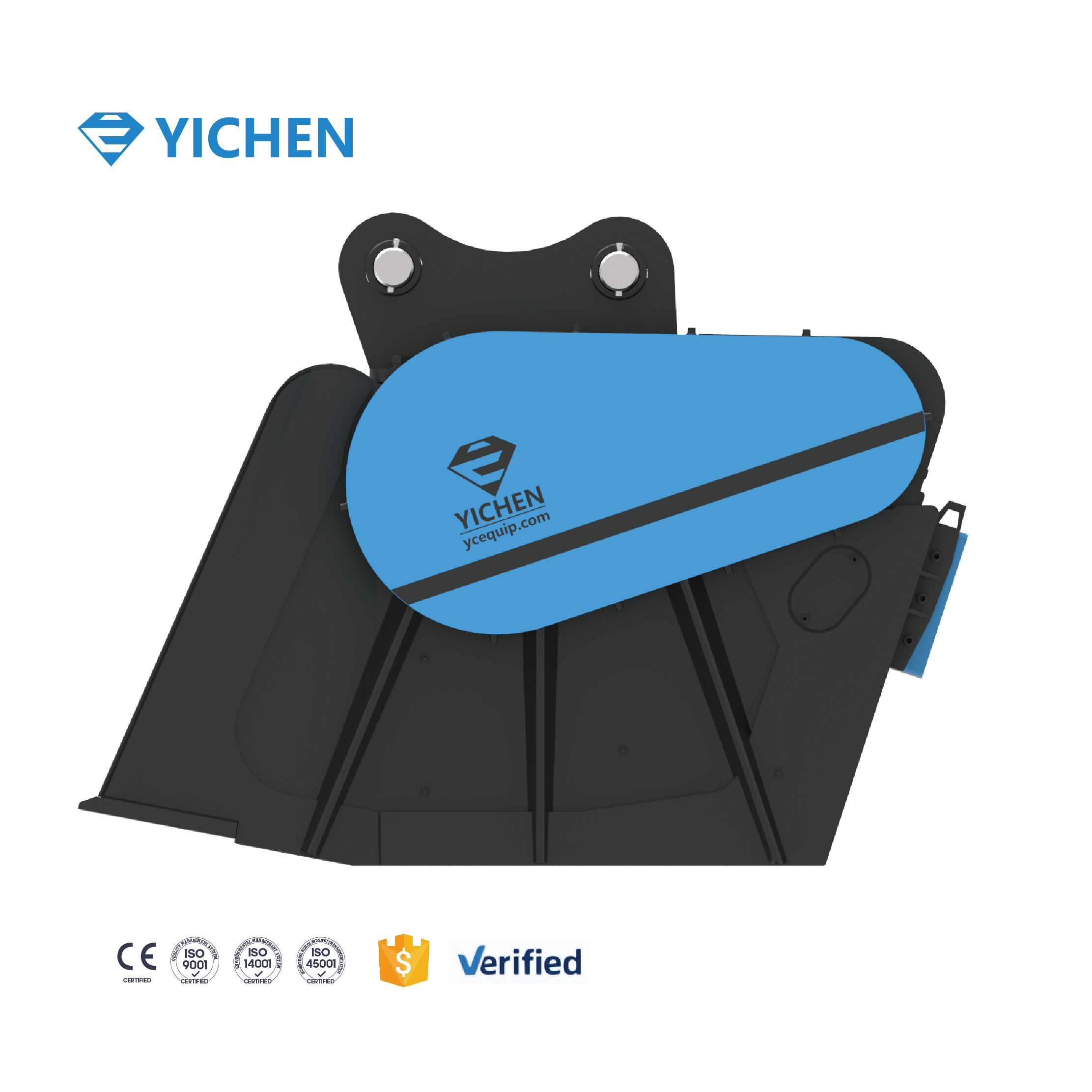
Crushing Capacity and Throughput Performance
Real-World Throughput: Compact Crusher Bucket vs. Self-Propelled Mobile Crushers
Traditional mobile crushers typically boast impressive capacity ratings ranging from 100 to 300 tons per hour, but what actually gets processed on site tends to fall short. Transport delays, lengthy setup times stretching into multiple hours, and limited access to certain locations all eat away at those promised numbers. Compact crusher buckets tell a different story though. When these are mounted onto an excavator, they start delivering around half to four fifths of their advertised output right away. No need for extra staging areas, no separate power source required, and absolutely zero downtime during relocation. Demolition crews working with concrete recycling in tight city spaces report getting between 30 and 50 tons processed each hour using bucket systems. Meanwhile, self propelled units waste precious time every day just moving themselves around the job site, losing anywhere from 40 minutes up to almost an hour simply repositioning. The main factors affecting how much material gets crushed come down to...
- Material hardness: Granite reduces bucket throughput by 25–40% compared to limestone
- Feed size consistency: Oversized feed cuts efficiency by 15–25% across both systems
- Operator skill: Experienced teams realize up to 20% higher sustained yields with buckets
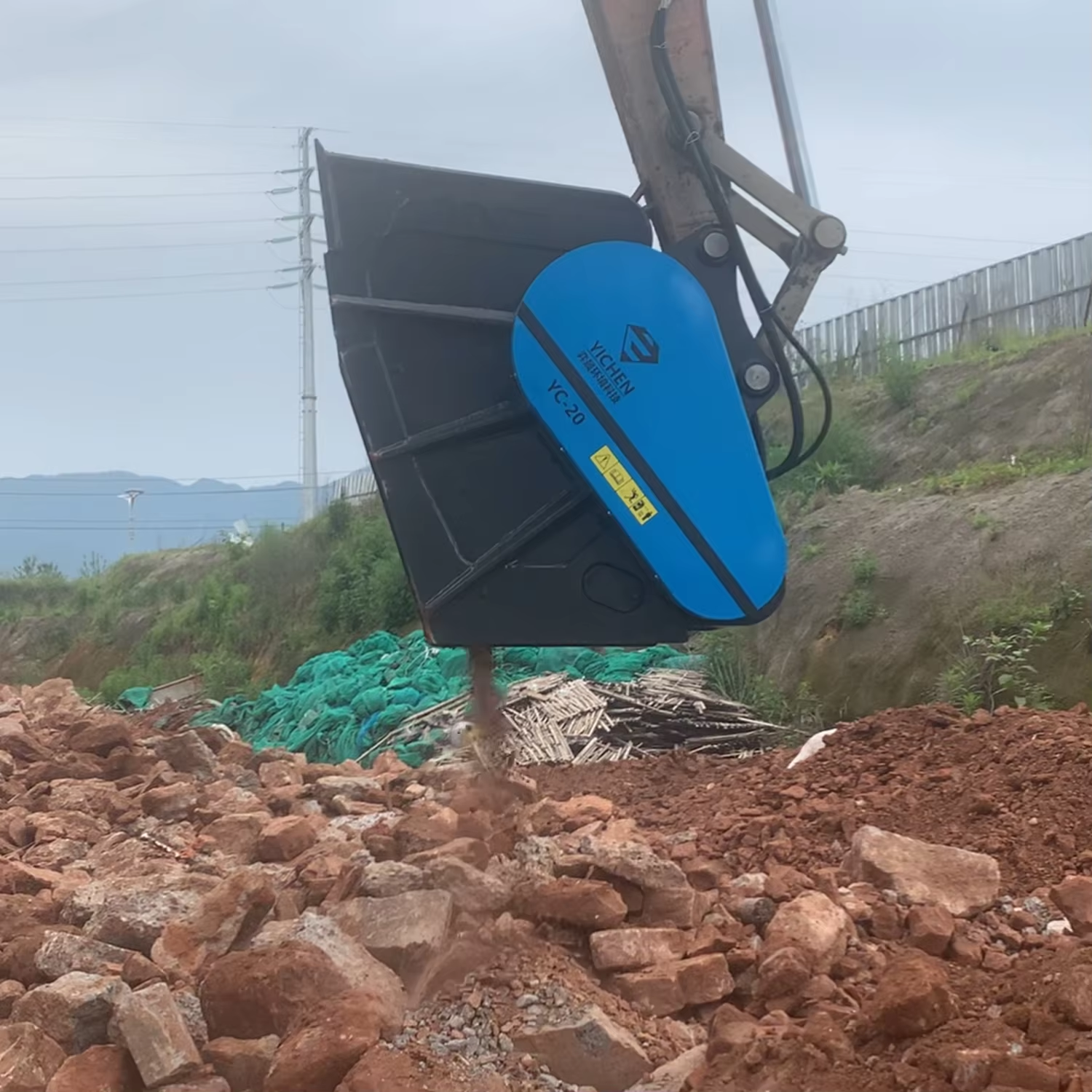
How Application Context Determines Optimal Output–Not Just Peak Ratings
The peak rating numbers can be misleading when actual site conditions limit what equipment can do. Take a standard 200 tons per hour mobile crusher for instance it might struggle down to just 60 or maybe 70 tph when working on steep slopes over 10 degrees, dealing with wet clay filled aggregates, or constantly needing to move around the job site. Compact crusher buckets tell a different story though. These machines typically hit about 80 to almost 90 percent of their stated output even in tight spots because they crush right there on site eliminating those pesky material handling issues completely. The fact that these buckets don't need relocation makes them much better suited for things like basement demolition work, mining thin veins of ore, or recycling along trenches where having maximum capacity isn't as important as getting reliable output that's actually accessible on site. Getting the most out of any operation really comes down to matching the right machinery to what the specific job site demands.
- Material transport distance (buckets outperform under 50 m)
- Relocation frequency (mobile crushers incur 1–2 hours of non-productive time per move)
- Feed control precision (bucket operators achieve tighter gradation control via direct excavator feedback)
Mobility, Deployment Speed, and Site Flexibility
Compact Crusher Bucket: Hydraulic Integration and Sub-5-Minute On-Site Activation
The compact crusher bucket fits right into an excavator or loader's existing hydraulic system, so there's absolutely no need for extra power sources, trailers, or cranes to get it going. Most operators find that they can activate these units within just a few minutes, which means starting the actual crushing work happens almost instantly where the digging occurs. According to Construction Tech Review from last year, machines equipped with this technology stay running for about 97% of their scheduled time. That kind of reliability really makes a difference on site because it cuts down those frustrating wait times when equipment sits idle. Plus, nobody has to deal with all the hassle of complicated setup procedures that often stop production dead in its tracks.
| Deployment Attribute | Compact Crusher Bucket | Traditional Mobile Crusher |
|---|---|---|
| Activation Time | <5 minutes | 45–90 minutes |
| Transport Needs | None (fully integrated) | Low-bed trailer + permits |
| Site Access | Zero clearance required | Minimum 3 m clearance paths |
Traditional Mobile Crushers: Transport, Setup, and Access Limitations
Moving self propelled crushers around is no small task. They need special transport arrangements including those pesky overweight load permits, plus they want nothing but flat ground for setup that's at least 100 square meters. When it comes time to get them ready for work, everything stops while crews unload these big machines, position them just right, level them out, and hook up outside power sources. On tight job sites or places with weird topography like old city renovations or steep hillsides, all these constraints really slow things down. According to Aggregates Manager from last year, projects tend to take about 34% longer in such situations because getting permission to move equipment becomes a nightmare, roads have to be closed temporarily, and sometimes the whole setup needs to be moved multiple times before it works.
Footprint, Space Efficiency, and On-Site Processing Capability
Zero-Added-Footprint Operation with the Compact Crusher Bucket
Compact crusher buckets don't take up any extra room since they simply attach to excavators or loaders that are already working at the site. Traditional mobile crushers need their own special area for setup, plus all those conveyors have to be put in place, there's always somewhere to pile up materials, and technicians need access for maintenance too. With bucket crushing though, everything happens right where the dirt or debris comes out of the ground. No need to move stuff twice or pay for expensive trucking fees to get materials away from the job site. Contractors in demolition and recycling businesses tell us projects finish about 15 to 23 percent quicker when using this method according to Construction Recycling Journal from last year. They can turn what would normally be waste material directly into something useful like gravel or crushed stone without spending money on transportation costs.
Why Tight Urban, Indoor, or Confined Sites Favor Bucket-Based Crushing
Three critical constraints limit traditional mobile crushers in constrained environments:
- Physical access (narrow alleys, low overhead clearances, stairwell entry)
- Regulatory burden (street-closure permits, noise restrictions, traffic management plans)
- Safety margins (requiring 30–50% clearance around rotating components and conveyors)
The compact crusher buckets work well in narrow spaces less than 2 meters across, and they can be used inside working buildings, below ground parking areas, or during restoration projects in old neighborhoods without needing special setup areas. Contractors doing city revitalization jobs have seen around 40 percent savings when they skip the costly street permit applications, avoid coordinating transportation logistics, and sidestep those frustrating schedule holdups. Because these machines take up so little room, places that were once impossible to access for crushing operations are now practical spots where work gets done efficiently.
Total Cost of Ownership and Operational Economics
When it comes to crunching numbers on crushing solutions, Total Cost of Ownership or TCO matters most for business to business operators looking at their bottom line. Just looking at what something costs when bought doesn't tell the whole story. TCO actually factors in all those other expenses too - buying the machine, fuel costs, regular maintenance, labor hours, transportation fees, getting necessary permits, plus all the money lost when machines break down. What we find is that these compact crusher buckets usually cut operating costs by around 30 to 50 percent compared to old school mobile crushers. Why? Well there are three main reasons why this happens. First off, no need for trailers or dealing with extra paperwork for permits. Second, they use less fuel because they run directly off hydraulics rather than needing a separate diesel engine. And third, practically no downtime when moving between sites. People working in demolition and recycling report getting their money back on these buckets within just about 18 months flat. Meanwhile, traditional mobile crushers end up costing more in the long run due to all those idle machines sitting around, special transport requirements, and the mountain of admin work that goes along with them. Focusing on TCO instead of just the initial sticker price makes sense for real world operations where unexpected costs can really eat into profits throughout any given project.
Frequently Asked Questions (FAQ)
What are the main advantages of compact crusher buckets?
Compact crusher buckets offer quicker setup, reduced transport needs, and increased efficiency in tight spaces, making them ideal for city environments and small-scale projects.
How does material hardness affect crushing capacity?
Material hardness can decrease throughput by 25–40%. Harder materials like granite require more effort and time compared to softer materials like limestone.
Why is Total Cost of Ownership important when choosing crushing equipment?
Total Cost of Ownership includes not only the purchase price but also operational costs like fuel, maintenance, and transportation. Compact crusher buckets often lead to lower TCO compared to traditional mobile crushers.