EN
EN

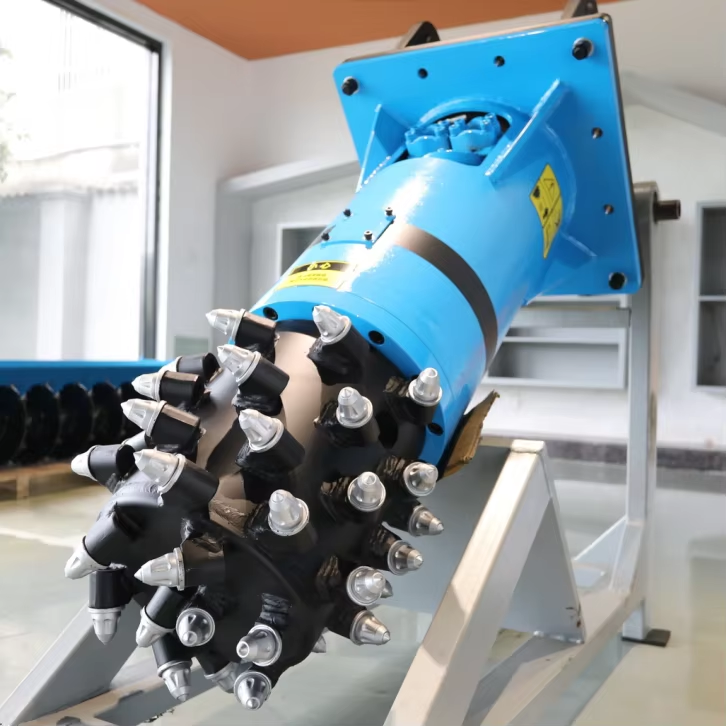
Why Transverse Drum Cutters Deliver Superior Excavation Efficiency
Overcoming Limitations of Conventional Methods in Sensitive and Confined Sites
Traditional excavation equipment such as hydraulic breakers really have trouble working in delicate areas because they create too much vibration and cause overbreak. This often leads to damage of nearby structures and ends up needing expensive additional support work. Transverse drum cutters tackle these problems with their precise cutting method that creates far less impact. The way these machines rotate helps cut down on shock transmission, which means vibrations drop by more than 60 percent when compared to standard impact tools. For this reason, operators can safely work close to underground pipes, old buildings, or areas where the soil isn't stable. Especially in tight city environments, the small size of these cutters lets them move around in all directions without having to detach from their carrier vehicle. This makes it possible to remove specific materials while keeping surrounding areas intact. On average, companies report saving about 27% on ground stabilization expenses during repair projects when using this technology instead of conventional methods.
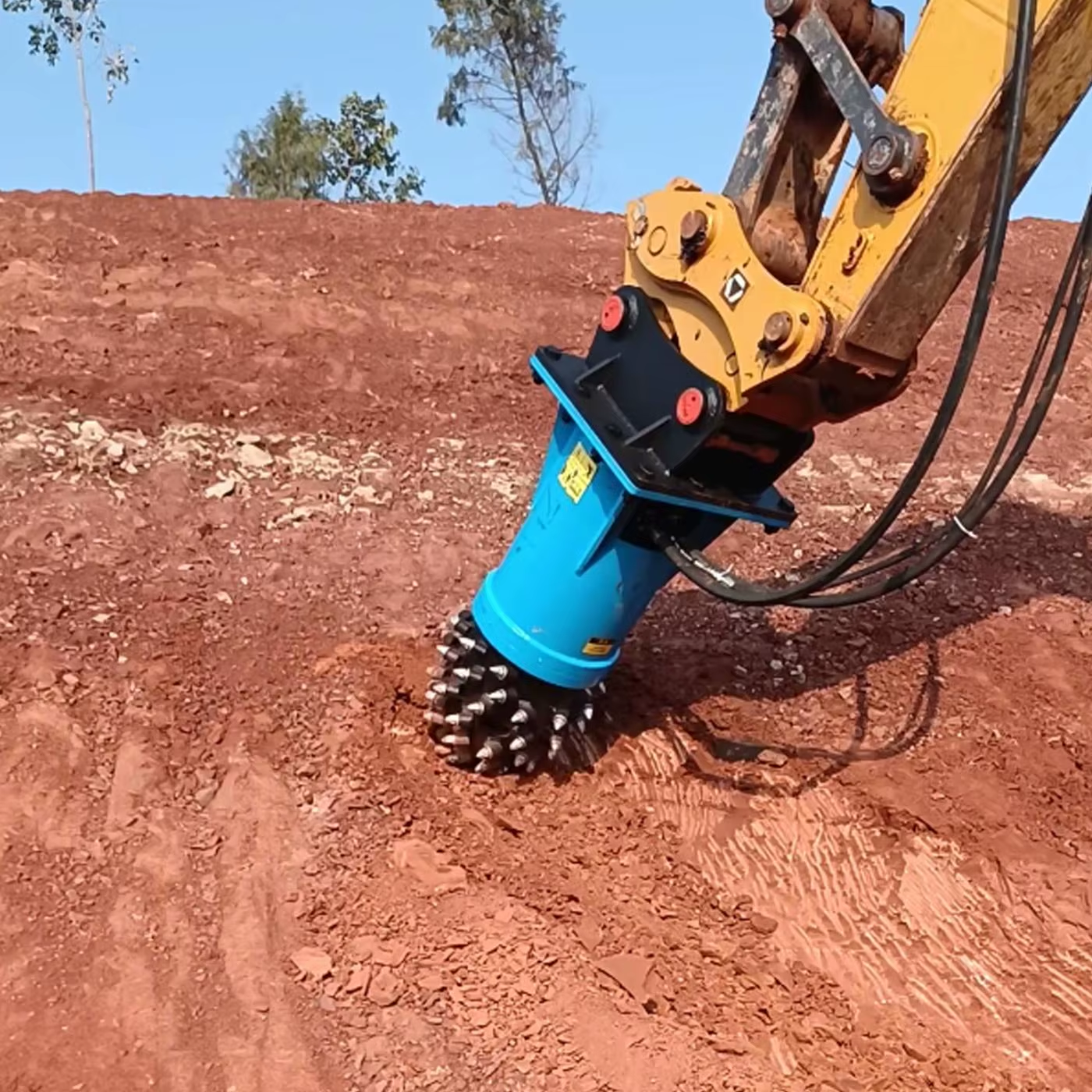
Core Mechanism: How Transverse Drum Cutter Geometry Enables Precise, Low-Impact Material Removal
Transverse drum cutters work so well because of how they're built from the ground up. The cutting teeth sit at right angles to the spinning drum, which means they slice through material instead of just smashing it apart. What this does is let for steady, controlled removal where the force gets spread out evenly along the whole cutting surface. Inside these machines, there's a special spur gear system that takes hydraulic power and turns it into serious torque at lower speeds, making sure everything engages smoothly without all that annoying chatter we hate hearing. Another smart feature is the central rotation point on the drum itself. This setup cuts down on those pesky reaction forces that can strain the excavator arm during operation. Plus, when manufacturers arrange the teeth just right, they actually manage to slash dust production by around half compared to older techniques. Operators find they can stick pretty close to within 2mm accuracy most of the time, even when dealing with tricky stuff like concrete layers mixed with softer shale formations.
Key Excavation Efficiency Gains Enabled by Transverse Drum Cutters
Precision Cutting and Minimal Overbreak: Cutting Secondary Support Costs by Up to 27%
Transverse drum cutters achieve remarkable accuracy when it comes to removing material because they control how deep they cut using their rotation and the way the cutting teeth are arranged. This helps prevent overbreak, which is basically when rock fractures too far beyond what was planned. Fewer unexpected breaks means less reliance on things like shotcrete coatings or rock bolts for extra stability. According to industry numbers from the Construction Efficiency Report released last year, these machines can actually cut down on the need for additional support by around 27%, saving money in the long run. The way these cutters distribute force across their radius keeps everything within very tight specifications even in tricky underground conditions. This eliminates a lot of the manual fixes that would otherwise be needed and gets projects completed faster than traditional methods.
Low Vibration and Dust Emission: Ensuring Compliance with EU Directive 2002/44/EC
Transverse drum cutters are designed to comply with tough safety and environmental regulations thanks to how they handle vibrations and manage dust. The machines rotate continuously which keeps those annoying vibrations under control at just below 2.5 m/s². That's actually pretty good since it falls comfortably within what the EU says is acceptable according to their 2002/44/EC directive. What really stands out though is the built-in water system that sprays down during operation. This helps knock down those tiny silica particles in the air to less than 0.025 mg per cubic meter. To put that into perspective, it's about three quarters below what OSHA considers safe for workers. So not only does this setup protect against back problems and lung diseases like silicosis, but it also means fewer times when projects have to halt because of safety violations. And let's not forget the noise factor either. These machines operate at less than 85 decibels, making them much quieter than most construction equipment. This lower noise level makes a big difference in city environments where neighbors often complain about constant drilling and hammering sounds from nearby sites.
Transverse Drum Cutter Design Features That Maximize Operational Efficiency
Transverse drum cutters deliver serious productivity gains on job sites. What makes them stand out is their central fixing system that lets operators rotate the cutter fully around without ever having to detach it from the excavator. This saves tons of time normally spent repositioning equipment between cuts. Power gets transferred through spur gears which handle the tough work of breaking through rock and concrete reliably day after day. The cutting heads themselves are specially designed to keep performing consistently even when moving between different types of ground material. Dust control is another big plus since most models come with built-in suppression systems that meet those strict silica rules from OSHA (specifically regulation 29 CFR 1926.1153). Operators don't have to worry about getting fined for dust issues anymore. Plus, because these cutters balance weight so well and vibrate less than traditional options, they put far less strain on the machines carrying them. Field tests show service intervals can last about 30% longer compared to regular hydraulic breakers. All these advantages stack up together to save money in multiple ways at once - less downtime waiting for repairs, lower maintenance bills overall, and fewer headaches dealing with paperwork and inspections.
Proven Transverse Drum Cutter Performance Across High-Impact Sectors
Tunnel Construction: <2 mm Ground Settlement in Soft-Clay Conditions
In tunneling, transverse drum cutters achieve exceptional ground control, limiting settlement to under 2 mm even in soft-clay conditions—surpassing conventional methods by 60%—75% in deformation control (soil mechanics studies). Synchronized rotation and pressure distribution prevent subsurface disturbances that could destabilize nearby structures. The result is:
- Elimination of structural reinforcement costs
- Zero vibration damage to buried utilities
- Reduced risk of groundwater infiltration
This level of precision is critical when tunneling beneath historic districts or active infrastructure, where millimeter-scale deviations can lead to catastrophic failures.
Road Widening: 40% Less Traffic Disruption Compared to Hydraulic Breaker Alternatives
Transverse drum cutters reduce traffic disruption by 40% during road widening projects compared to hydraulic breakers. Their continuous cutting action completes lane modifications three times faster, significantly minimizing rush-hour congestion. Key efficiency drivers include:
- Targeted material removal: No overbreak beyond designated boundaries
- Integrated dust suppression: Ensures compliance with EU Directive 2002/44/EC particulate limits
- Real-time adaptability: Immediate adjustment for variable asphalt and concrete layers
Project managers report 22% shorter closure durations and 30% fewer noise pollution fines. This efficiency is essential in high-density areas, where prolonged disruptions can incur economic penalties exceeding $740,000 daily (Urban Mobility Index 2023).
FAQ
What is a transverse drum cutter?
A transverse drum cutter is a machine used for excavation that utilizes rotating drums fitted with cutting teeth to remove material effectively, minimizing vibrations and overbreak.
How does a transverse drum cutter reduce vibrations?
Transverse drum cutters reduce vibrations by using a special spur gear system that converts hydraulic power into lower-speed torque, enabling smooth operation and minimizing shock transmission.
Can transverse drum cutters be used near sensitive structures?
Yes, transverse drum cutters are ideal for use near sensitive structures. Their precise cutting method significantly reduces vibrations and prevents potential damage to nearby buildings, pipes, and unstable soil.
How do transverse drum cutters contribute to sustainability?
Transverse drum cutters contribute to sustainability by producing consistently sized aggregates, allowing for high rates of material reuse on site, which reduces the need for transporting and processing materials offsite.