EN
EN

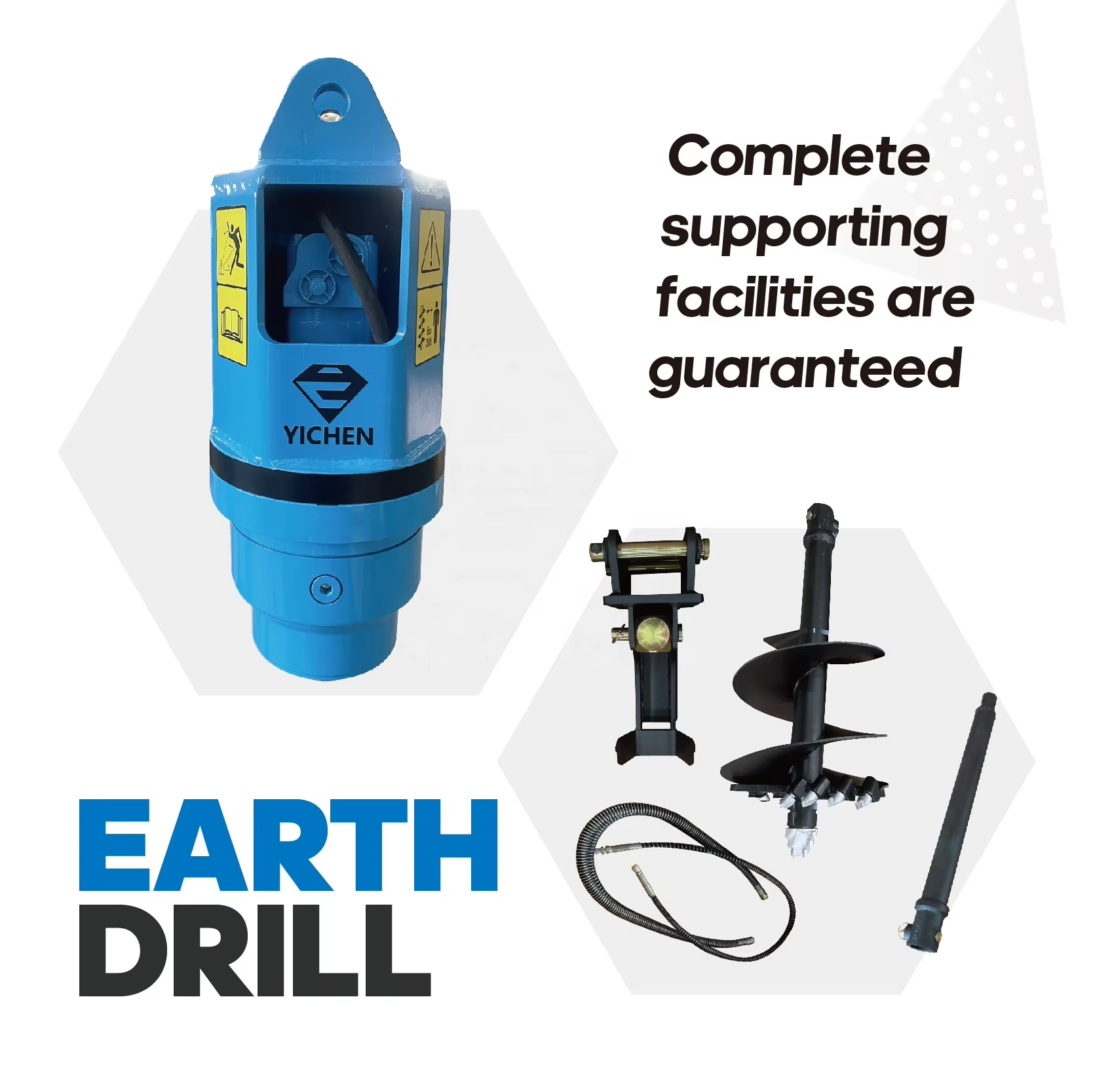
Understanding the Excavator Auger: Core Components and Functionality
What Is an Excavator Auger and How It Enhances Digging Efficiency
The excavator auger works as a hydraulic attachment that turns an excavator into something resembling a precision drilling machine. It gets power from the excavator itself through its hydraulic system and spins a drill bit to create deep, consistent holes across different kinds of soil. When compared against traditional manual digging methods, these attachments definitely boost efficiency since they cut down on labor requirements and speed things up considerably. Some people say maybe even five times faster though results do vary depending on conditions. Regular models tend to handle soft to medium soils pretty well, but when faced with tougher terrain like compacted earth or rocky ground, operators often switch to heavier duty versions equipped with stronger teeth. By adding extension shafts, these machines can drill much deeper than standard equipment allows. That makes them especially useful for installing utilities underground, setting foundations for buildings, and conducting geological surveys where deep boring is required.
Key Components: Auger Bit, Drive Transmission, and Flighting System
An excavator auger relies on three main parts working together to get the job done right. First off, there's the actual auger bit that does all the cutting. These come in various sizes and have different teeth arrangements depending on what kind of soil or rock they need to tackle. Then we've got the drive transmission which takes the hydraulic power from the machine and turns it into spinning force that makes the auger work properly. Without enough torque, even the best bits won't penetrate hard ground effectively. Lastly, the flighting system plays a crucial role too. Made up of those spiral shaped flights, it basically carries away the dirt and debris as the auger digs deeper. If this part gets blocked, operations can come to a grinding halt. Regular checks and proper maintenance of all these parts will keep the auger running smoothly through tough jobs and extend its lifespan significantly.
Daily and Periodic Maintenance for Optimal Excavator Auger Performance
Essential Daily Checks: Fluid Levels, Leaks, and Lubrication
Regular checks really help stop unexpected breakdowns and keep machines running longer. Start each day by looking at engine oil, hydraulic fluid, and coolant levels. Make sure these match what the manufacturer recommends because low fluids often mean there's a leak somewhere or something is burning through them faster than normal. Take a good look around at all those hoses, fittings, and seals too. Even small drips can turn into big problems when pressure builds up over time. Don't forget to grease every moving part and pivot point exactly how the manual says to do it. Good lubrication cuts down on friction which means less wear and tear on things like transmissions and conveyor belts. The whole process only takes about 15 minutes max, yet studies show this simple habit stops roughly four out of five mechanical issues before they happen.
Scheduled Inspections Every 250–500 Operating Hours
Regular daily checks are good but don't miss those deeper looks every 250 to 500 hours of operation. These longer inspections pick up problems that just aren't obvious when doing quick spot checks. The mounting bolts and other hardware tend to work themselves loose over time from all that vibration, so checking their tightness is pretty important. When looking at the hydraulic system, test what kind of pressure it's putting out and take a close look inside those hoses for any hidden damage. Don't forget about the gears and bearings either. Small pits or flakes starting to form on them mean bigger trouble down the road if we wait too long to fix things. Writing everything down in a proper maintenance journal makes all the difference. It shows patterns in how parts wear out and lets us adjust our service schedule according to what's actually happening in the field instead of following some generic guideline.
Wear Component Monitoring: Blade Sharpness and Flighting Integrity
Auger bits along with their flighting components constantly come into contact with really abrasive substances, so checking these parts regularly tells us a lot about how healthy the whole system actually is. When those cutting edges get dull or start showing damage, we see higher fuel usage and slower drilling speeds. This puts extra pressure on both the hydraulics and drive mechanisms which nobody wants. Make sure to look at those teeth periodically for signs of wear and swap them out before things get too bad and start affecting performance. Flighting deserves attention too. Keep an eye out for any bending, cracking, or when material starts building up on them. Damaged flights mean poor spoil removal from the hole and might even lead to equipment getting stuck mid-job. Getting ahead of these issues helps keep all the parts working properly and ensures our operations run smoothly without unnecessary downtime.
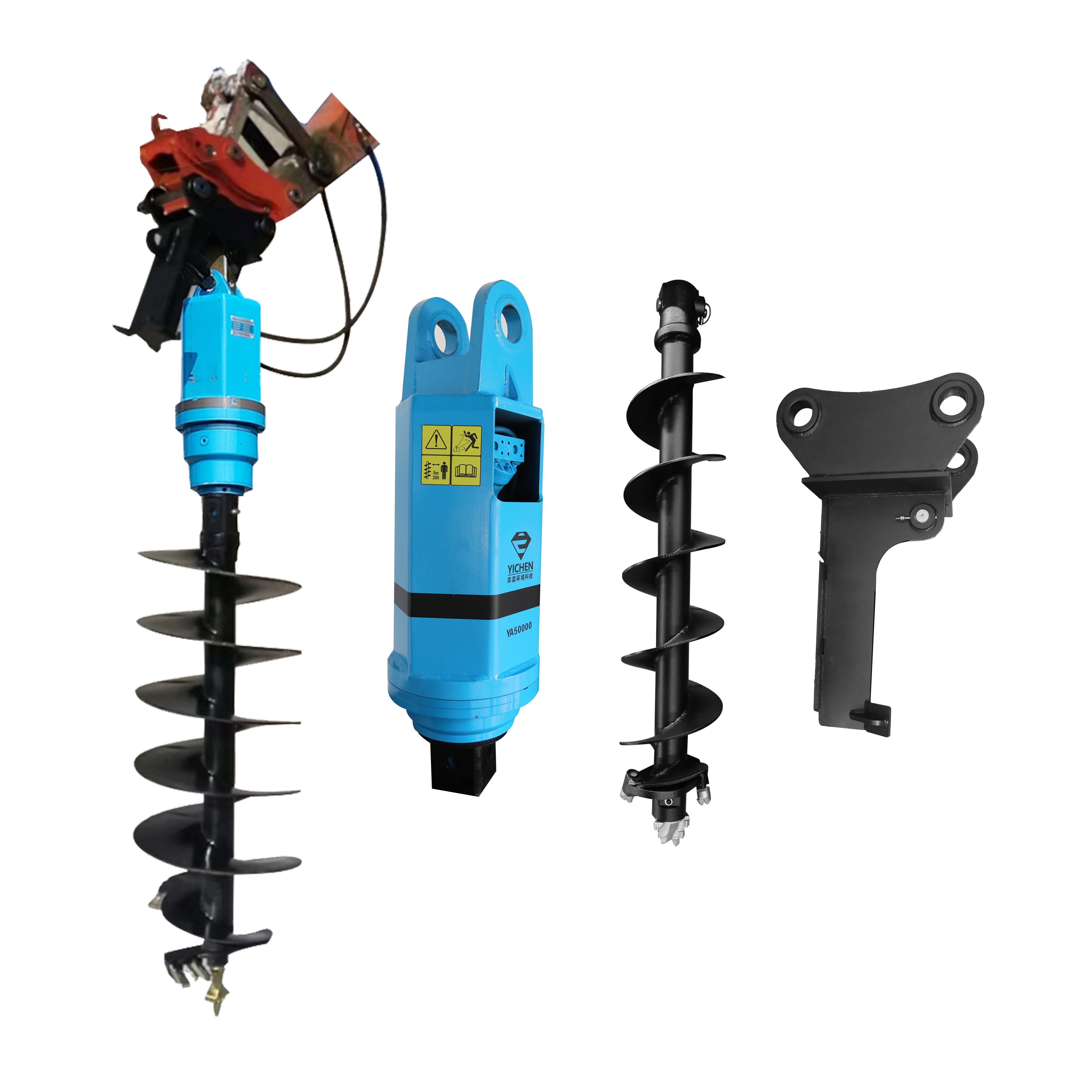
Preventive Maintenance Strategies to Avoid Costly Excavator Auger Repairs
Developing a Proactive Maintenance Schedule and Recordkeeping System
Setting up regular maintenance according to what the manufacturer recommends plus how hard the equipment actually gets used makes all the difference for keeping things running reliably over time. Good practice means setting specific times when to check everything, apply lubricants where needed, and swap out parts before they fail completely. Keep track of all these service actions in some sort of logbook so there's a paper trail showing what was done and when. When we start watching how different components wear down over time and looking back at past service records, it changes the whole game from constantly putting out fires to actually planning ahead. The numbers don't lie either – companies that follow this method tend to spend around 65% less on those expensive last-minute breakdown repairs, according to recent findings published in Equipment Maintenance Journal last year.
Avoiding Mechanical, Thermal, and Hydraulic Failures Through Early Intervention
When it comes to preventive maintenance, there are basically three areas we need to watch out for mechanical, thermal, and hydraulic problems. With mechanical issues, operators usually notice strange vibrations or slower drilling speeds which often means something is wrong with the flighting or maybe some drive parts are starting to fail. Thermal stress happens when cooling isn't working properly, and this leads to transmissions running too hot. That's why checking temperatures regularly makes such good sense for catching problems before they get bad. Hydraulic system troubles tend to begin with tiny leaks that nobody notices at first, but these little issues eventually turn into bigger problems like pressure drops and weaker torque output. The good news is vibration checks combined with thermal imaging technology can stop around 80% of really serious breakdowns. At least that's what most reliability reports on heavy machinery seem to indicate.
Case Study: Reducing Downtime by 40% with Consistent Preventive Care
One construction business rolled out a preventive maintenance plan for all their excavator augers last year, and saw pretty good results after twelve months on the clock. They stuck to regular service schedules while also bringing in some predictive methods like checking temperatures every three months, doing vibration tests once a month, and keeping close tabs on wear levels. These efforts cut down unexpected breakdowns by around 40 percent and saved them about 32% on repair bills. The augers themselves lasted roughly 30% longer than before, which made jobsite safety better since problems got spotted earlier before they could turn into major headaches.
Maximizing Lifespan and ROI Through Proper Storage and Operational Best Practices
Storing Excavator Augers to Minimize Moisture and Temperature Damage
Getting storage right makes all the difference when it comes to keeping augers in good shape while they're not being used. The best bet? Keep them somewhere with stable temperature and humidity levels if possible. If that's not an option, at least cover them up so moisture, heat spikes, and sunlight don't start eating away at the metal. After every job, give those augers a good cleaning to sweep off any dirt or grit that got stuck. A thin layer of machine oil on the bare metal parts helps stop rust from forming over time. Some industry reports suggest that properly stored equipment actually lasts longer between maintenance checks, with one study claiming around 30% less deterioration compared to gear left outside the elements.
Protecting Seals and Cutting Edges During Long-Term Inactivity
When equipment sits unused for long periods, protecting those delicate parts becomes really important. The hydraulic seals tend to dry out and crack if they're subjected to big temperature changes, which means there's a good chance of leaks when everything gets turned back on later. Most folks forget to apply those special seal conditioners recommended by the manufacturer before putting things away. Also worth noting is positioning the auger so it doesn't put stress on any seals while stored. Don't overlook covering those cutting edges either - just slap on some protective caps or guards to keep them sharp and avoid accidental damage from bumps and knocks during transport. Taking these precautions helps extend component life and saves headaches down the road when restarting operations after storage.
Following Manufacturer Guidelines to Ensure Peak Performance and Safety
Following what the manufacturer says about their gear really matters for keeping things safe and getting the most life out of equipment. The specs usually cover stuff like how to store it at the right angle, what temperatures are okay, when to oil moving parts, and those little checklists they want done before turning it on again. When companies actually take time to manage equipment through all its stages properly, including storage, operations run smoother and money spent on repairs goes down over time. Nobody wants surprises when bringing old equipment back online. Grabbing that operator manual and reading through it carefully before starting up something that's been sitting around makes sense for anyone who wants to avoid headaches later on.
Measuring the Impact of Maintenance: Longevity, Safety, and Cost Savings
How Routine Care Extends Excavator Auger Lifespan by Up to 30%
Regular maintenance can actually make excavator augers last about 30% longer in the field, based on what many equipment manufacturers have found over time. When operators take the time to check things regularly, give them a good clean, apply proper lubrication, and swap out those parts that show signs of wear, they're stopping small issues from becoming big problems down the road. The auger bit, flighting sections, and drive mechanisms all take a beating during operation, so keeping these components in good shape makes a real difference. What this means practically is slower wear overall and better performance even when working through tough materials or long hours on site.
Total Cost of Ownership: Lower Repairs and Higher Uptime with Preventative Maintenance
Regular preventive maintenance cuts down on overall costs over time. Sure, it takes some planning and upfront work, but this approach saves money by preventing those costly breakdowns that happen when equipment fails unexpectedly. And let's face it, nothing eats into profits like having machines sit idle waiting for repairs. Many businesses that implement smart maintenance plans see real benefits. Their repair expenses drop, their equipment runs smoother for longer periods, and assets tend to last well beyond expectations. When companies start viewing maintenance not just as something they have to do but as part of their core strategy, they end up with better performing systems and healthier bottom lines across the board.
FAQ
What is an excavator auger used for?
An excavator auger is used for drilling deep, consistent holes in various types of soil. It is particularly useful for tasks like installing underground utilities, setting foundations for buildings, and conducting geological surveys.
How does regular maintenance benefit excavator augers?
Regular maintenance extends the lifespan of excavator augers, enhances their performance by preventing small issues from becoming major problems, and reduces repair costs by preventing unexpected breakdowns.
What are some key components of an excavator auger?
Key components include the auger bit for cutting, the drive transmission for converting hydraulic power into spinning force, and the flighting system for clearing dirt and debris.
How often should excavator augers be inspected?
Daily checks are recommended for fluid levels, leaks, and lubrication, while more in-depth inspections should occur every 250 to 500 operating hours.
Why is proper storage important for excavator augers?
Proper storage minimizes damage from moisture, heat, and temperature variations, which can significantly extend the equipment's lifespan and performance.
Table of Contents
- Understanding the Excavator Auger: Core Components and Functionality
- Daily and Periodic Maintenance for Optimal Excavator Auger Performance
- Preventive Maintenance Strategies to Avoid Costly Excavator Auger Repairs
- Maximizing Lifespan and ROI Through Proper Storage and Operational Best Practices
- Measuring the Impact of Maintenance: Longevity, Safety, and Cost Savings
- FAQ