Introduction
Lime stabilisation of soil is a proven and cost-effective ground improvement technique used worldwide to enhance the engineering properties of subgrades and sub-bases. By treating problematic soils—such as clays with high plasticity or moisture content—with quicklime or hydrated lime, we can significantly increase soil strength, reduce swell potential, and improve workability for construction projects, from road building to foundation support.
Benefits of Lime Stabilisation
Enhanced Load-Bearing Capacity: Transforms weak soils into strong, durable base layers capable of supporting heavy loads.
Improved Workability: Rapidly dries wet soils and reduces plasticity, making them easier to compact and shape, saving time on-site.
Long-Term Cost Savings: By utilizing on-site materials instead of costly import and disposal, lime stabilisation provides a highly economical ground improvement solution.
Durability: Creates a permanent, weather-resistant layer that minimizes future maintenance needs.
The Process of Soil Stabilisation with Lime
Pulverization: The existing soil is broken up to the required depth.
Application: The precise amount of lime (quicklime or hydrated lime) is spread evenly over the area.
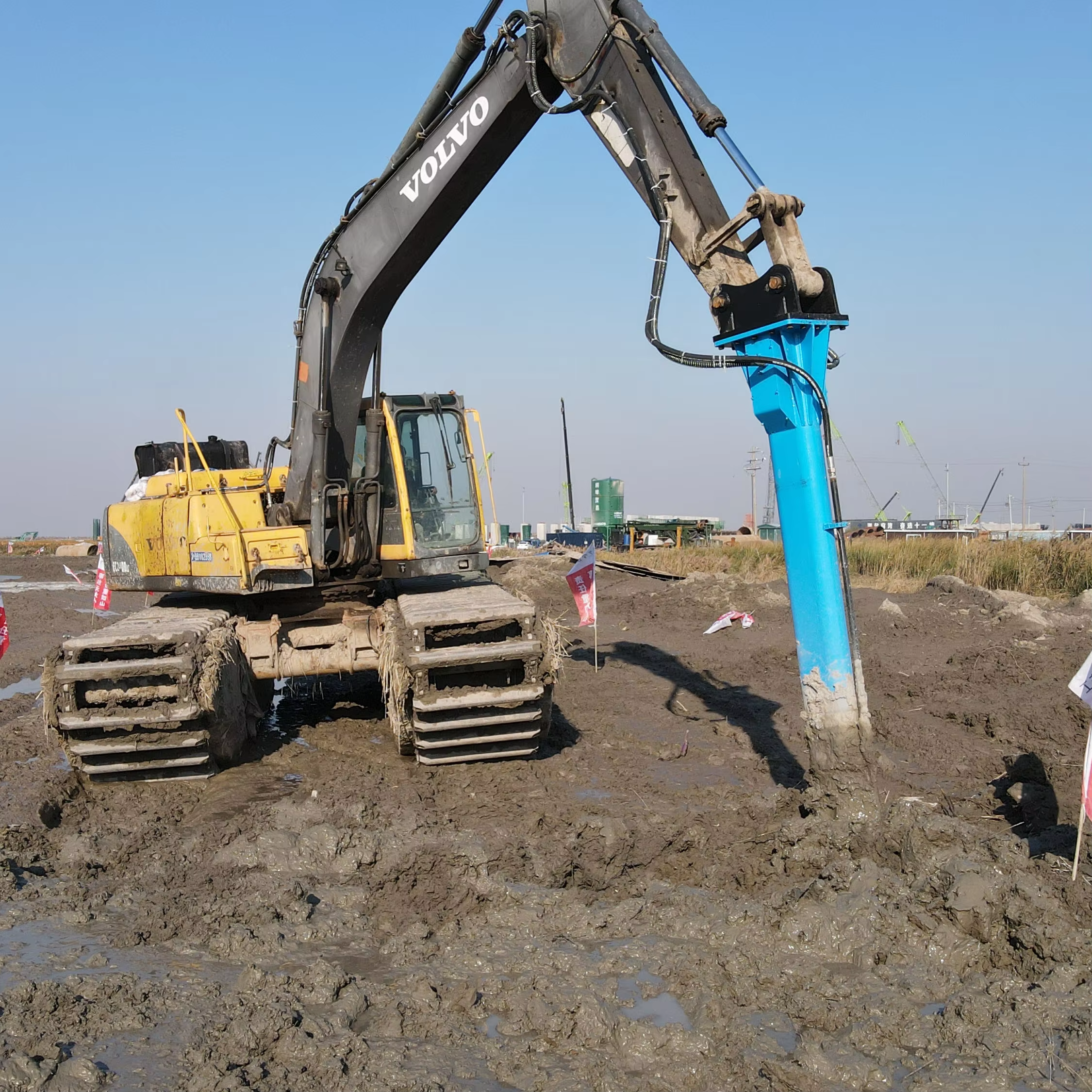
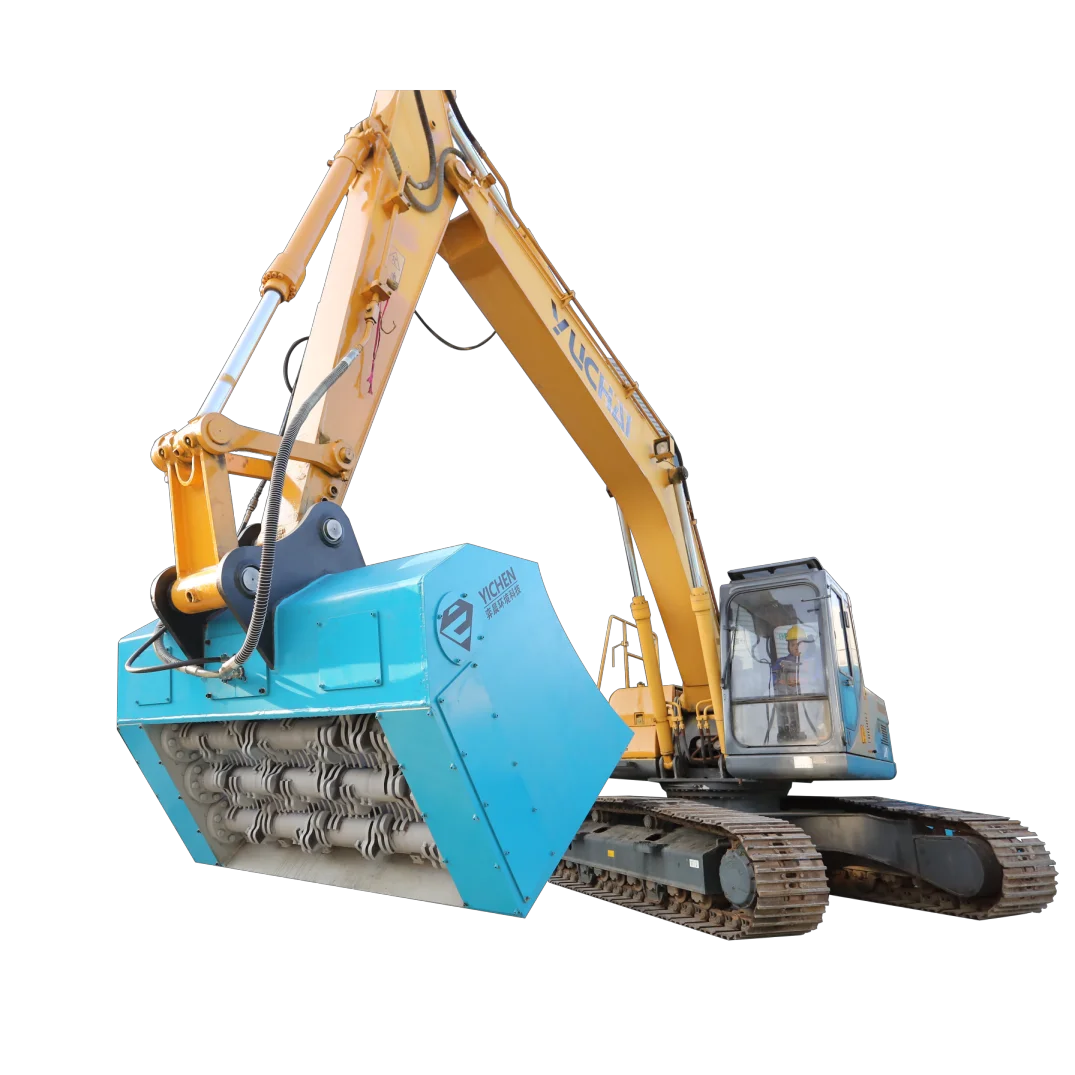
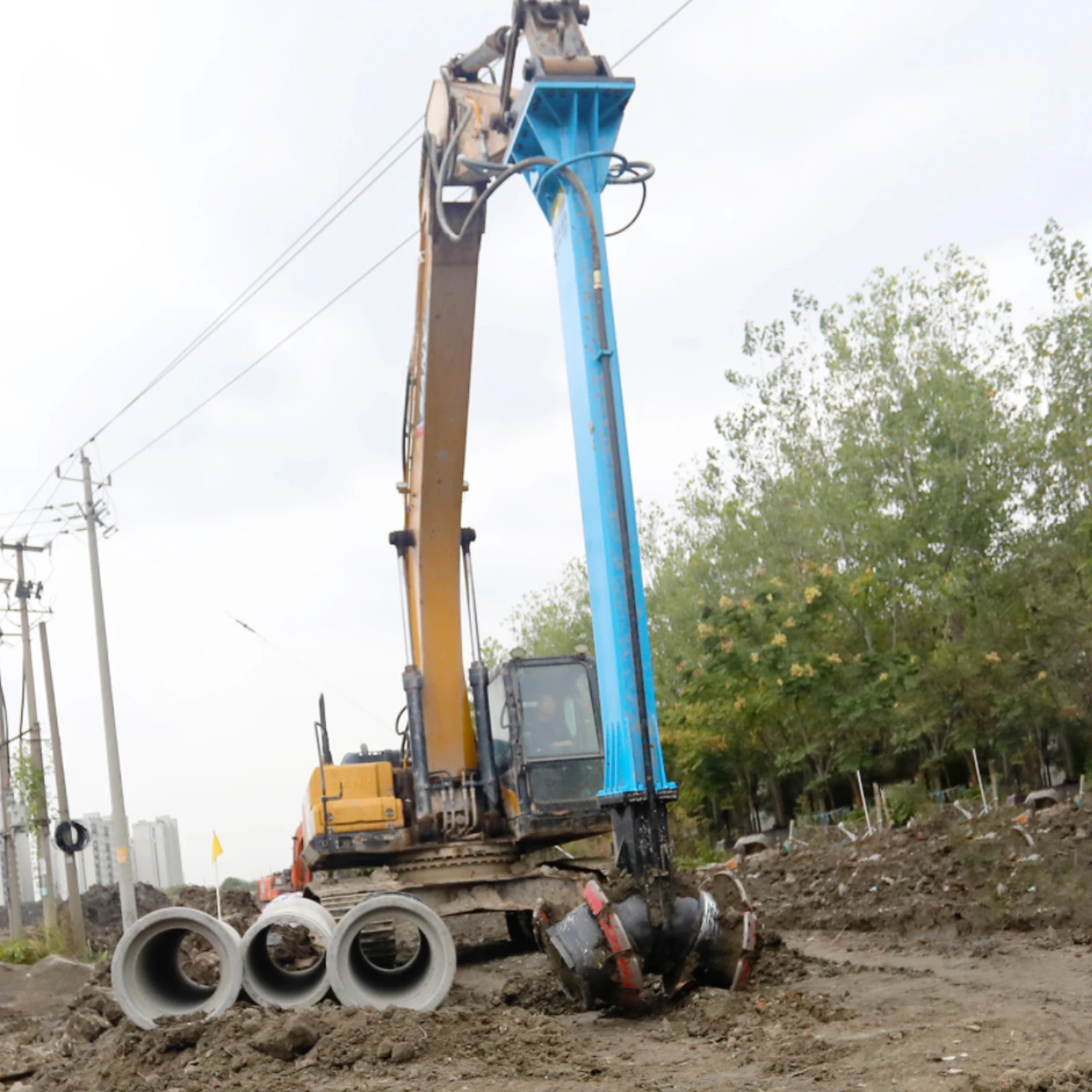
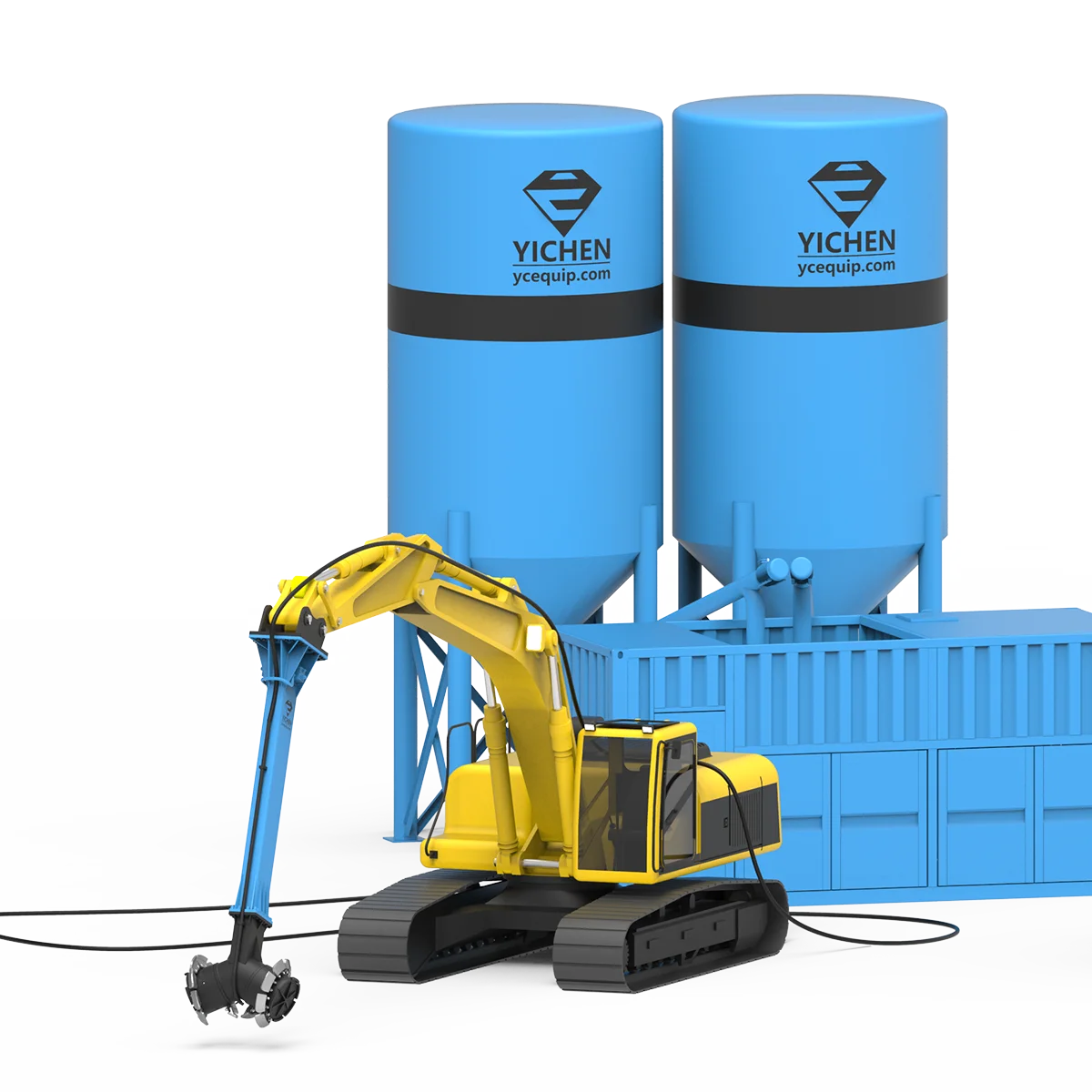
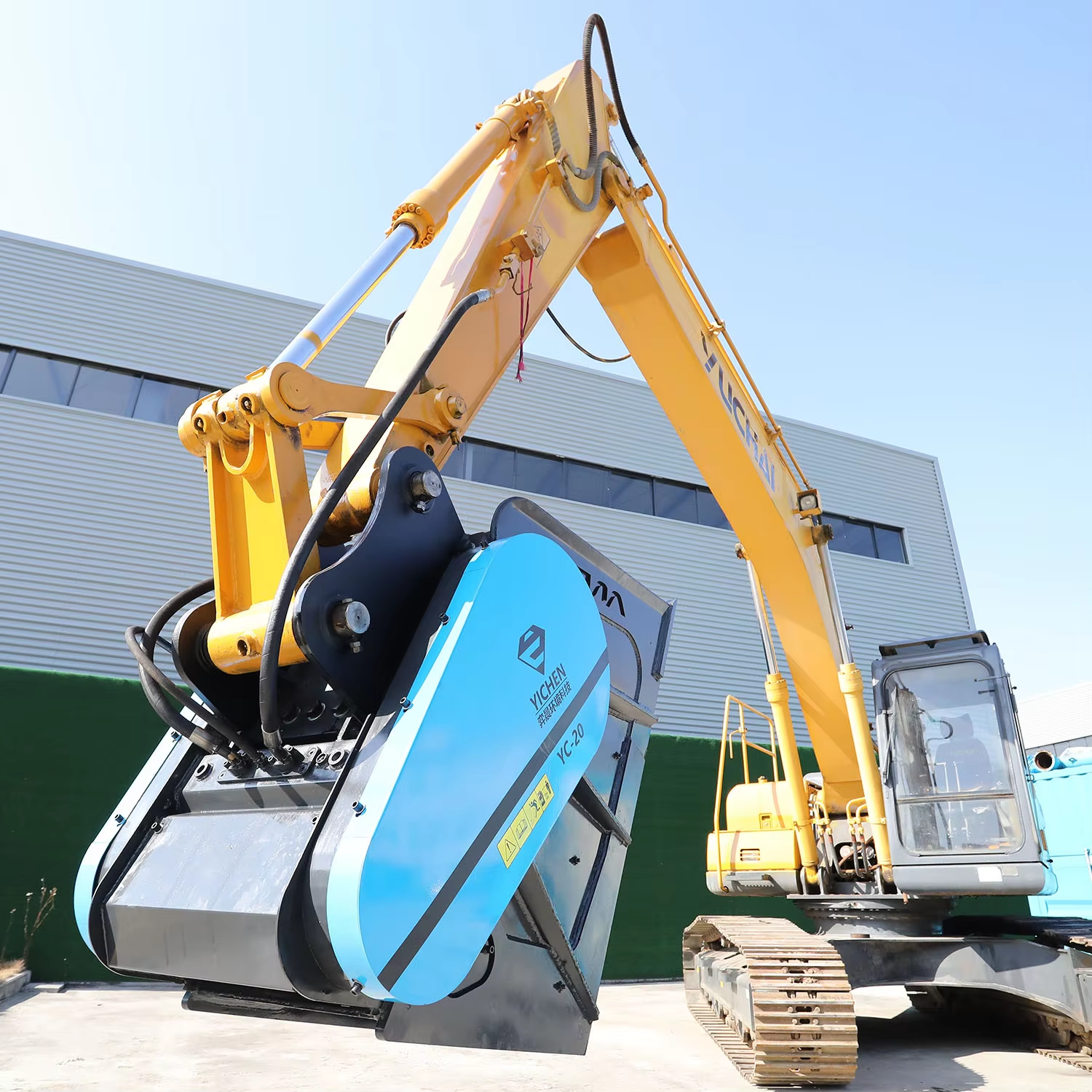
Mixing: The lime is thoroughly mixed into the soil using specialized equipment, such as our range of stabilizers.
Compaction: The mixture is moistened (if necessary) and compacted to the required density.
Curing: The stabilized layer is allowed to cure, forming a strong, cemented matrix.