EN
EN

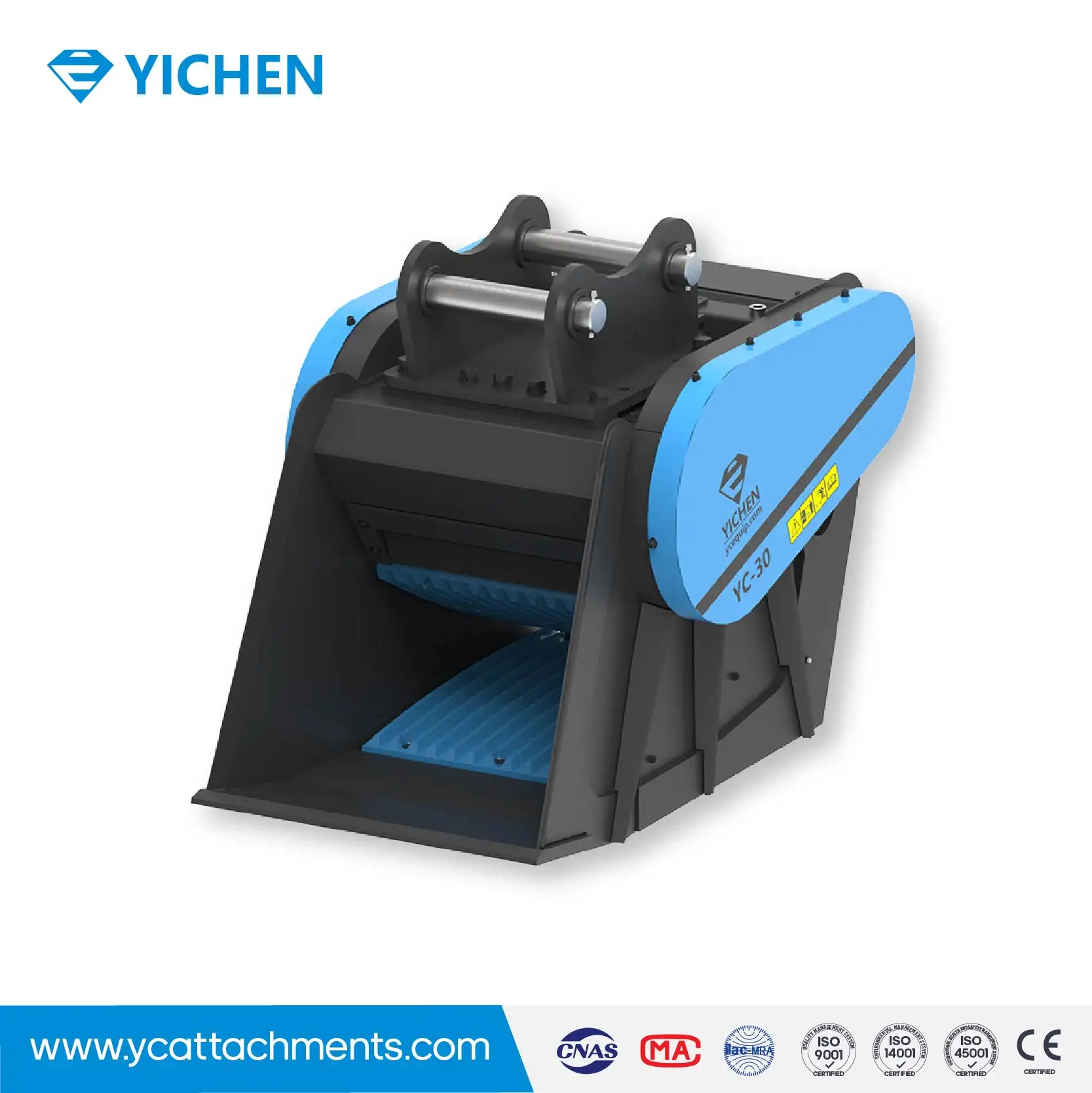
Crusher Buckets: The On-Site Engine for Closed-Loop Recycling
Hydraulic Integration with Excavators for Mobile, Low-Footprint Crushing
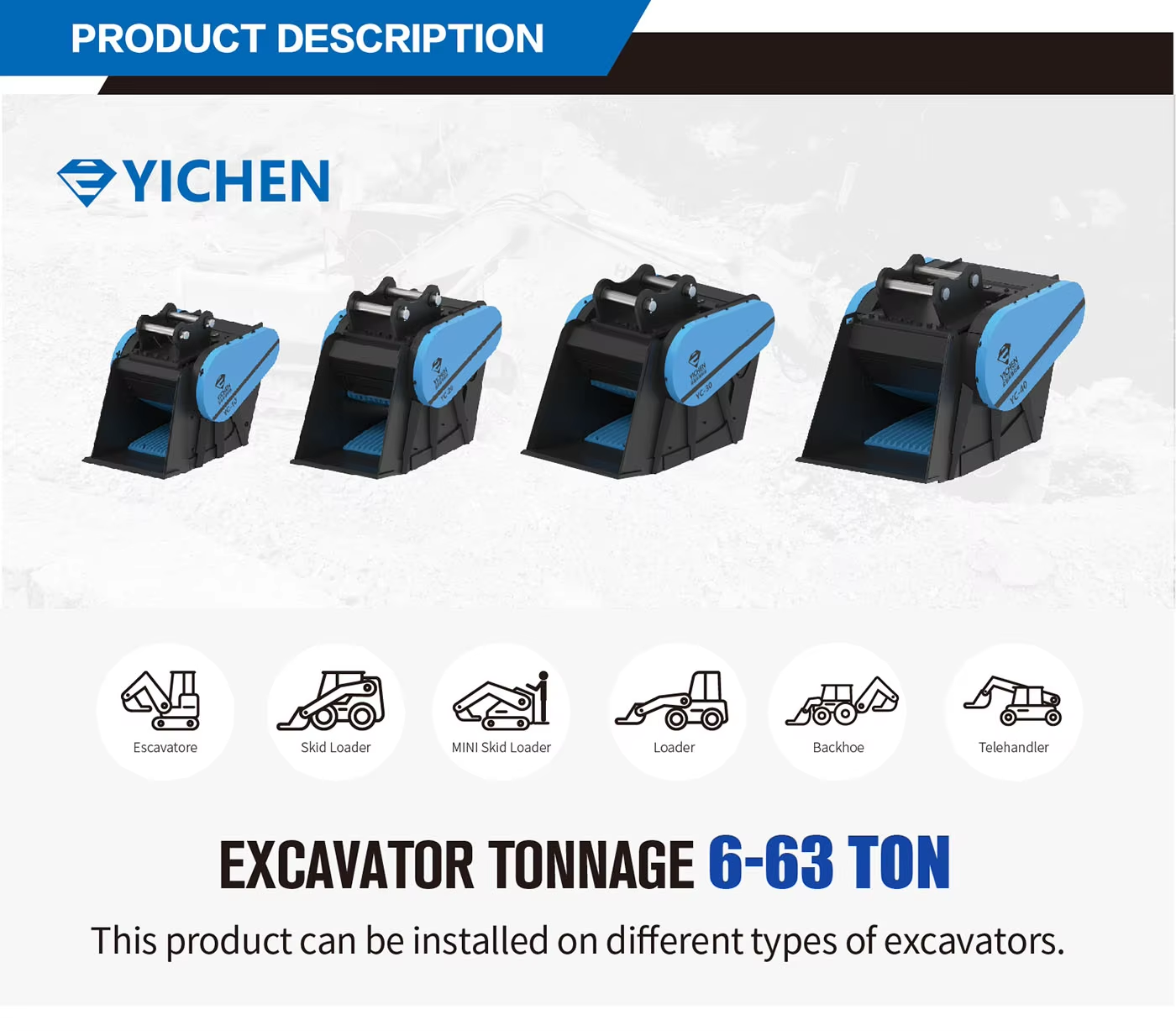
Crusher buckets turn regular excavators into portable processing machines simply by connecting to the main hydraulic system of the host equipment. No need anymore for those big fixed crushing stations since these attachments can crush concrete, old asphalt, and all sorts of demolition waste right where the work happens, even when getting heavy machinery onto the site is tricky. The space savings are impressive too, requiring about 80 percent less ground area compared to conventional methods, which makes them perfect for tight spots in busy city areas. Workers can tweak the crushed material size as needed during operations to fit what the job requires. Plus, most modern models come with built-in systems that help control dust and reduce noise levels, so contractors stay within the bounds of local environmental rules without much hassle.
Real-World Impact: 92% Reduction in Off-Site Disposal on a London Retrofit Project
In London, a recent high rise renovation project managed to process around 12,500 tonnes of old concrete from demolition work into something useful again through special crusher buckets. This approach reduced what would normally go to landfills by about 92 percent according to the 2024 Urban Recycling Report. The results were pretty impressive too. No need for those 2,200 truck trips anymore, carbon dioxide emissions dropped by nearly a third, and there was a saving of £148k on landfill taxes alone. What this shows is that when cities recycle materials right where they're needed, instead of shipping everything away, both the environment and budgets benefit significantly. Especially important now as space gets tighter and regulations become stricter across urban areas.
From Demolition Waste to Spec-Compliant Aggregate Using Crusher Buckets
Processing Concrete and Asphalt into RC-Approved Subbase and Backfill
Crusher buckets take care of demolition rubble right at the job site, turning it into subbase and backfill materials that meet RC standards. There's no need to haul stuff away for processing or do extra sorting work elsewhere. The hydraulic jaws actually crush up concrete and asphalt down to just the right sizes, and those built-in systems for separating metal get rid of rebar and mesh with almost perfect efficiency around 99%. Contractors don't have to worry about pre-sorting anything either since wood bits and plastic pieces basically get tossed out during the crushing process, which keeps both the machines running smooth and maintains good material quality. Most contractors find they can reuse all the crushed concrete as structural fill material, which cuts down on project time by roughly 40% compared to what happens when things go through traditional disposal methods.
Ensuring Gradation Control and Contaminant Removal for Regulatory Acceptance
Getting gradation right matters a lot when it comes to getting regulatory approval, and that's where crusher buckets really shine thanks to their ability to control outputs precisely and screen materials effectively. With adjustable settings, these machines keep particles distributed consistently within about 5% variance, which means around 95% of recycled aggregates get accepted by projects run by the Department for Transport and Highways England. The contaminant removal systems do a great job pulling out stuff that doesn't belong like plastic bits, wood fragments, and insulation materials, all while hitting those ASTM C33 standards needed for concrete aggregates without needing any extra processing steps. What this means in practice is that operators end up with materials that meet specifications right out of the bucket, saving time and money on corrections later on.
Environmental and Economic Benefits of Crusher Bucket–Driven Recycling
Cutting CO₂ Emissions by 1.3 Tonnes per Tonne vs. Virgin Aggregate Quarrying
For every tonne of recycled aggregate made right at the site using a crusher bucket, we're looking at about 1.3 tonnes fewer CO2 emissions than what happens when we dig up and process brand new materials from quarries. The reason? We skip all those energy hungry processes that normally come with fresh aggregates like blasting rock faces, doing the initial crushing, shipping stuff over long distances, and then going through another round of screening. Since these crusher buckets work exactly where buildings get torn down, they cut out the whole complicated supply chain before anything even starts. Instead of sending waste away, they turn it into something useful and much better for the environment while the job is still happening.
Reducing Haulage Miles, Fuel Use, and Landfill Tax Exposure
When materials get processed right at the site, we can slash transportation needs by as much as 80%. This means less diesel burned, fewer harmful particles released into the air, and roads don't wear down so fast either. Take away just 10 kilometers worth of truck journeys for a standard 20 ton load and around 14 liters of fuel stays in the tank instead of getting used up. The numbers really stack up in places like Britain where dumping waste at landfills costs over £100 per ton. Companies save money twice over when they avoid those disposal charges and still have ready access to legally approved fill material. Urban construction sites especially benefit from this method since material management expenses drop between 30 to 50 percent without any issues meeting regulations or falling behind schedule.
FAQs
What are crusher buckets and how do they operate?
Crusher buckets are attachments that turn excavators into mobile crushing machines by integrating with their hydraulic systems to crush and recycle concrete, asphalt, and demolition waste on-site.
How do crusher buckets benefit urban recycling projects?
They significantly reduce landfill waste, cut down on transportation emissions, and save costs by recycling materials directly at the site, which is essential for space-constrained urban environments.
Are crusher buckets environmentally beneficial?
Yes, they greatly cut CO2 emissions compared to traditional quarrying methods and help keep roads and urban areas cleaner by reducing haulage needs.