EN
EN

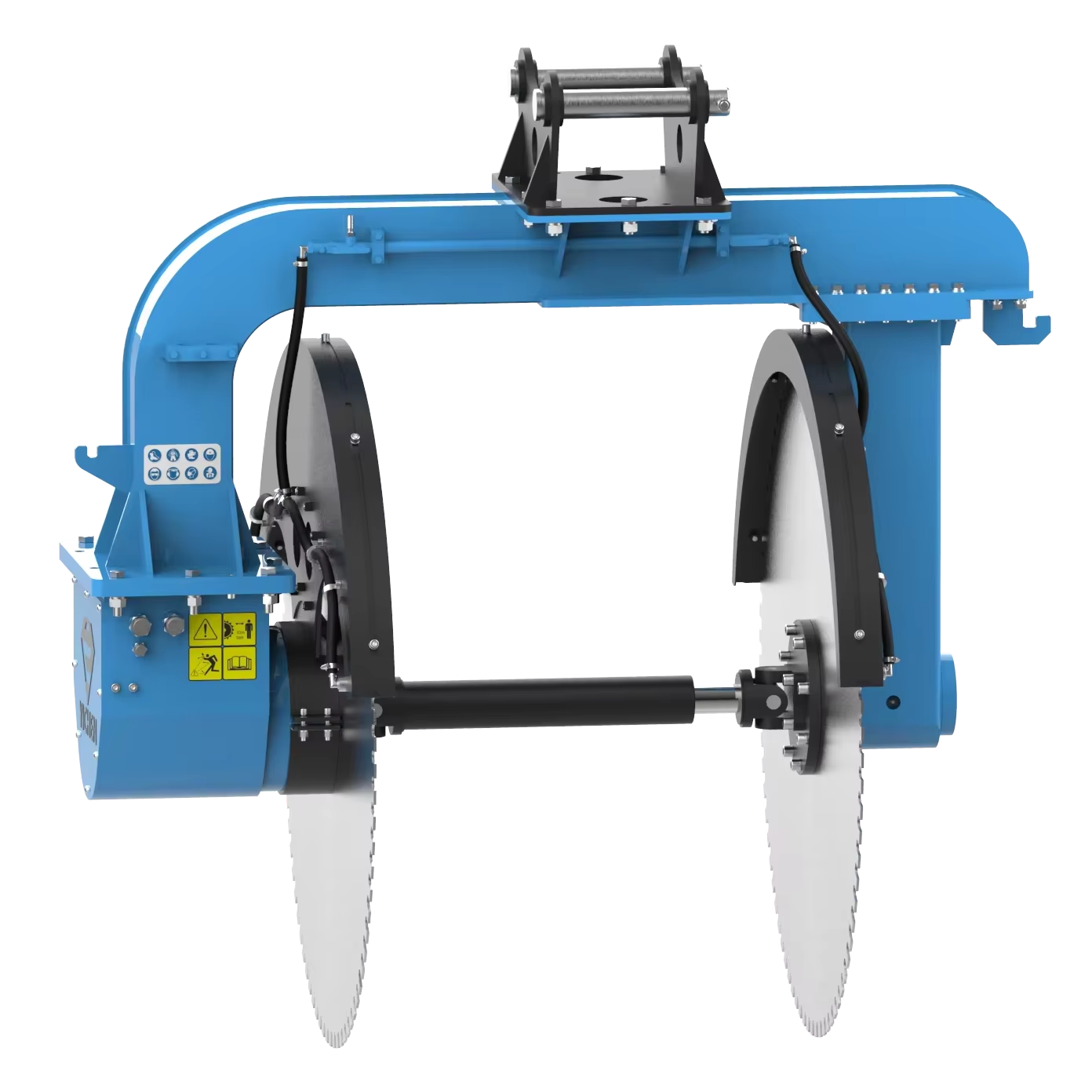
Precision Performance: How Rock Saws Deliver Controlled Cuts in Hard Materials
Line Accuracy and Minimal Overbreak: Why Rock Saws Excel in Dimensional Integrity
Rock saws can cut through tough materials with about ±2mm accuracy, which matters a lot when working on things like building foundations, utility paths, and tunnel entrances. These machines have blades tipped with diamonds that spin between 200 and 400 RPM. Construction studies show this spinning cuts down accidental cracks by around 70% compared to methods that rely on pounding away at rock. The way these saws work keeps the blade touching the surface all the time, so they follow contours pretty accurately without going outside accepted building standards. What makes them really valuable is how they prevent what's called overbreak, where extra material gets removed past where it should stop. This helps keep structures intact and saves money on fixes later on, with reports showing cost reductions of about 35% across various infrastructure jobs.
Surface Finish Quality: Diamond Blade Cleanliness vs Drum-Induced Smearing
Rock saws create much cleaner cuts compared to drum cutters which tend to smear when working with sticky or frozen ground conditions. These saws leave behind dimensionally stable surfaces that work great for things like structural connections, architectural detailing, or putting down waterproof membranes right away. Diamond blades on these machines produce really smooth edges with chips so small they measure less than a millimeter across. Most of the time this means there's no need for extra grinding after cutting. Tests across the industry show these diamond blades keep over 95% cleanliness rating even when temperatures drop below freezing to around -20 degrees Celsius. That's where traditional drum methods start having problems with ice sticking or clay getting stuck to them. What this all means is better surface quality straight out of the machine, so workers can move on to next steps without waiting for fixes or corrections later on.
| Material | Cutting Depth | Surface Roughness | Vibration Transfer |
|---|---|---|---|
| Concrete (40 MPa) | 60–90 cm | ± 0.3 mm | 8–12 dB |
| Granite | 40–70 cm | ± 0.5 mm | 10–15 dB |
| Reinforced Asphalt | 120 cm | ± 0.4 mm | 6–10 dB |
Drum Cutter Capabilities: Torque, Adaptability, and Strength in Challenging Ground
Frozen Ground and Mixed-Layer Excavation: Where Hydraulic Drum Cutters Outperform
Hydraulic drum cutters produce really impressive torque, sometimes going over 300 kN. Because of this power, they work especially well in tough conditions like frozen soil areas, glacial till deposits, and those tricky mixed layer geological formations where regular rock saws tend to get stuck or bounce off. The way these machines operate is pretty neat too. Their rotating drum keeps applying pressure continuously, which helps break apart ice-bound materials and all sorts of different ground compositions such as combinations of soil and rock. This method doesn't create sudden shocks that can damage surrounding areas. For projects in sensitive cold environments, like laying pipelines through the Arctic or building during winter months, this matters a lot. Compared to straight line cutting equipment, drum cutters just keep moving forward through changing ground types without needing constant tool swaps. Field tests show operators save about 40% on downtime when working through complicated terrain with these machines.
Vibration Dampening and Adaptive Load Management in Variable Geology
Today's drum cutters come equipped with hydraulic cushioning features and can modulate torque in real time, which helps keep things stable when working through different types of ground. When moving from soft sediment into tougher stuff like broken rock formations, the onboard pressure sensors kick in automatically to tweak the motor power. This keeps the cutting going at just the right speed while protecting the main machine from those damaging vibrations. The way these systems handle changing loads actually makes attachments last about 25 percent longer compared to older rigid setups. Plus they work great for shaping surfaces in areas prone to earthquakes or inside tunnels with lots of cracks. Rather than competing directly with rock saws, modern drum cutters serve as their partner in handling situations where pure precision just isn't enough.
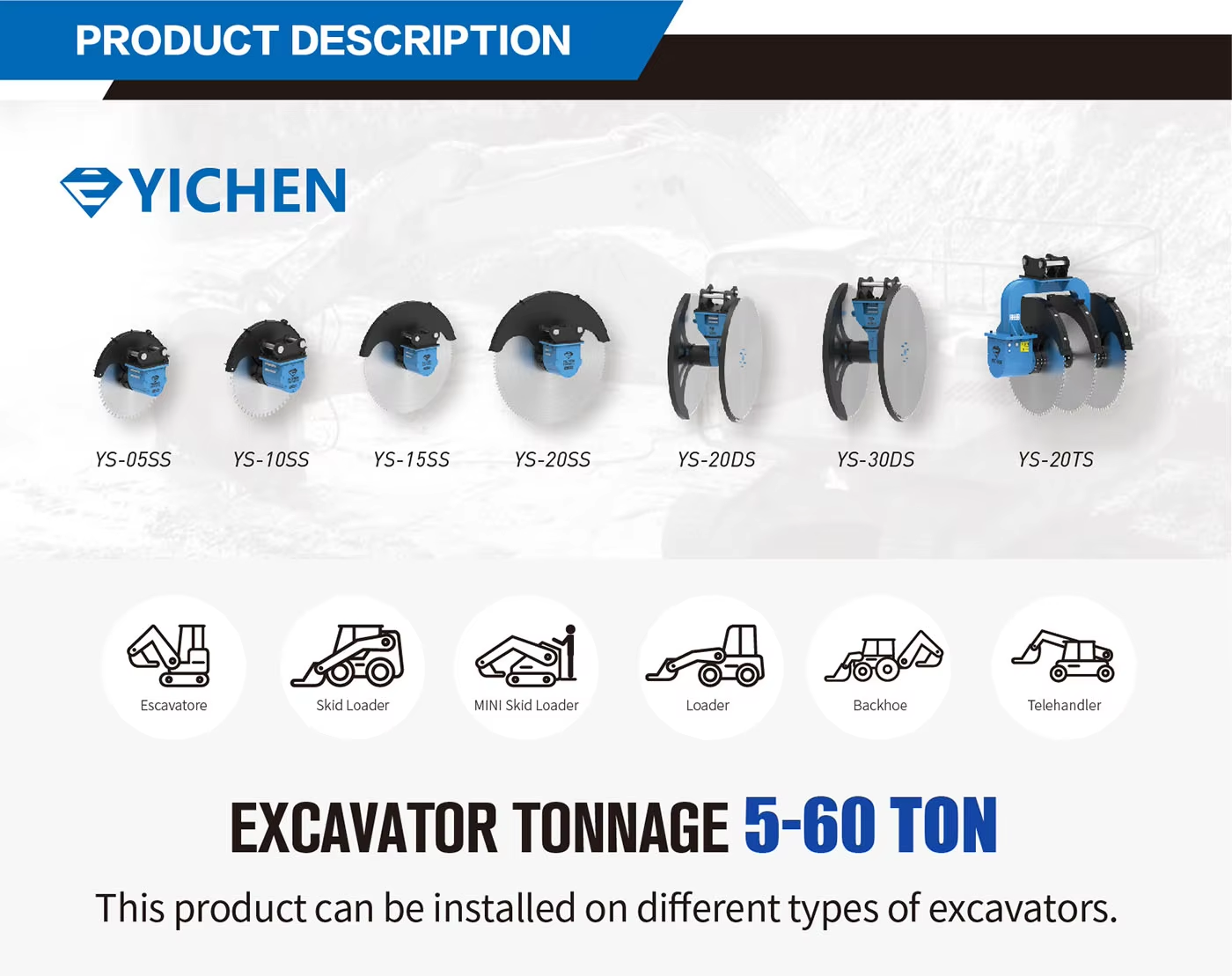
Rock Saw vs Drum Cutter: Matching Tool Strengths to Project Requirements
Choosing the right tools really comes down to matching what they can do with what's needed at each job site instead of going for whatever looks best overall. Rock saws work wonders when precision matters most – think about keeping exact dimensions, maintaining good surface quality, and controlling vibrations. These situations include digging trenches close to active infrastructure, careful work during archaeological digs, or making those last profile cuts necessary for proper waterproofing. The diamond blades used in these saws achieve around 2mm accuracy and cut down on dust particles floating in the air by roughly between 30% to 50% compared to traditional impact techniques.
Drum cutters dominate where torque, material fragmentation, and adaptive resilience drive productivity: frozen ground, abrasive basalt, or layered strata requiring rapid, uninterrupted progress. With hydraulic torque up to 15,000 Nm and intelligent load response, they penetrate efficiently while suppressing vibration transfer that could destabilize adjacent structures.
The optimal approach is rarely “either/or.” It's phased: rock saws for precision-critical startup and finishing; drum cutters for high-volume, variable-ground advancement.
Real-World Validation: Case Evidence from Critical Infrastructure Projects
Yichen Environment Tech Co Ltd's Dual-Tool Strategy in Tunnel Portal Excavation
For a big tunnel portal job dealing with tricky ground conditions like weathered granite, patches of frozen silt, and rough conglomerates, Yichen Environment Tech went with a two-stage approach using different tools. At the entrance area where getting the structure right mattered most for waterproofing, they used rock saws to cut starter trenches that stayed within 2mm of the target line and left no messy residue behind, which helped the waterproof membranes stick properly. When digging moved into those mixed and icy sections, the team switched to hydraulic drum cutters. These machines handled the frozen material pretty well thanks to their adjustable power settings, breaking through ice-locked rocks without jamming up or shaking too much. By alternating between these methods instead of sticking to one technique, they managed to cut down on tool wear by about 40%. Plus, there was no need for fixing mistakes later on the finished surfaces. The whole process ran faster, kept nearby structures safer, and met all the required dimensions plus environmental standards. In practice, this shows how combining careful planning with the right kind of power actually works better together than either could alone.
Frequently Asked Questions (FAQ)
What makes rock saws particularly precise in cutting?
Rock saws use diamond-tipped blades rotating at 200–400 RPM to achieve about ±2mm accuracy, significantly reducing accidental cracks and maintaining structural integrity.
Why are drum cutters preferred in frozen and mixed-layer grounds?
Drum cutters offer high torque up to 300 kN, which makes them effective in challenging environments like frozen soil, as they continue applying pressure without sudden shocks.
How do drum cutters manage vibration during operations?
Drum cutters feature hydraulic cushioning that modulates torque in real-time, helping stabilize cutting processes and reducing damaging vibration transfers.
Can rock saws and drum cutters be used together?
Yes, rock saws and drum cutters complement each other effectively—rock saws for precision tasks, drum cutters for high-volume and varied-ground work.
Table of Contents
- Precision Performance: How Rock Saws Deliver Controlled Cuts in Hard Materials
- Drum Cutter Capabilities: Torque, Adaptability, and Strength in Challenging Ground
- Rock Saw vs Drum Cutter: Matching Tool Strengths to Project Requirements
- Real-World Validation: Case Evidence from Critical Infrastructure Projects
- Frequently Asked Questions (FAQ)