EN
EN

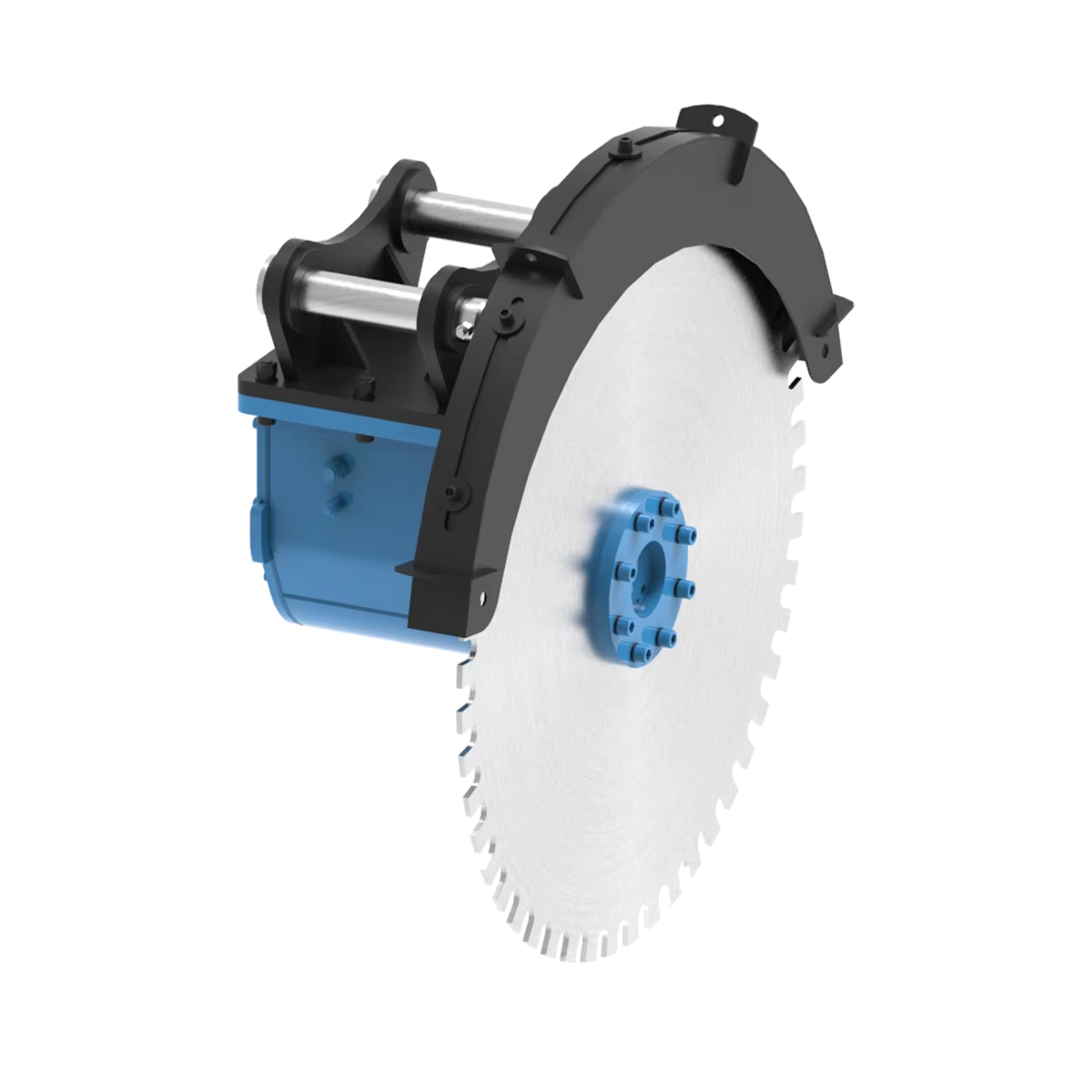
How Three-Blade Rock Saws Achieve Superior High-Output Performance
Simultaneous Multi-Zone Cutting Reduces Pass Count by Up to 60%
Rock saws with three blades cut three parallel grooves at once, making them really efficient for the job. Instead of going back and forth multiple times like old single blade systems, these triple blade models get the work done in one pass. Industry tests show this can cut down on operational cycles by around 60%. Construction teams working on jointed concrete pavements have noticed their projects finish about 40% quicker when using these triple blade setups. The blades stay pretty consistent in depth across all those grooves too, so there's less time wasted adjusting things mid-job. Less moving around means the cutting surfaces last longer too we're talking about 25 to 30% less wear and tear. Plus fuel savings add up over time, which matters a lot for big infrastructure jobs where getting those grooves aligned just right makes all the difference in how strong the final structure will be.
Hydraulic Power Distribution Across Interlocked Blades Maximizes Torque Efficiency
Today's three blade rock saws come equipped with sophisticated hydraulic systems featuring pressure balanced manifolds that spread power between the interconnected blades. This smart power management keeps torque levels high at every cutting point, so the machine doesn't stall when tackling tough materials such as reinforced concrete or granite formations. Independent testing following ASTM standards shows these hydraulic models convert energy about 32 percent better than their pneumatic counterparts. What makes this system stand out is how the synchronized circuitry lets each blade keep running at ideal RPMs even when workload changes. As a result, heat accumulation drops around 40%, which means longer blade life for operators. Traditional single blade setups often struggle with power loss during heavy cuts, but this multi blade approach allows workers to cut straight through material at full depth without worrying about component overload issues.
Optimizing Rock Saws for Road Construction and Reinforced Concrete Applications
Calibrating Blade Spacing for Crack Control in Jointed Concrete Pavement
Getting the blade spacing right on those triple saw setups makes all the difference when it comes to controlling how cracks spread through jointed concrete pavements. If the grooves line up properly with the panel sizes, usually around 3 to 5 meters apart, then contraction joints will form where they should rather than developing random cracks everywhere. Studies from the Federal Highway Administration actually show pavements last about 40 percent longer with regular grooving patterns versus haphazard ones. Most experienced operators know that adjusting the spacing based on local temperature conditions really matters too. In hotter areas, they tend to go with something like 300 mm or less between cuts, while colder regions need at least 450 mm spacing. What makes triple blades so good is their ability to cut multiple grooves at once with consistent depth across the whole surface. This eliminates those pesky alignment issues that happen when workers have to make several separate passes over the same area.
Urban Infrastructure Retrofits: Why Multi-Blade Rock Saws Replace Single-Blade Groovers
Multi blade rock saws are now pretty much standard equipment when it comes to upgrading infrastructure in crowded city areas. The triple blade models can slice through several utility trenches at once during a single pass across the road. This cuts down on the time needed for corridor improvements by around two thirds compared to older methods. And let's not forget about those repeated lane closures that drain city budgets at about fifteen thousand dollars per day just because of all the traffic jams they create. What makes these machines really stand out is how their hydraulics work together so smoothly, creating roughly seventy percent less shaking than traditional pneumatic groovers. That matters a lot when working close to historic building foundations or right next to active subway tracks where even small vibrations could cause problems. With more cities pushing forward with fiber optic installation projects and expanding stormwater management systems, most contractors naturally gravitate toward multi saw setups since they minimize surface damage and pose fewer risks to existing structures throughout complicated urban landscapes.
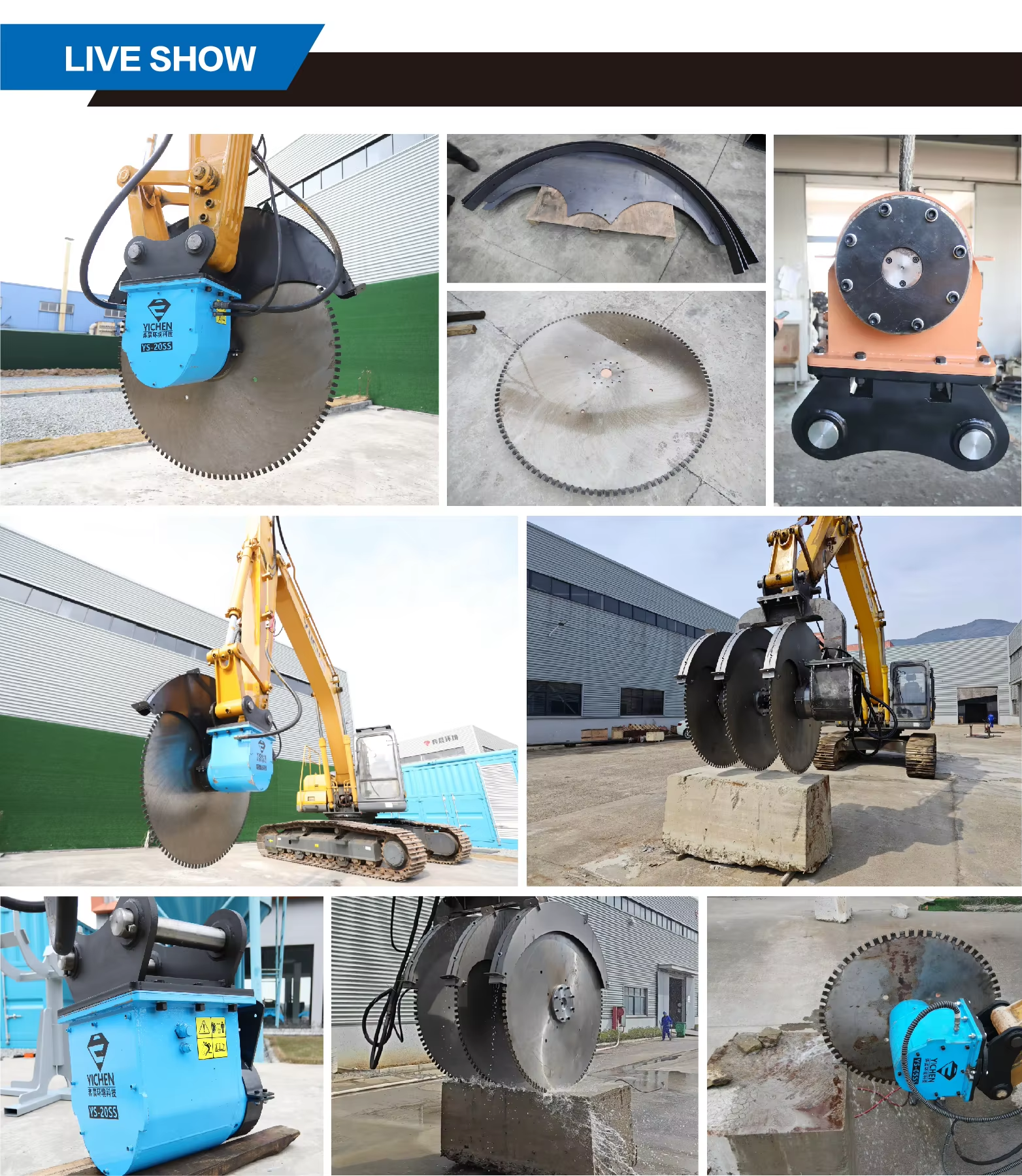
Hydraulic Efficiency and System Integration Advantages of Modern Rock Saws
32% Higher Hydraulic Energy Conversion vs. Pneumatic Systems (ASTM F2925-22)
According to ASTM standard F2925-22, today's hydraulic rock saws convert energy about 32% better than their pneumatic counterparts. The reason? Hydraulic systems send power straight to those interlocking blades without losing so much energy creating and moving compressed air around. What does this mean practically? Operators see around $18 saved every hour on fuel when running nonstop, plus they get steady cutting power even when conditions change, and the machine doesn't stall as easily when tackling tough reinforced concrete sections. These closed loop hydraulic systems let workers make deeper cuts in each pass while keeping blades cooler for longer life. Plus there are built-in circuits managing both cooling and dust removal, which keeps things running smoothly even when working in wet conditions something most pneumatic tools struggle with completely.
Critical Blade Specifications: Diameter, Depth, and Stroke for Real-World Rock Saw Performance
Why 610mm Triple-Blade Arrays Outperform 760mm Singles in Hard Foundation Grooving
When it comes to grooving tough foundations, triple blade setups with 610mm blades beat out those big 760mm single saws because they're better balanced mechanically and work more efficiently overall. The smaller blades create about 20% less centrifugal force, so they can spin faster around 1,200 RPM compared to the slower 900 RPM of bigger blades, all while keeping measurements accurate down to about a tenth of an inch. What really makes a difference though is that triple setup cutting three parallel grooves at once means we need way fewer passes overall, cutting down on work time by roughly 60% when making the same pattern repeatedly. How does this help? Well, spreading the workload across the hydraulic system keeps things from getting overloaded, something that often breaks bigger single blades working on granite or reinforced concrete. These triple blade arrays typically cut between 600 to 900 millimeters deep in regular concrete and manage 400 to 700 mm in harder granite materials. Projects finish anywhere from 35 to 40% quicker since the machine uses power more efficiently and spends less time stopping and starting to reposition. Plus, the blades are interlocked together, which helps maintain consistent movement and reduces vibrations during operation. This matters a lot when working with dense materials where single blade systems tend to wear out much faster over time.
FAQ
How do triple-blade rock saws reduce the number of passes required?
Triple-blade rock saws can cut three parallel grooves at once, significantly reducing the number of operational cycles, often by 60% when compared to single blade systems.
What role does hydraulic power distribution play in the efficiency of these rock saws?
Hydraulic systems in triple-blade rock saws evenly distribute power across the blades, maintaining high torque and efficiency even with tough materials, thus enhancing performance and reducing component overloads.
Why are 610mm triple-blade arrays preferred over 760mm singles for hard foundation grooving?
Triple-blade arrays of 610mm are preferred as they are mechanically balanced, spin faster, and require fewer passes, making them more efficient for hard material grooving compared to larger single blades.
How do multi-blade rock saws contribute to urban infrastructure projects?
Multi-blade rock saws allow for simultaneous cutting of utility trenches, minimizing time for corridor improvements, reducing vibrations, and thus protecting nearby structures, which is crucial in urban settings.
Table of Contents
- How Three-Blade Rock Saws Achieve Superior High-Output Performance
- Optimizing Rock Saws for Road Construction and Reinforced Concrete Applications
- Hydraulic Efficiency and System Integration Advantages of Modern Rock Saws
- Critical Blade Specifications: Diameter, Depth, and Stroke for Real-World Rock Saw Performance
-
FAQ
- How do triple-blade rock saws reduce the number of passes required?
- What role does hydraulic power distribution play in the efficiency of these rock saws?
- Why are 610mm triple-blade arrays preferred over 760mm singles for hard foundation grooving?
- How do multi-blade rock saws contribute to urban infrastructure projects?