
In modern construction, demolition, quarrying, and roadwork, contractors are under constant pressure to complete projects faster, reduce disposal costs, and meet higher sustainability standards. One of the most practical ways to achieve all three g...
VIEW MORE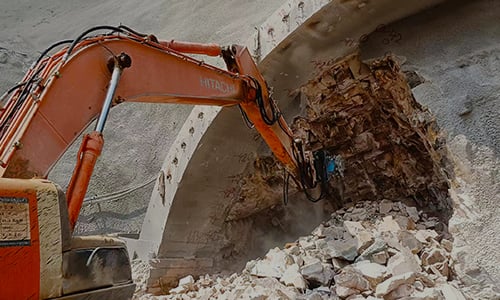
Why Three-Blade Rock Saws Excel in Road and Concrete Cutting Synchronized Multi-Blade Operation for Continuous, High-Output Cutting Rock saws with three blades work much better because their blades spin together just right, so there's no stopping a...
VIEW MORE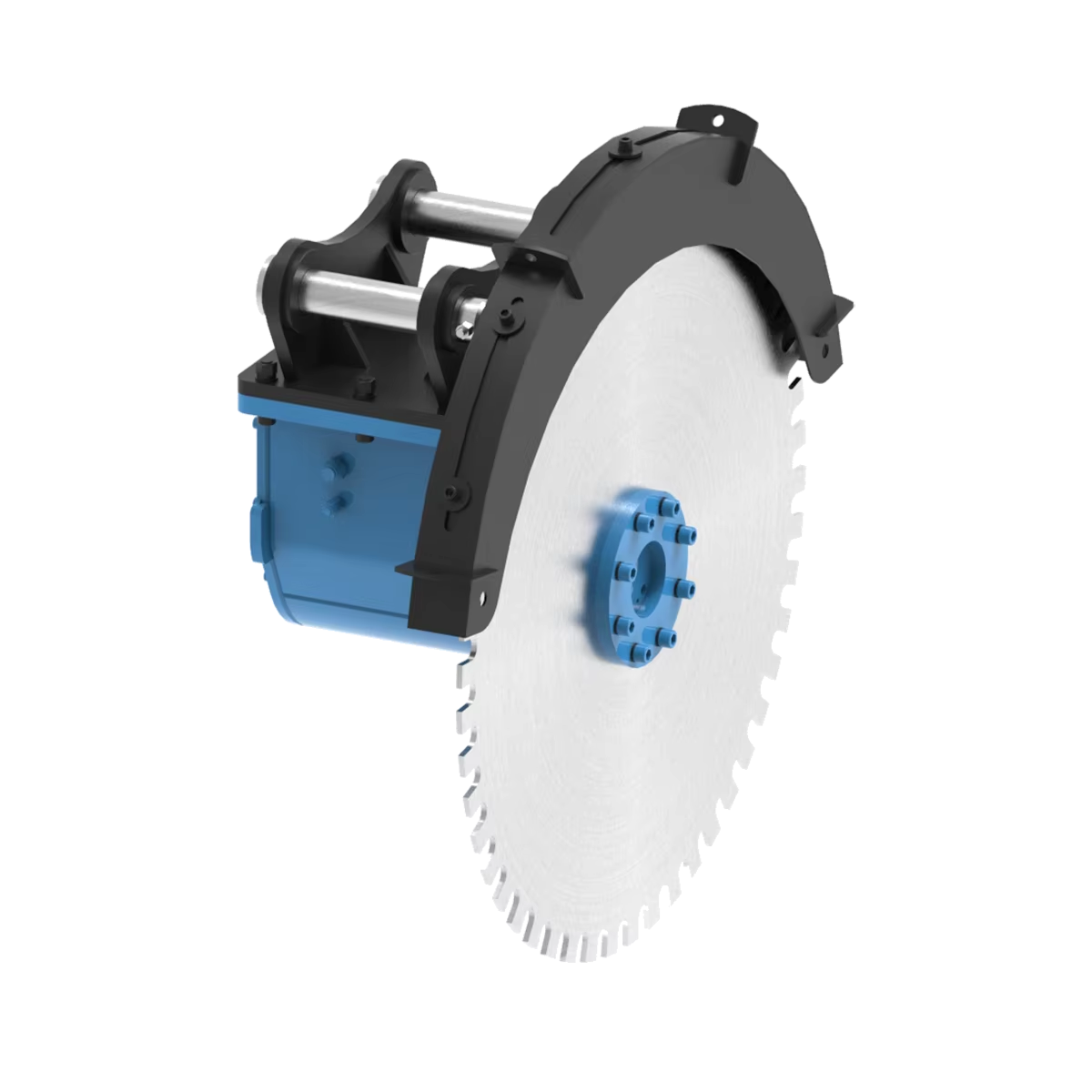
Understanding Precision Cutting Requirements in Hard Rock Applications Precision cutting in hard rock environments demands specialized approaches. Unconfined Compressive Strength (UCS) measurements directly determine tool feasibility—granite ...
VIEW MORE
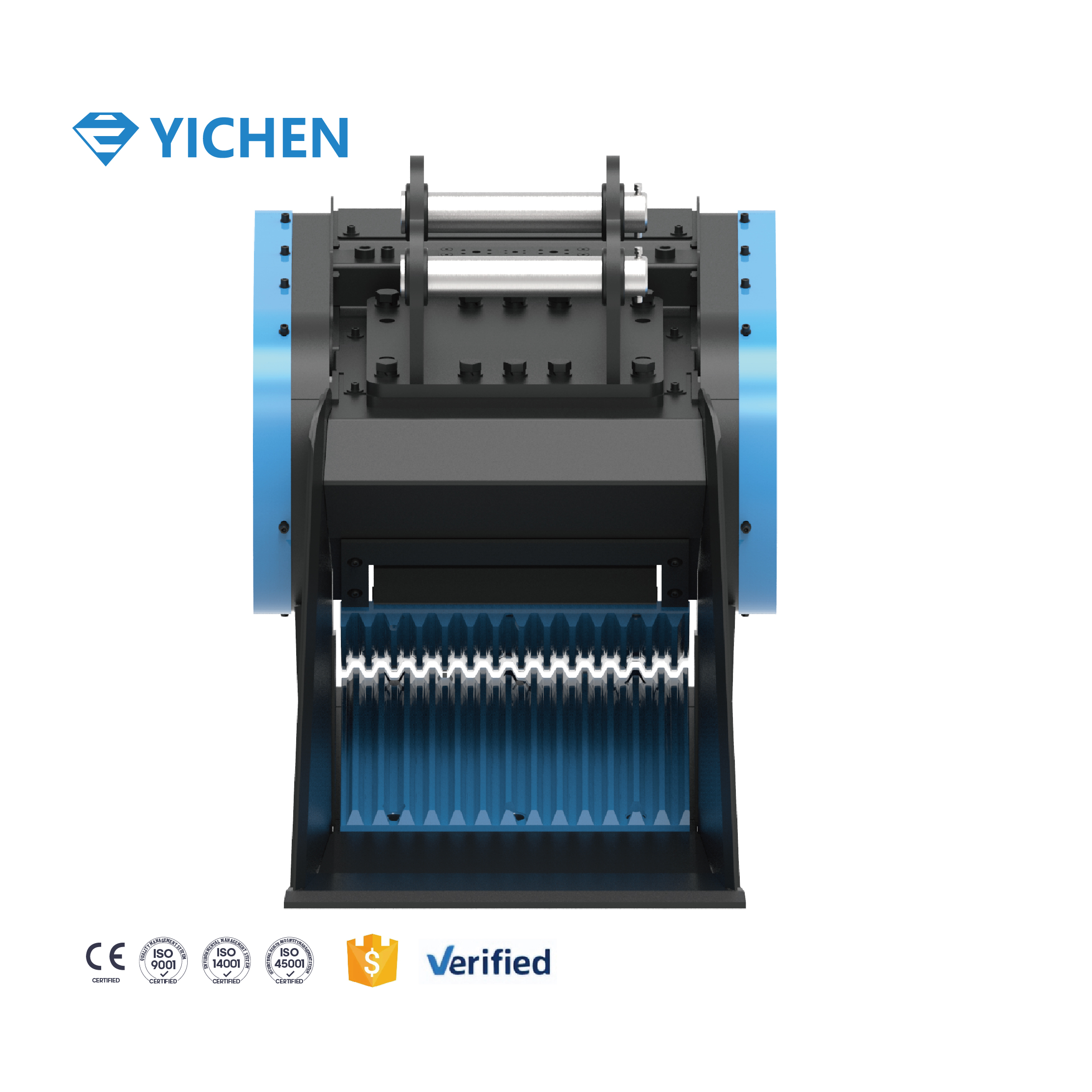
What Is Crusher Bucket Closed-Loop Material Recycling? Real-time on-site crushing: Turning demolition debris into specification-ready aggregate Crusher buckets for closed loop material recycling turn demolition waste like concrete, asphalt, rubble ...
VIEW MORE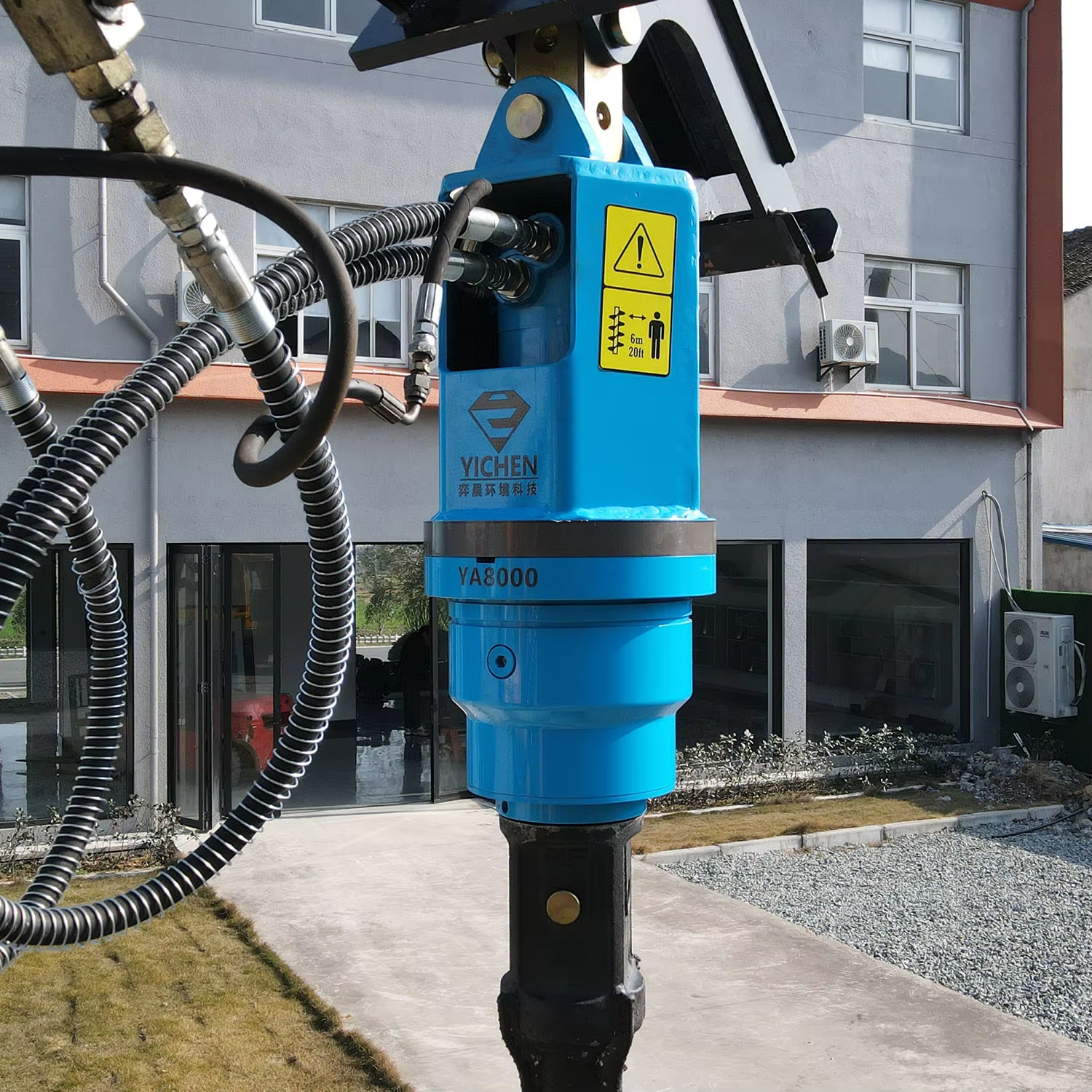
The Hard Ground Reality: Why Soil Resistance Invalidates Diameter-First Sizing How compacted, frozen, and rocky strata shift performance bottlenecks from geometry to force In challenging drilling environments, soil composition fundamentally alters ...
VIEW MORE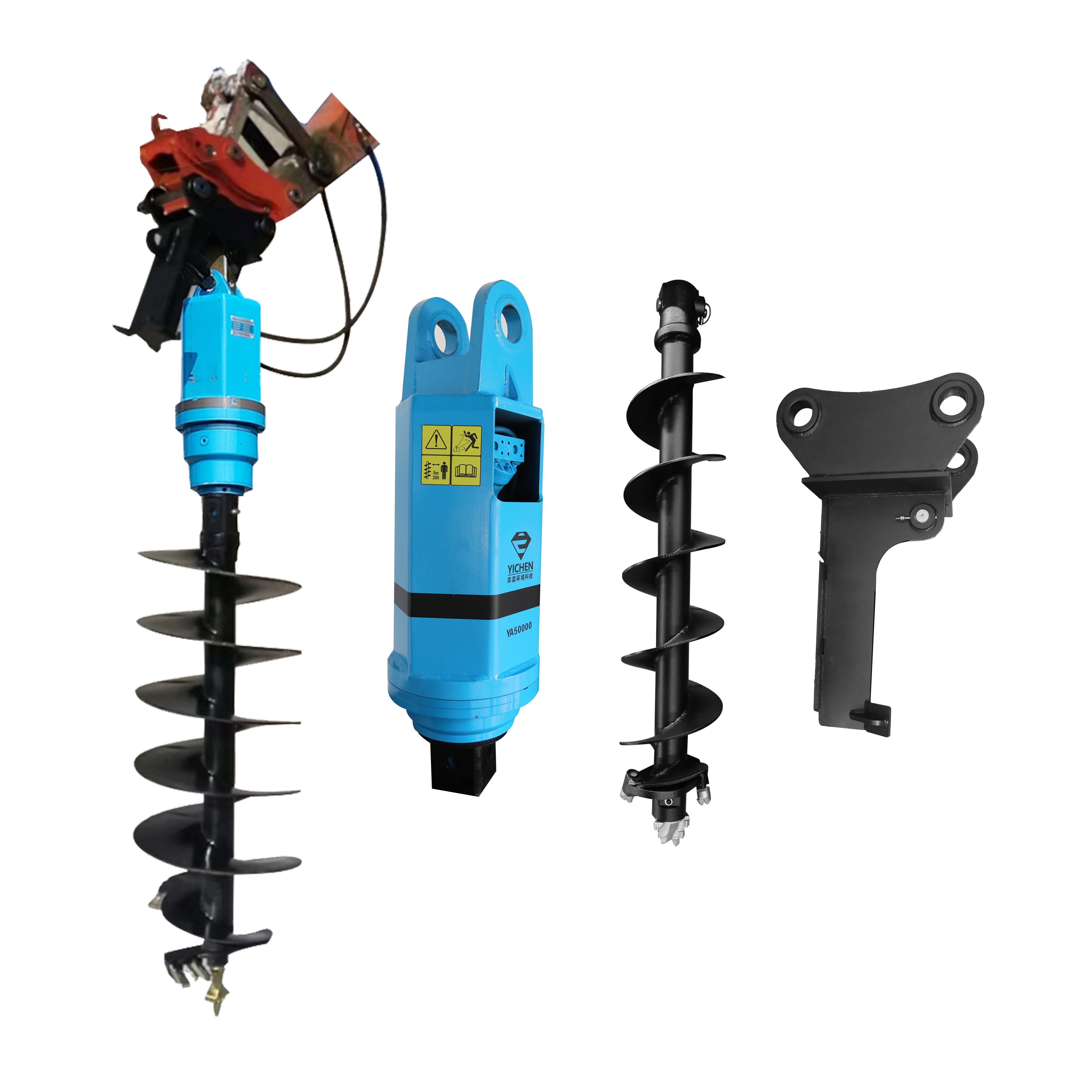
Why Excavator Auger Drilling Accuracy Matters in Foundation Projects Foundation integrity hinges on excavator auger drilling accuracy—minor deviations can compromise structural load distribution and trigger costly rework. Precise borehole pla...
VIEW MORE
How Three-Blade Rock Saws Achieve Superior High-Output Performance Simultaneous Multi-Zone Cutting Reduces Pass Count by Up to 60% Rock saws with three blades cut three parallel grooves at once, making them really efficient for the job. Instead of ...
VIEW MORE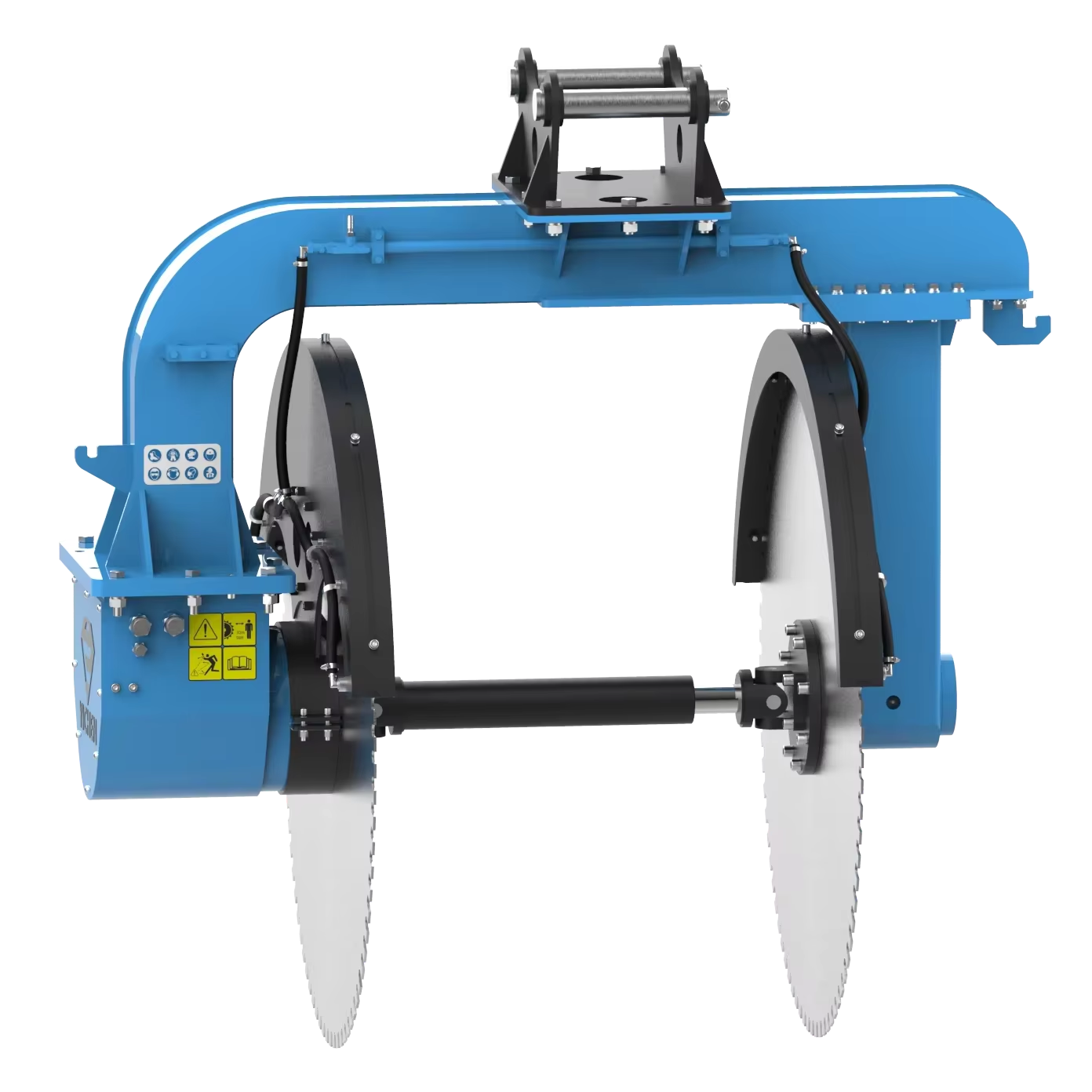
Precision Performance: How Rock Saws Deliver Controlled Cuts in Hard Materials Line Accuracy and Minimal Overbreak: Why Rock Saws Excel in Dimensional Integrity Rock saws can cut through tough materials with about ±2mm accuracy, which matter...
VIEW MORE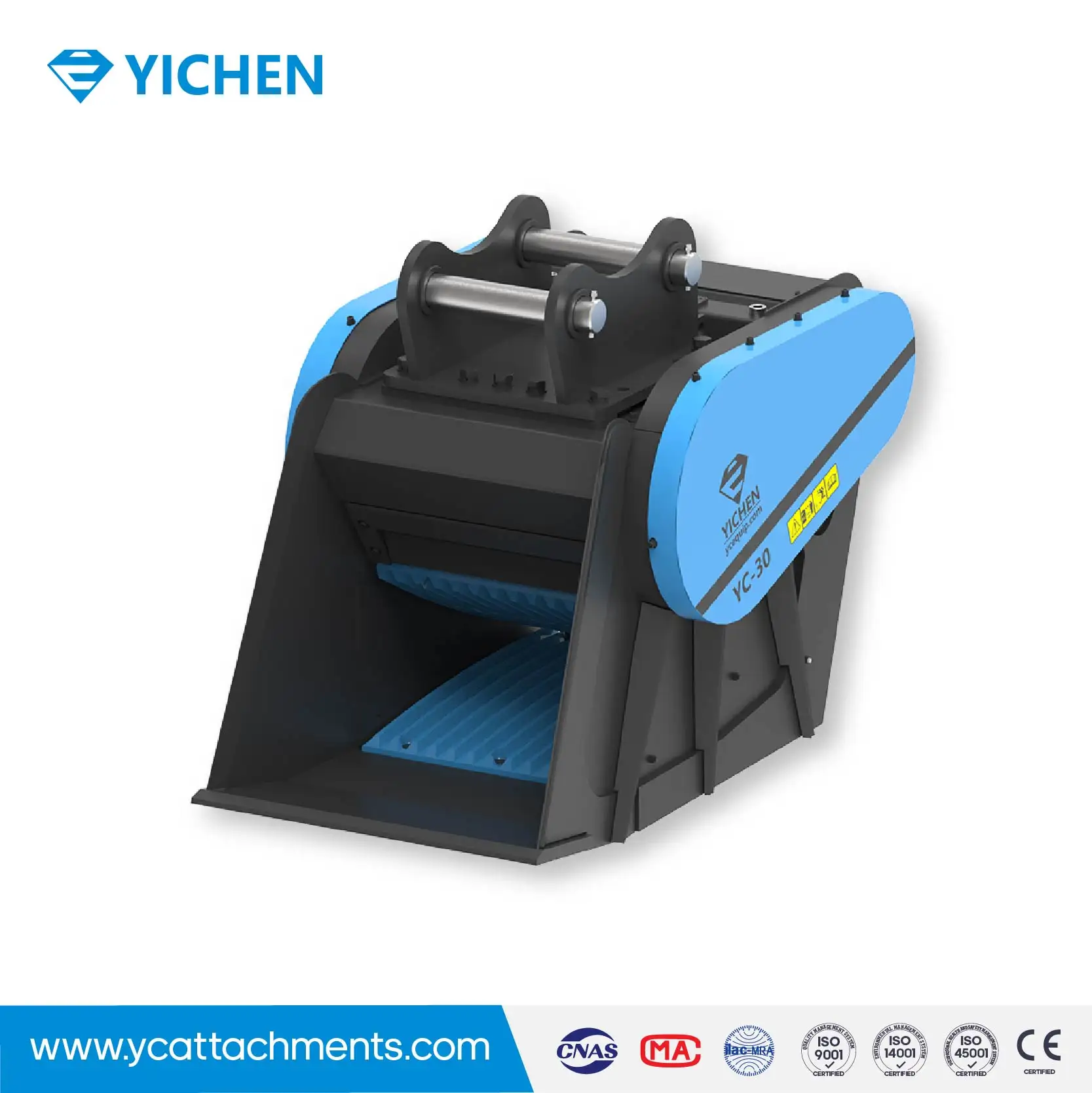
Crusher Buckets: The On-Site Engine for Closed-Loop Recycling Hydraulic Integration with Excavators for Mobile, Low-Footprint Crushing Crusher buckets turn regular excavators into portable processing machines simply by connecting to the main hydrau...
VIEW MORE
The Hard Ground Challenge: When Soil Resistance Overrides Dimensional Logic About Excavator Auger UCS thresholds and torque inflection points: Why penetration fails above 8 MPa despite larger diameters Soil unconfined compressive strength (UCS) pla...
VIEW MORE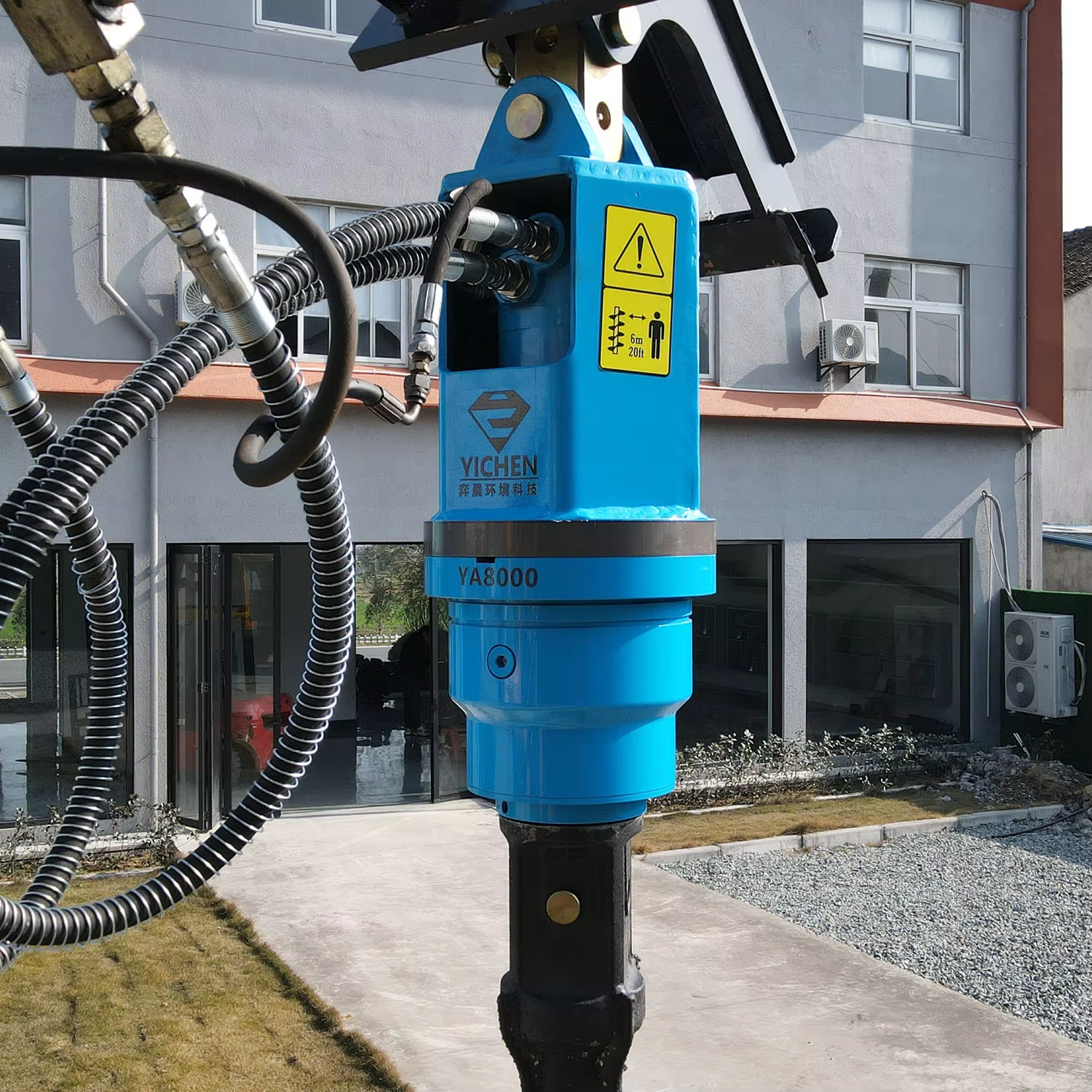
Why Drilling Accuracy Matters: The Cost of Deviation in Foundation and Utility Work About Excavator Augers The structural soundness of foundations and utility installations really depends on how accurately we drill those holes. When there are even ...
VIEW MORE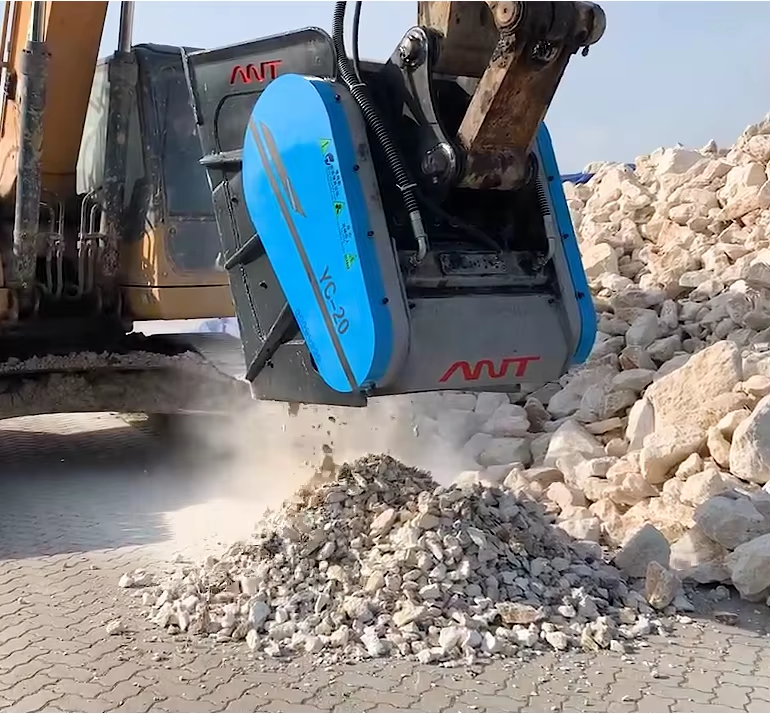
Demolition Efficiency: On-Site Crushing of Reinforced Concrete Eliminating Haul-Off Costs with On-Site Recycling of Concrete and Asphalt According to the Ponemon Institute from last year, traditional demolition jobs end up costing around $740k ever...
VIEW MORE EN
EN